Sometimes, Netflix can act as a refuge, a way to turn off the noise and dive into true crime docuseries, semi-scripted shows about real estate, or the latest binge-worthy series.
But other times, a film like “Everybody Loves Me When I’m Dead” comes along and gets viewers discussing the society it portrays and the multi-layered intricacies of modern Thai culture.
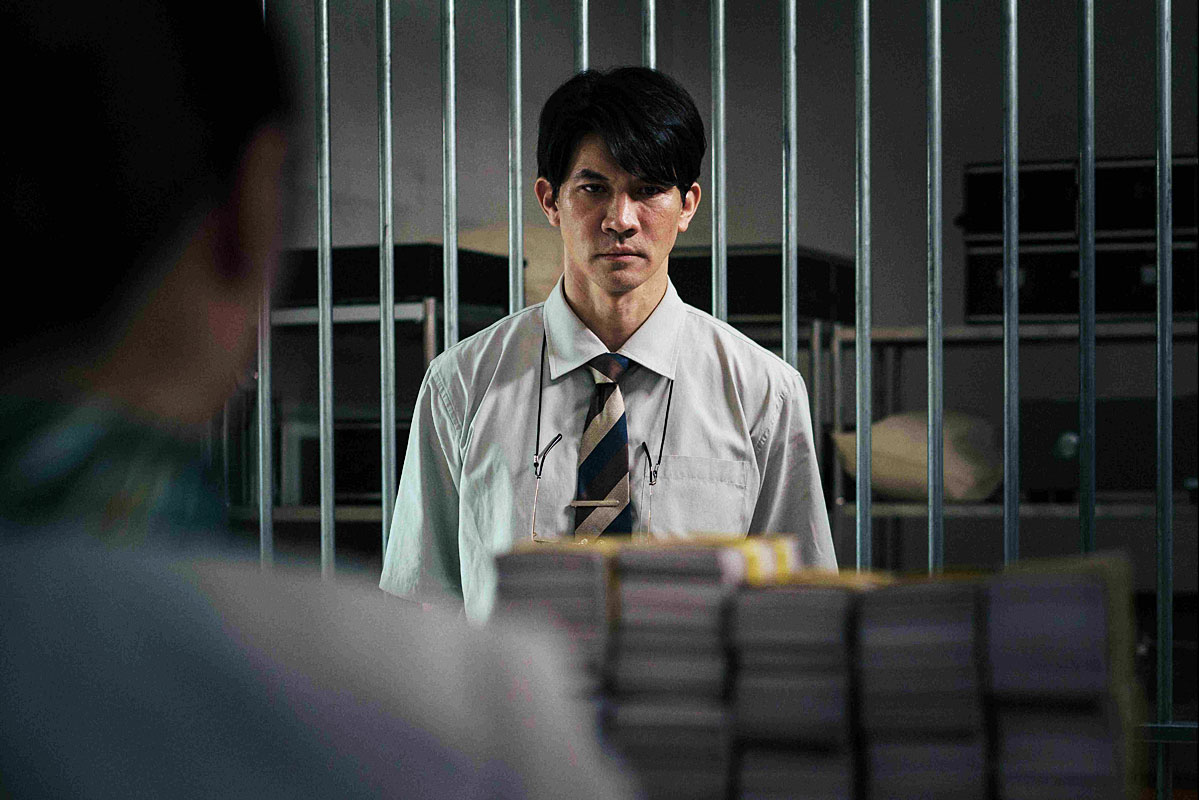
The film generated buzz for being Theeradej “Ken” Wongpuapun’s return to the screen after six years. An industry veteran and a heartthrob for the GenX generation, Ken plays the protagonist you almost root for, even when he’s bumbling through financial fraud and tripping over mafias in an accidental warehouse shootout.
The movie is a not-so-subtle look at contemporary Thai society, one in which parents strive to send their offspring to international schools at any cost. This is the basis of the entire film, but then it turns into a fast-paced cat-and-mouse chase between the protagonist, some gangsters and a mobster – and ultimately, no one gets what they want. We’re not going to review or spoil the plot for those who haven’t watched the film on Netflix, but the motivation behind the protagonist’s actions is made clear; he’s a striving father who’s under a lot of pressure to “buy” his daughter’s academic future, a realistic reflection of modern Thai society and in particular, a reflection of the middle class who are caught between choosing two lanes – sending Thai kids to Thai school or International School, for which tuition fees range from 300,000 to 1 million baht per year.
This part dominates online discourse. There’s been a sudden uptick in discussions about values, and sending kids to international school is now dominating all kinds of discussion mediums. In Thai, there’s a phrase that is often used: a direct translation is “buying a society for your child”, or investing in their future —whether it’s school, extracurricular activities, or essentially spending to ensure their development.
Even at the expense of lives, as the film’s protagonist would soon find out.
No parent wants their child to go without, but in Thailand, where social media behavior runs rampant and competitiveness runs high across all areas —from grades to lifestyle —this can take a toll on modern families. We can see how this film strikes all the right notes because the online commentary is mainly focused on how real the struggle feels, more than on in-depth discussions of the plot or cinematography.
The rise of international schools reflects just how flawed the Thai education system is. Granted, there are a handful of high-quality Thai schools with dedicated teachers, and kids grow up to thrive, but more parents are looking to other curricula to encourage creative and critical thinking, while some feel the pressure to keep up.
These shows often act as very on-the-nose social commentary, a reflection of what’s going on in reality. “Everybody Loves Me When I’m Dead” is no different, a realistic but darker look at modern parenting and fatherhood.
Throughout the film, you can see snapshots of what it’s like to grow up in a high-pressure household where the parents’ primary focus is to deliver a high-quality life for their daughter. Still, instead of focusing on high-quality family time and making memories, the aspirational mother is making her 6-year-old run on a treadmill after dinner, dictating her playtime and putting high pressure on a designer education without the child really knowing what’s going on.
This is what happens when you raise a family according to your own expectations, and stress so much about it that you forgo happiness altogether.
International schools in Thailand have been around for decades, but saw significant uptick in demand over the past few years, fuelled by the rise of the middle class who are opting for global education for their offspring. Still, the real moral of the story here is that some people are striving too far beyond their reach, at the expense of their own bank accounts, income and sanity.
It shouldn’t have to be that way.
In the era of Tiger Mom parenting, modern mothers feel the pressure of doing it all: the school run, the extra activities, and the career. It leads us to think about how “opportunity” is now packaged in a glossy 10 million-plus-baht package, available only to those who have the means to spend. Even those who make it to the top will strive to compete.
Amid all the talk about aspirations and a wider look into Thai society, it’s worth remembering to look inwards and ask yourself the key questions: what’s best for our family and what’s most suitable for me?