
The government has stepped up its campaign against scam networks, setting up two committees to intensify enforcement.
The first is the committee on the prevention and suppression of technology-related crimes, chaired by the prime minister himself. The second is the Finance Ministry’s “Connect the Dots” team, which coordinates with multiple agencies to trace money flows and pursue cross-border scam syndicates.
Prime Minister Anutin Charnvirakul, who also serves as interior minister, also presided over the signing of a memorandum of understanding on cooperation to combat technology-related crimes. Fifteen state agencies joined the agreement, which commits them to share information and report joint progress.
While authorities insist they are cracking down harder than ever, the opposition People’s Party (PP) argues the government’s efforts are deemed superficial and problems show little sign of easing.
The Bangkok Post spoke to the government spokesman and political analysts to see if the issue is being driven by political pressure ahead of the general election or reflects a genuine attempt to dismantle entrenched scam networks.
Govt defends its record
Government spokesman Siripong Angkasakulkiat said the scam issue has now become heavily politicised, with opposition figures trying to link the problem to networks allegedly connected to Agriculture Minister Capt Thamanat Prompow, chief adviser of the Klatham Party.
He said state agencies have already seized more than 30 billion baht from scam operations, yet critics have already made up their minds and continue to insist the government is only catching small players.
Police nationwide have been ordered to prioritise scam cases after the government declared the issue a top priority, he said, adding there are around 7,000 cases. “But critics say there is no progress, which is not true. It has become politicised,” he said.
Mr Siripong said the accusation will linger unless authorities arrest the major financiers and admitted there is insufficient evidence to implicate those figures repeatedly named by the opposition, leaving the government “trapped.”
Shady networks and their financiers such as the Prince Group and foreign businessman Benjamin Mauerberger, also known as Ben Smith, have been accused by opposition politicians of being behind the operations.
Mr Siripong said the Bhumjaithai Party maintains a strict internal rule of “no grey money,” when asked about criticism that grey businesses exert influence over the government.
Scam crimes remain a serious threat that affects the public directly, but political attacks overshadow the actual progress made by law enforcement, he said.
“If we can’t get to the figures they claim are linked to the networks, we will continue to be attacked until a House dissolution. But we believe we have recovered more losses than the government two years ago. Compensation to victims will begin by the end of the year,” he said.
Asked whether a planned no-confidence debate would be a fair test of the government’s performance on combating scams, he said the outcome would depend more on political alliances. He said Pheu Thai would avoid harshly attacking Capt Thamanat while the PP would target him, making the debate a war of words between the two parties rather than a scrutiny of the government’s anti-scam efforts.
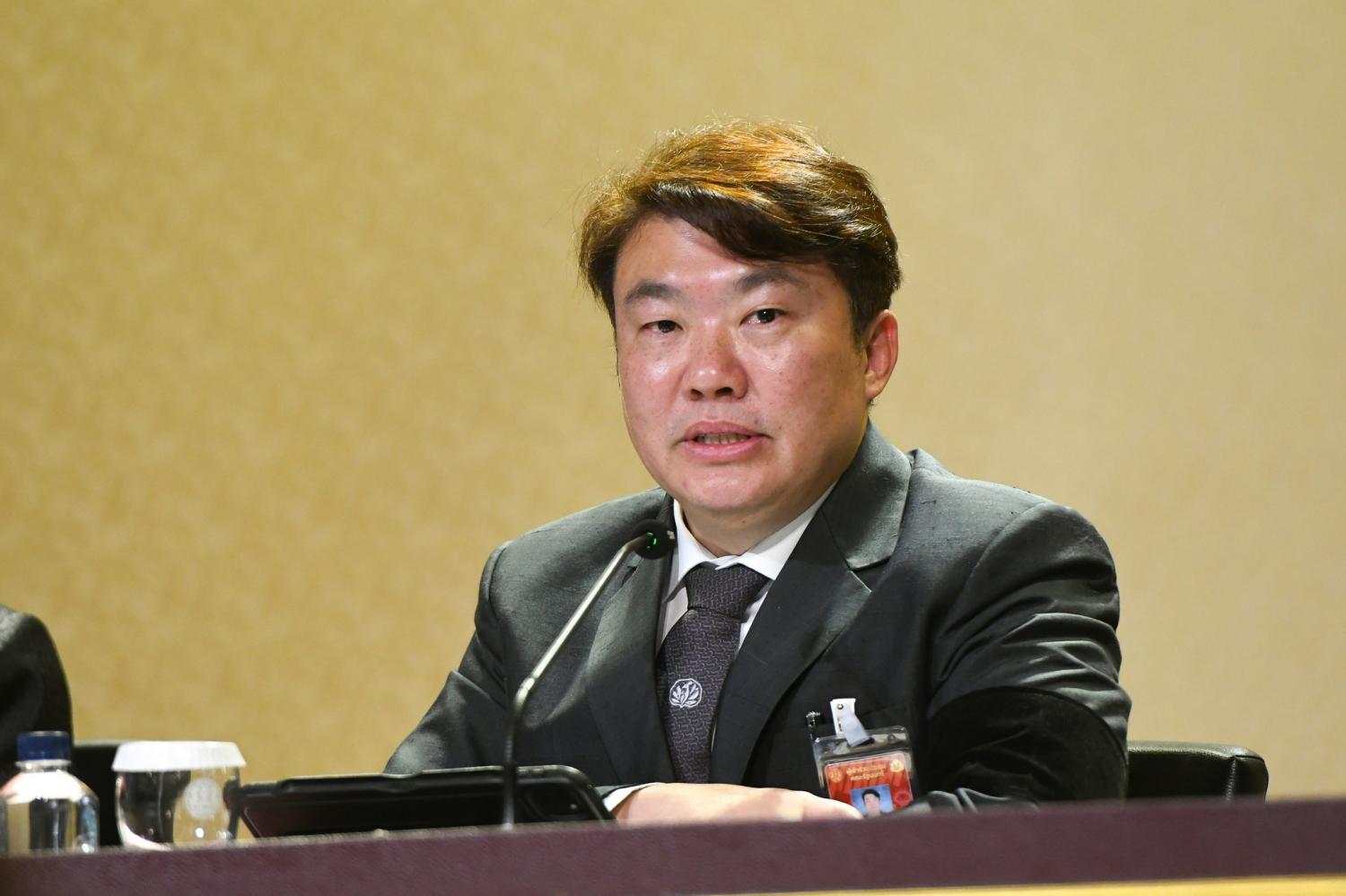
Siripong: Issue now heavily politicised
Structural problems
Olarn Thinbangtieo, a political scientist at Burapha University, said scam networks were a structural problem, and the intense efforts underway do not address the deeper causes of the scam industry.
He said scam networks have grown for years using cross-border money laundering, investments and influential figures. They are tied to the country’s economic, political and social systems, so to solve this problem, the structure must be dismantled, he said.
He said previous governments fixed small parts instead of dismantling the network possibly because scam operations are linked with business figures and politicians. He is sceptical the government can break the cycle because the efforts will affect business groups, state officials and political elites. “It’s like hurting your own body. No government has been able to do it,” he said.
Mr Olarn also criticised the PP for not pushing enough with its scrutiny, saying it only focuses on political point-scoring and keeping the momentum going ahead of the elections rather than exposing full networks.
He said Thailand has effectively become a centre of scam operations because the problem is embedded in the system and the government itself is one of the elements that make real reforms difficult. As with narcotic problems, authorities may catch only small operators while being unable to reach the masterminds, said Mr Olarn.
He added that if the Bhumjaithai Party were to expel Klatham, which is under attack for alleged links with scam networks, it could gain political credit and win more public support.
“Even so, it would still be a political fix rather than a structural solution,” he said.
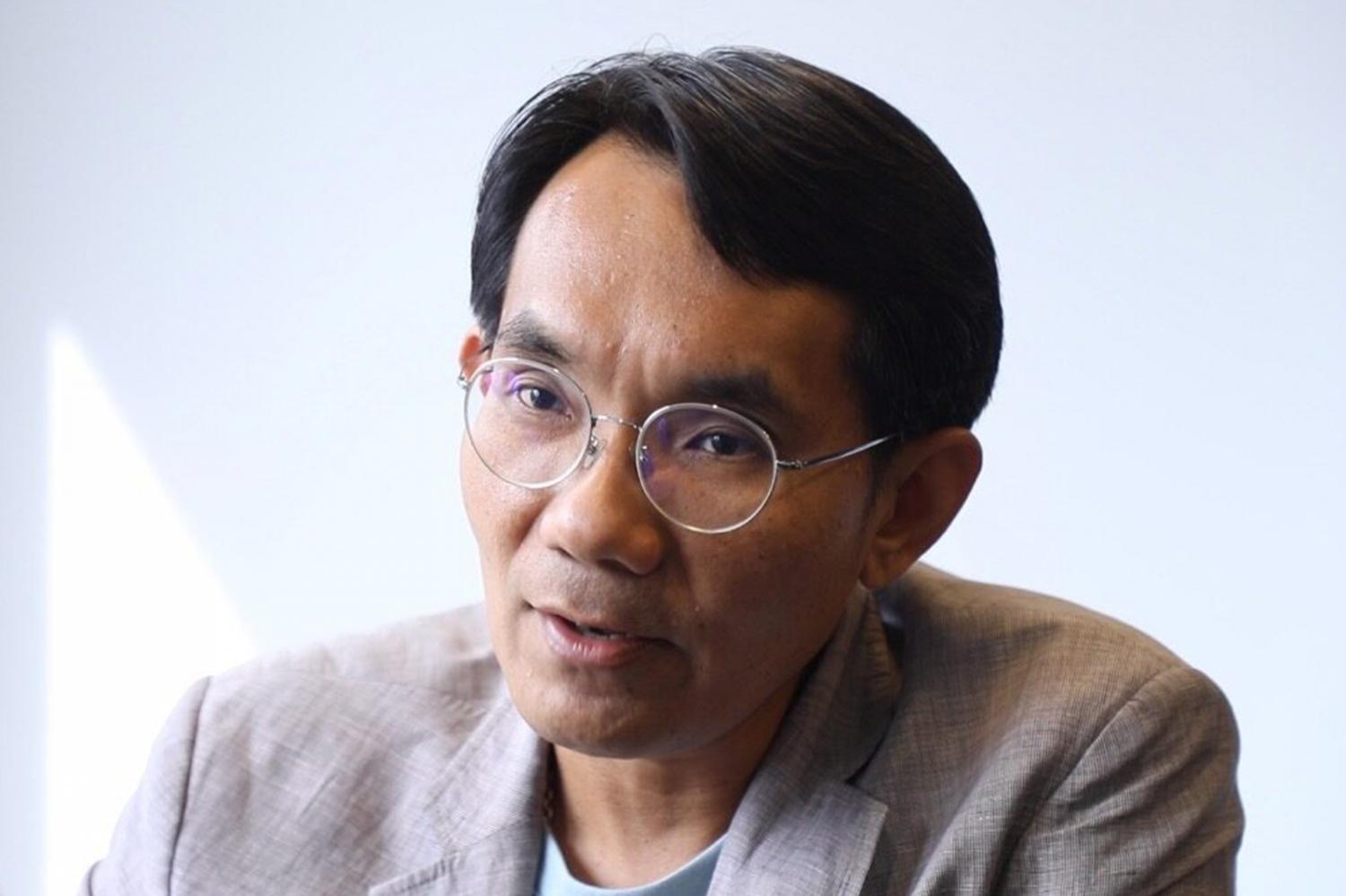
Olarn: Scam networks a structural problem
Global cooperation needed
Stithorn Thananithichot, a political analyst at Chulalongkorn University, said scam networks have become a global problem and no country can tackle them alone. Still, he said the Thai government must show clearer action and decisive enforcement. He said the public needs to see real results including asset seizures from major operators and prosecutions of those who provide cover for the networks.
“It can’t just make daily announcements about arrests which involve small players. Authorities must do something clear, and it must involve bigger targets. Even if all agencies say they are fully cooperating, the question remains is what comes next?” he said.
He added the scam issue has become too politicised with critics believing that politicians, police and civil servants now part of the problem. Mr Stithorn said the scam economy is linked to parts of the formal economy through money laundering that turns grey income into legitimate-looking investments. Thailand can only achieve real progress through international cooperation, as scammers operate from multiple countries.
Asked whether raising the scam issue will help opposition parties, he said the PP stands to benefit the most.
“After backing Bhumjaithai to form the government, their voter base was unhappy. Their strong stance against grey money helps rebuild support,” he said.
He said a planned no-confidence debate will likely target individual ministers rather than the prime minister. The PP is expected to avoid attacking him directly because the party wants to keep to the terms of its memorandum of agreement ahead of the election while saving the strongest attacks for the election campaign, said Mr Stithorn.

Stithorn: Has become a global concern