
In the eastern heartland of China lies Jiangsu Province — a region that captivates not only with its classical gardens, canals, and ancient towns, but also with a culinary heritage as refined as its culture. Jiangsu is home to thirteen cities, each boasting its own distinctive local delicacies that reveal the soul of the place. From the rich duck dishes of Nanjing to the delicate sweetness of Suzhou and the world-famous Yangzhou cuisine, this province invites travellers to savour its stories — one bite at a time.
Nanjing: A City of Ducks and Deep Flavors
As the capital of Jiangsu, Nanjing has been a crossroads of cultures and cuisines for centuries. Here, food is not just nourishment; it’s a reflection of the city’s long history and its people’s enduring love for hearty, comforting flavours.
A local saying captures it best: “No duck can fly out of Nanjing alive.” For over a thousand years, duck has reigned as the city’s culinary symbol. Whether simmered, roasted, or braised, it appears on almost every local menu — and in countless variations.
Among the must-tries is the famous Nanjing Salted Duck, tender and subtly spiced with a lingering fragrance that pairs perfectly with steamed rice. Another favourite is Nanjing Roast Duck, crisp on the outside and juicy within, often compared to its Beijing cousin but loved for its distinct regional twist. For a warming street-side experience, locals swear by a bowl of Duck Blood and Vermicelli Soup — a savoury broth filled with translucent rice noodles, duck offal, and cubes of congealed duck blood that somehow tastes far better than it sounds.
But Nanjing’s flavours don’t stop with ducks. At traditional eateries such as Nanjing Impressions or around the bustling Fujimiao (also known as Confucius Temple) area, you’ll find a mouthwatering array of small bites and desserts that speak of the city’s comfort food culture. Try the Beef Potstickers with their golden, crispy bottoms; the flower-shaped Plum Blossom Cake; or the Glutinous Rice Balls in Fermented Red Bean Wine — a sweet, fragrant dessert often enjoyed warm. And don’t leave without sampling Sweet Lotus Root with Sticky Rice, a glossy treat that embodies the elegance of Jiangsu desserts.
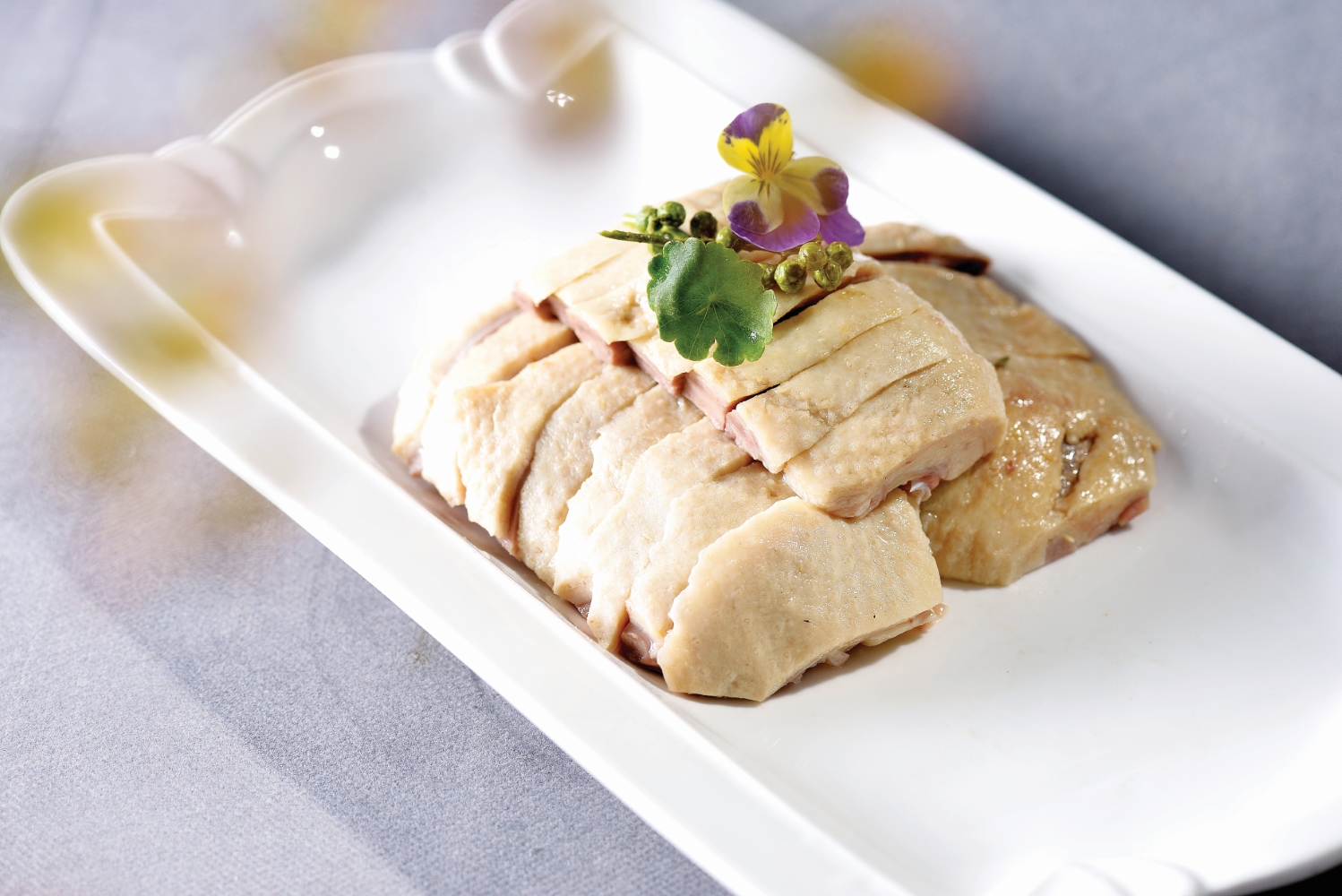
Salted duck with a subtle fragrance of osmanthus — best enjoyed in autumn.
Suzhou: The Poetry of Sweetness
If Nanjing’s cuisine is robust and bold, Suzhou, located at the heart of the Yangtze River Delta and the Taihu Plain, represents refinement and balance. Known since ancient times for its mastery of fish dishes, Suzhou cuisine celebrates subtlety — where sweetness enhances rather than overwhelms, and every ingredient is treated with delicate respect.
The city’s culinary crown jewel is Sweet and Sour Mandarin Fish (also known as Squirrel Fish), a dish as beautiful as it is delicious. The fish is expertly cut to resemble a squirrel’s tail, deep-fried to golden perfection, then topped with a tangy, sweet sauce that sizzles when poured over. Another Suzhou favourite is Eel in Hot Oil Sauce, rich and savoury with a satisfying fragrance, followed closely by Cangshu Mutton — a local speciality that warms the body during the chilly months.
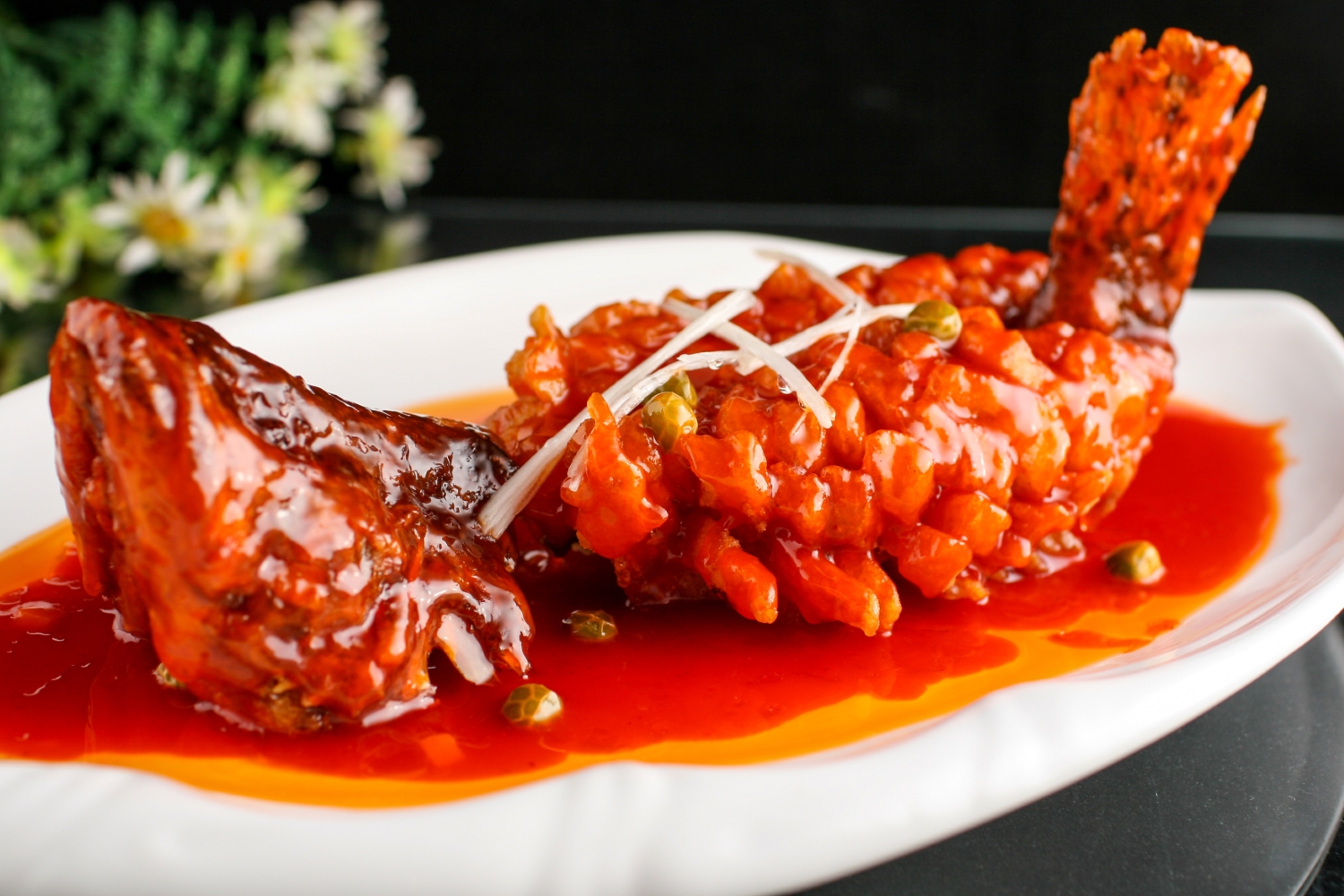
Sweet and Sour Mandarin Fish, renowned for its intricate knife work.
When autumn comes, the city celebrates the arrival of Yangcheng Lake Hairy Crab, a seasonal delicacy prized across China for its golden roe and creamy texture. For those who prefer lighter bites, Suzhou’s dim sum selection is unparalleled: Crab Roe Soup Dumplings that burst with rich broth; Pan-Fried Buns with juicy pork filling; and Sweet Fermented Rice Cakes that carry the aroma of rice wine.
Don’t miss the charming Green Glutinous Rice Balls (also known as Qingtuan) during spring or the Three Whites of Taihu Lake — whitefish, white shrimp, and silver fish (or whitebait) — which showcase the lake’s bounty.
Suzhou’s food, much like its classical gardens, values harmony and precision. Every dish reflects the city’s pursuit of aesthetic perfection — from the choice of ingredients to the artful plating. For travellers, Guanqian Street is the perfect place to explore this culinary world, where traditional teahouses and modern eateries blend seamlessly to serve both nostalgia and innovation.
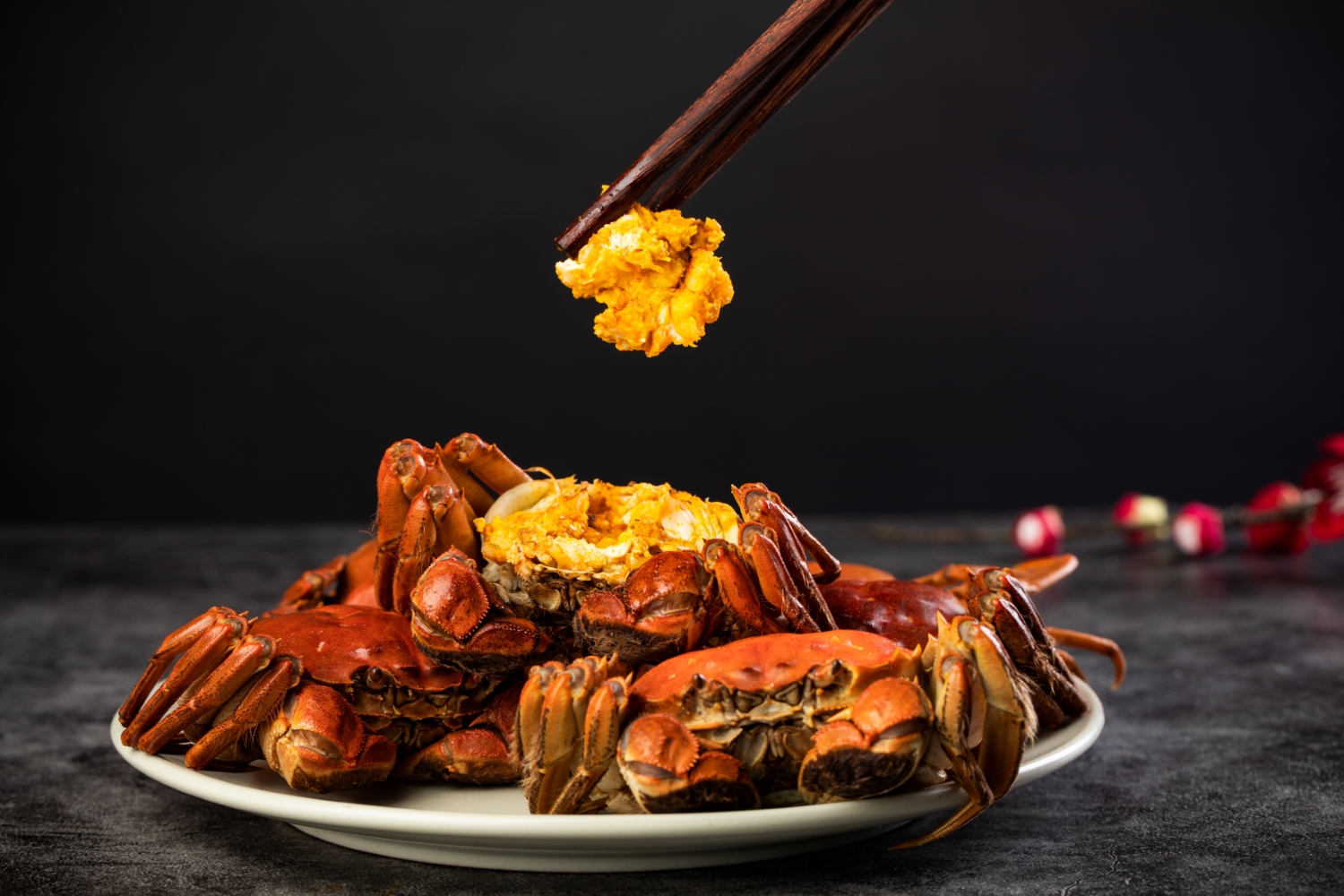
Yangcheng Lake Hairy Crab — a seasonal delicacy available only in autumn.
Yangzhou: The World’s Capital of Cuisine
In 2019, Yangzhou earned the title of “City of Gastronomy” from UNESCO — a well-deserved recognition for a place where culinary craftsmanship has flourished for centuries. If there’s one dish that has made Yangzhou famous across the globe, it’s undoubtedly Yangzhou Fried Rice.
Simple as it may seem, true Yangzhou fried rice is an art form. The premium long-grain rice is stir-fried with shrimp, diced chicken, ham, egg, sea cucumber, scallops, fresh bamboo shoots, and a touch of green peas — each grain perfectly separated, glistening, and full of aroma. It’s the kind of dish that has travelled far beyond China; wherever there’s a Chinese restaurant in the world, “Yangzhou Fried Rice” almost certainly appears on the menu.
But Yangzhou’s food story goes far deeper. The city’s rich culinary tradition includes sophisticated dishes such as Steamed Pork Meatballs (or Lion’s Head Meatball) with Crab Roe — tender “lion’s head” meatballs served in clear broth — and Shredded Tofu in Broth (Wensi Tofu), a masterpiece of knife skills where tofu is sliced into countless hair-thin strands floating like silk threads in soup.
No visit to Yangzhou would be complete without experiencing its morning tea culture, a cherished ritual that rivals Cantonese dim sum in variety and finesse. Locals call it “Yangzhou Morning Tea”, but it’s more like a leisurely feast. Must-tries include the Three-Diced Buns stuffed with pork, shrimp, and bamboo shoots; Jade Shaomai (Feicui Shaomai) wrapped in translucent green skins; Crab Roe Soup Dumplings ; and the signature Shrimp Roe Noodle Soup.
For many, sipping tea and sampling these delicate snacks in a traditional teahouse is as essential to understanding Yangzhou as visiting its gardens and canals. After all, in this city, dining is an art — and breakfast is where it all begins.
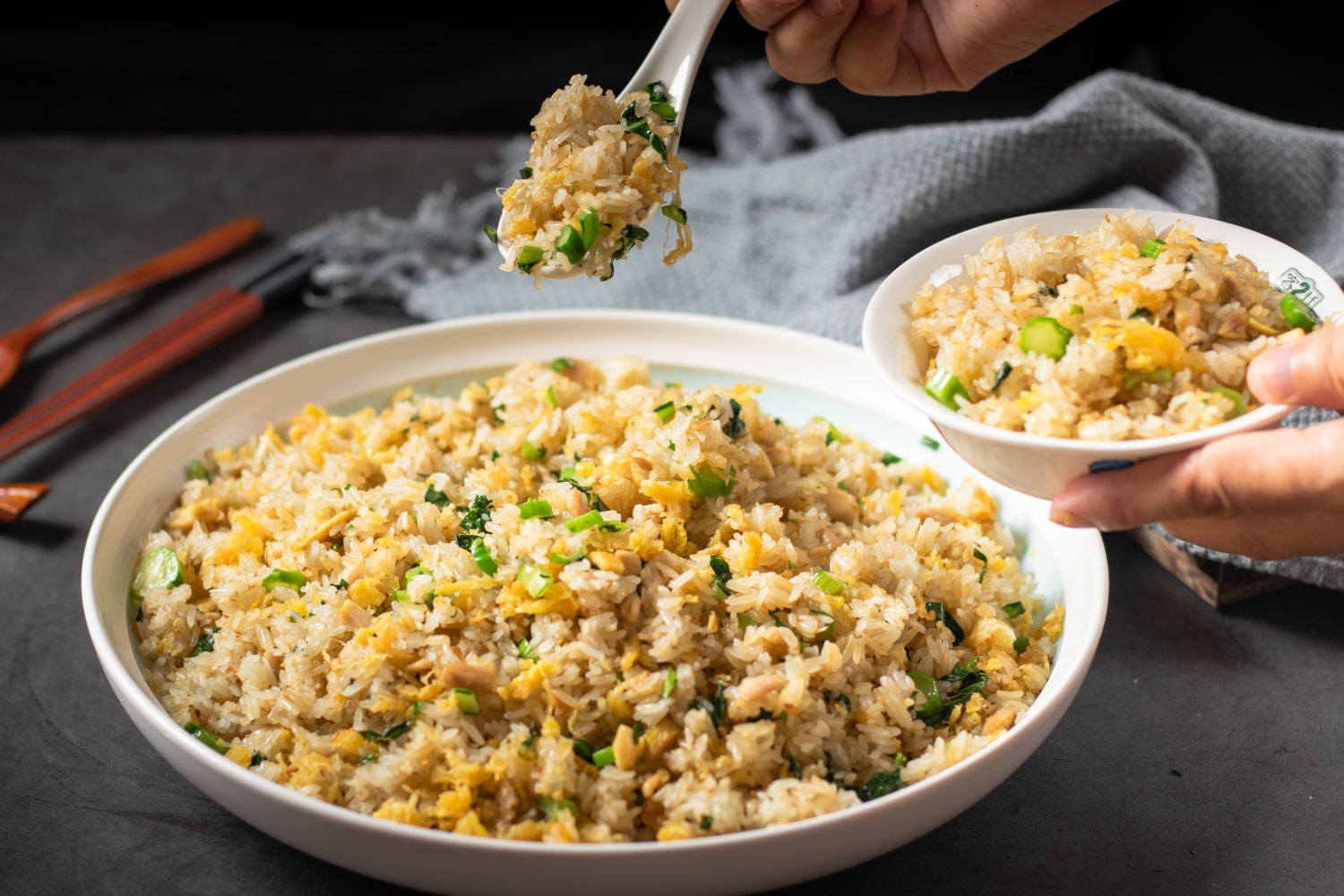
World-famous Yangzhou Fried Rice.
A Taste of Jiangsu’s Soul
Across Nanjing, Suzhou, and Yangzhou, Jiangsu’s cuisine tells a story of refinement, seasonality, and balance. It’s a cuisine that values texture and presentation as much as taste — where the goal is not intensity, but harmony.
From the savoury aroma of Nanjing’s duck dishes to the poetic sweetness of Suzhou’s seasonal fare and the world-renowned elegance of Yangzhou’s banquets, Jiangsu offers travellers a journey that lingers far beyond the plate.
In every city, a different flavour awaits — a reminder that food, like history and art, can be the most delicious way to remember a place.