The pandemic served as a catalyst for tourism operators to re-evaluate their sustainability strategies and implement new initiatives aimed at preserving natural resources and attractions, many of which showed signs of recovery due to periods of reduced tourist activity.
According to the UN Tourism Organization, the circular economy model has emerged as a key approach for the tourism sector in its drive to minimise environmental impacts.
This model fosters a more inclusive supply chain and reshapes how operators extend the lifecycle of materials and products through better circular use.
In Thailand, tourism operators are embracing greener and more inclusive procurement practices to align with the growing trend of responsible travel.
Travellers are increasingly aware of the environmental and social impacts of the journeys they make, prompting businesses to adapt.
GREENER PROCUREMENT
According to a report by CE360 Alliance, the travel and tourism sector has an important role in the circular economy transition because it is linked with resources and assets in the supply chain, such as food, the built environment and transport.
For asset-heavy businesses such as hotels, the report advised using green procurement to enable circularity in the upstream supply chain by sourcing goods that are produced to be reused, remanufactured or recycled.
At the eighth edition of the Phuket Hotels for Islands Sustaining Tourism conference in September this year, more than 1,300 people gathered for discussions concerning sustainable development, including the importance of circularity and green procurement.
Peter Norman, a hotel procurement specialist at LINK Worldwide, said many tourism operators worldwide still purchase the cheapest products, not the most sustainable.
“A procurement person in a hotel chain, and even procurement agents and companies, aren’t empowered to procure correctly,” said Mr Norman.
He said it is crucial for hotel owners and top executives to have the knowledge and awareness to educate and instruct their employees to drive greener procurement and operations.
Saharat Jivavisitnont, an advisor to the Phuket Hotels Association, said circularity offers a sustainable framework for hotels to consider their procurement and operational planning, which involves stakeholders from upstream such as food suppliers, as well as downstream guests and the local community.
He said the key theme for green procurement at hotels is localisation, such as buying products directly from local producers without using a middleman or imports.
Some hotels purchase organic eggs directly from farmers in Phuket, while many restaurants offer mineral water produced domestically, which helps cut carbon emissions due to the shorter supply chain, and can support the local economy.
When a new hotel is developed, low-carbon and locally produced materials need to be procured for the building, including furniture and decorations, said Mr Saharat.
Hotels should also develop more green spaces on site to improve guest well-being, provide shade and absorb carbon, he said.
Finally, in terms of downstream, surplus food and outdated equipment can be donated to local communities, or recycled and repurposed to minimise waste.
Hotels should also ensure fair employment, offering a good workplace for staff members by providing a good environment as well as fair pay and benefits, said Mr Saharat.
LOCAL SUPPLIERS
The suppliers to hotels and tourism businesses include Phuket-based firms offering souvenirs, clothing and furniture, such as Yayee, which is best known for selling contemporary Peranakan fashion and batik garments.
Chief executive Phongpiwich Thuatraiphop, who also serves on the executive committee of the Phuket Tourist Association, said demand for sustainable local products among hotels and tourism operators benefits local brands such as Yayee.
The company has been operating for nine years after evolving from a souvenir shop selling craft products to foreign tourists in Phuket, which was established by Mr Phongpiwich’s late mother.
He said the brand utilises an environmental, social and governance (ESG) framework. The fashion industry often produces leftover textiles and releases microplastics into the environment, so Yayee aims to minimise this waste as much as possible, said Mr Phongpiwich.
Yayee also organised training of residents of vulnerable communities in Phuket, such as older workers and prisoners, providing them with useful sewing skills.
The company hired them to produce items for the brand using leftover textile materials, ensuring they receive fair pay as they are regarded as skilled workers, he said.
Moreover, Yayee also calculates carbon credit during its manufacturing processes.
Roughly 30-40% of its customers are in the business-to-business sector, selling uniforms, craft products and decorations to Phuket hotel operators. Most of these hotels are categorised as independent hotels.
One of the brand’s notable souvenirs is a scented bag featuring a turtle design crafted from scraps of fabric. Some hotels choose to give the scented bags to their guests as a gift, said Mr Phongpiwich.
“Our products are popular with hotel guests and other tourists not only because they are useful and of a high standard, but also they tell a story that highlights local culture and values,” he said.
Yayee previously collaborated with the Tourism Authority of Thailand for a fashion show featuring its contemporary batik garments.
Commerce Minister Suphajee Suthumpun is one of the brand’s best-known clients.
ADDITIONAL INITIATIVES
Mr Norman said even though independent hotels are more passionate about adopting sustainability, many often lack relevant information about green suppliers and methods.
Big corporations have a responsibility to share this data and make it easily accessible to all stakeholders, he said.
Many companies adopt sustainable practices only when there is a clear financial benefit, such as eliminating single-use plastics or reducing the frequency of laundering towels and sheets to save on water usage, said Mr Norman.
However, significant gaps remain in other areas such as using locally sourced materials for construction, rather than allowing interior designers to specify timber sourced from rare foreign species of trees, he said.
In addition to all the timber used in hotels, linen is important for sustainability because it can be reused and recycled.
Linen can endure only 150 wash cycles, and is used in several areas of a hotel, such as for bedding. This linen can be repurposed into other products once it has reached the end of its life cycle, said Mr Norman.
Hotels are also renovating or replacing products more frequently than the traditional life cycle of 12-15 years in an effort to attract guests, which is not ideal for sustainability, he said.
PLATFORM NEEDED
Mr Saharat said there is no platform that serves as an intermediary to gather relevant information concerning local suppliers with green credentials in Phuket, which continues to pose a challenge for hotels, particularly independent operators.
Stakeholders and related industry associations only share information via seminars or by personal communication, he said.
However, Mr Saharat said he is optimistic more Thai hotels will engage in sustainability.
Banks and financial institutions are offering more loan products for green development, while the government offers tax incentives for operators to make their operations greener.
“Though investing in sustainable operations and procurement could cost 15-20% more, it is valuable to do so,” he said.
“The outcome not only appears as financial benefits, but also other social and environmental value that cannot be quantified.”
Phuket is encouraging its hotels to achieve at least one green certification, as the island is scheduled to host the Global Sustainable Tourism Council conference next year.
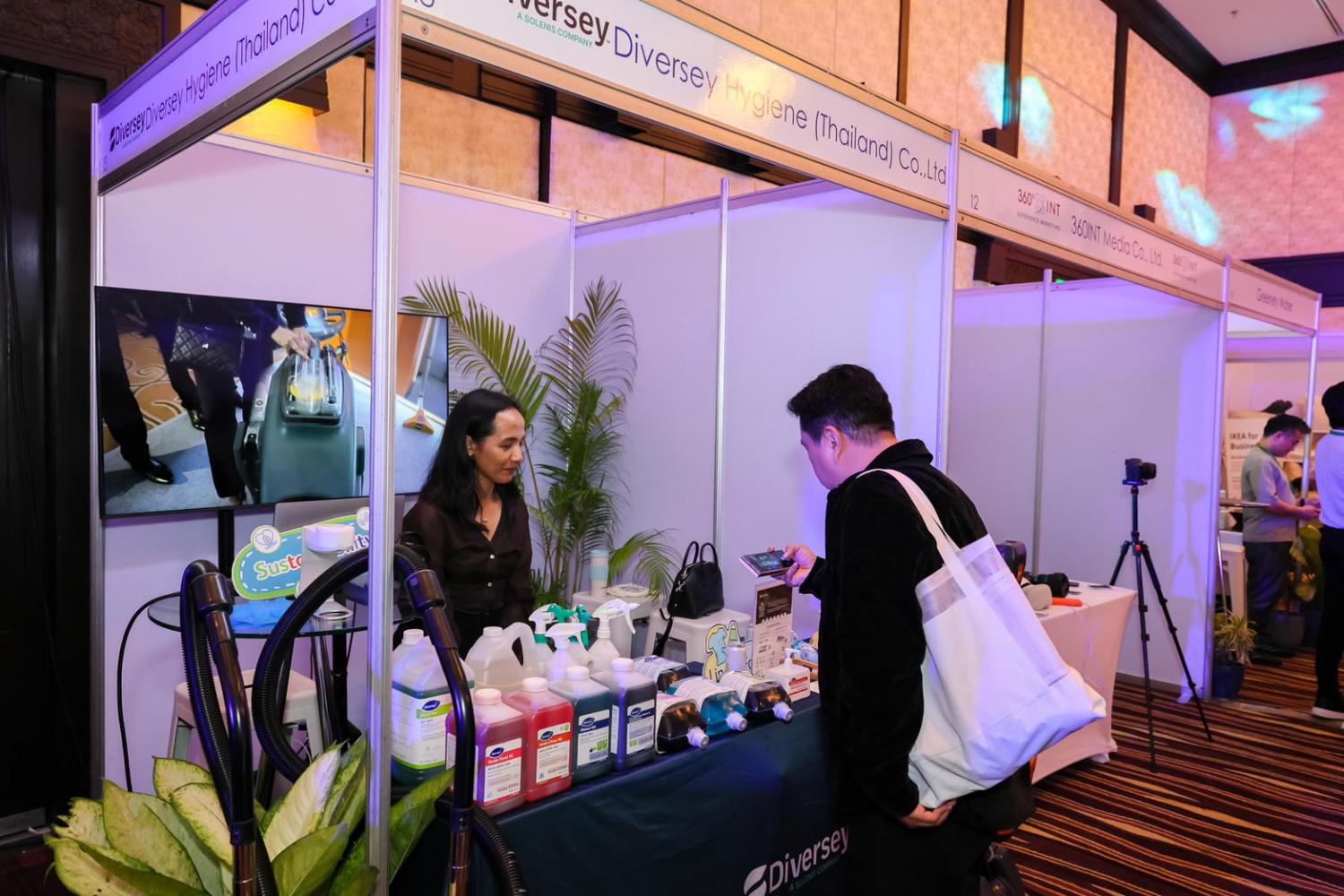
More Phuket tourism operators plan to use local suppliers, recycled products and new technology.
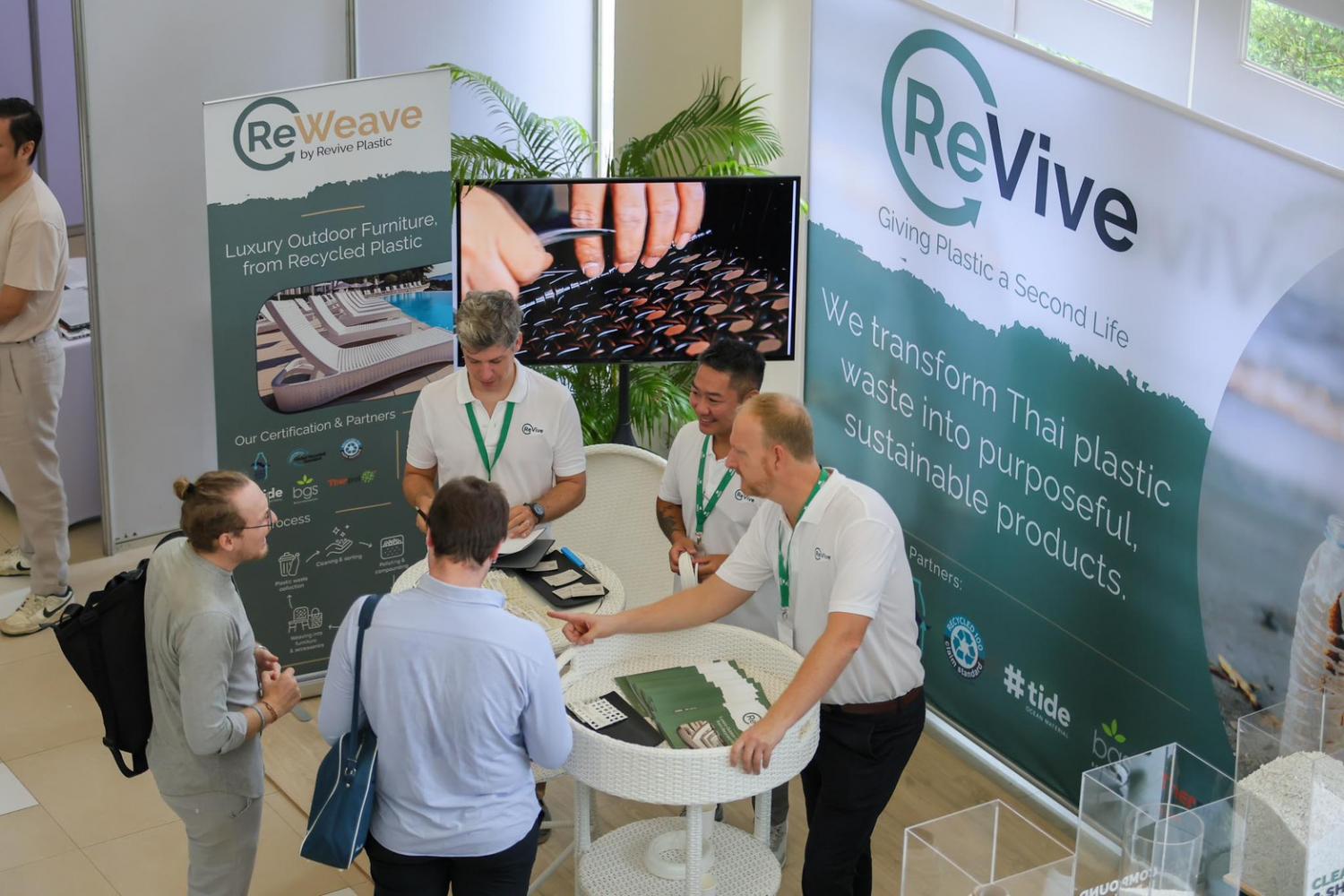
The Phuket Hotels for Islands Sustaining Tourism conference in September connected hoteliers with green suppliers.
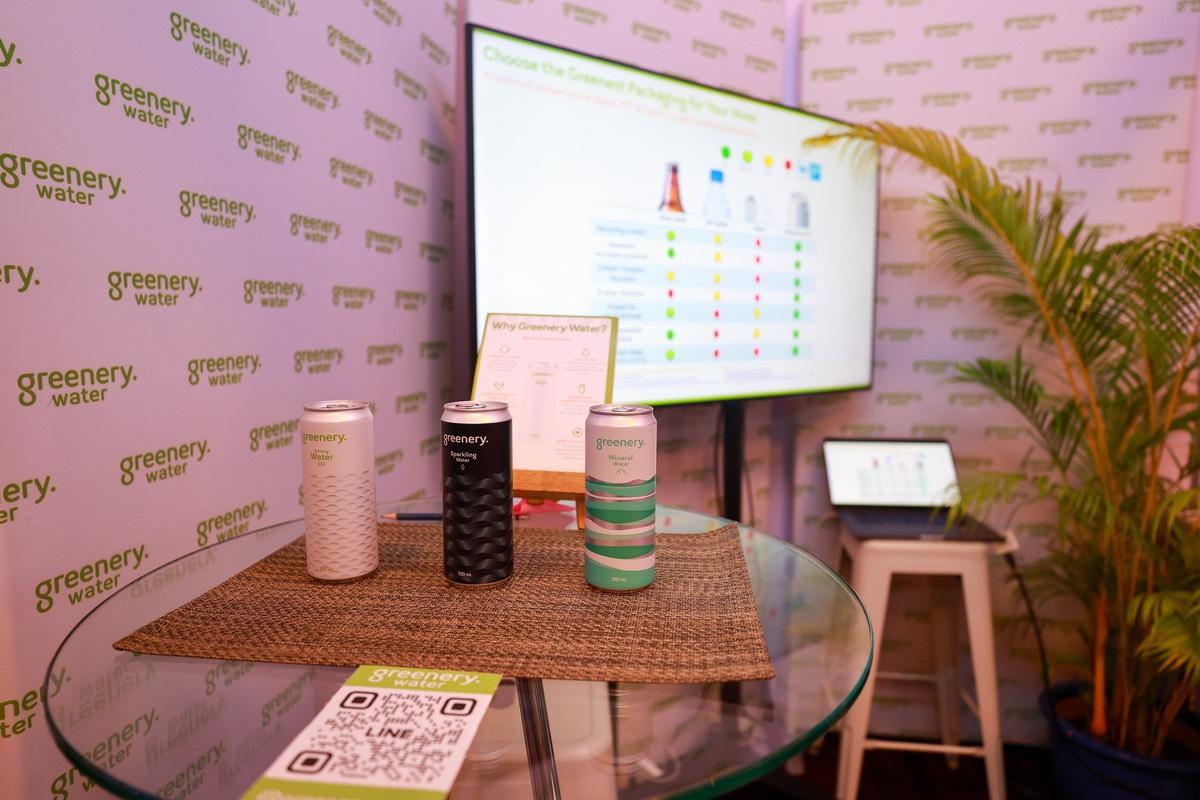
More hotels are seeking environmentally friendly products to promote sustainability.
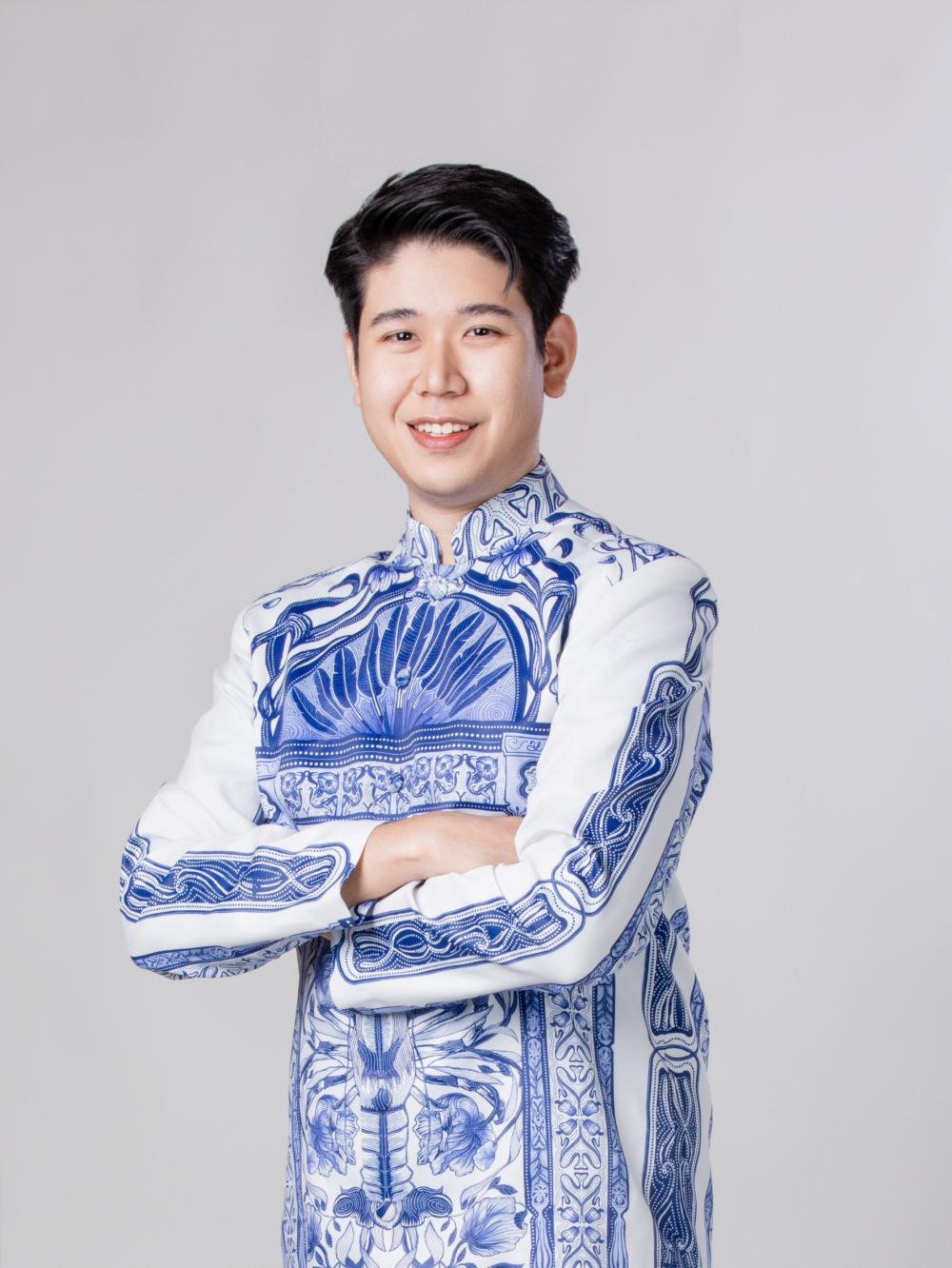
Mr Phongpiwich says Yayee benefits from sustainability demand.