Southern flood levels still rising

Flooding also in North and Central Plain

PUBLISHED : 24 Nov 2025 at 11:20

Flooding also in North and Central Plain

Floodwater chest-deep in Hat Yai district, Songkhla, on Sunday. (Photo supplied)

Severe flooding continued and was deeper in most of the 10 affected southern provinces on Monday, with heavy rain forecast to continue in the region into Tuesday.

The Department of Disaster Prevention and Mitigation reported on Monday morning that flooding persisted in 10 southern provinces and the water level continuing to rise in most of them.

Flooding in the 10 provinces was reported in:

  • Surat Thani: Tha Chang, Kanchanadit and Khian Sa districts
  • Krabi: Khao Phanom
  • Nakhon Si Thammarat: Cha-uat, Muang, Tha Sala, Phrommakhiri, Ron Phibun, Na Bon, Sichon, Chawang, Thung Song, Chalerm Prakiat, Hua Sai, Lan Saka, Bang Khan, Phra Phrom, Chang Klang, Pak Phanang, Chulabhorn, Nop Phi Tam, Thung Yai, Phipun, Chian Yai and Tham Phannara
  • Trang: Na Yong, Huai Yot, Ratsada, Yan Ta Khao, Wang Wiset, Kantang, Muang, Sikao and Palian
  • Phatthalung: Muang, Khuan Khanun, Kong Ra, Khao Chaison, Sri Nakarin, Bang Kaew, Pa Bon, Pak Phayun, Sri Banphot, Pa Phayom and Tamot
  • Satun: Khuan Don, Langu, Tha Phae, Manang, Khuan Ka Long, Muang and Thung Wa
  • Songkhla: Rattaphum, Muang, Chana, Khlong Hoi Khong, Ranot, Krasae Sin, Sathing Phra, Hat Yai, Khuan Niang, Na Thawi, Singha Nakhon, Na Mom, Bang Klam, Sadao, Thepha and Saba Yoi
  • Pattani: Sai Buri, Mae Lan, Khok Pho, Mayo, Yarang, Mai Kaen, Yaring, Panare, Thung Yang Daeng, Kapho, Nong Chik and Muang
  • Yala: Muang, Raman, Betong and Bannang Sata
  • Narathiwat: Bacho, Yi-ngo, Muang, Rangae, Tak Bai, Sungai Padi and Sri Sakhon

The highest number of affected households was in Songkhla (243,568), followed by Nakhon Si Thammarat (210,950).

Flood levels in the southern provinces were rising except in Surat Thani and Krabi, where flooding had receded. Flooded areas expanded in Narathiwat and Yala.

The Meteorological Department said heavy rain would continue in the lower South into Tuesday.

Elsewhere

Overflowing waterways also continue to cause flooding in 11 provinces in the North and Central Plain.

In the North, flooding persisted in:

  • Phitsanulok: Bang Rakam
  • Nakhon Sawan: Chumsaeng, Muang, Phayuha Khiri, Krok Phra

In the Central Plain, the inundation continued in:

  • Uthai Thani: Muang district
  • Chai Nat: Wat Sing, Manorom, Muang, Sapphaya, Sankhaburi
  • Sing Buri: In Buri, Phrom Buri, Muang
  • Ang Thong: Pa Mok, Wiset Chai Chan, Chai Yo, Muang
  • Suphan Buri: Muang, Bang Pla Ma, Song Phi Nong, U Thong, Sri Prachan, Don Chedi, Doembang Nangbuat
  • Ayutthaya: Sena, Phak Hai, Bang Ban, Bang Sai, Bang Pa-in, Phra Nakhon Si Ayutthaya, Bang Pahan, Bang Sa-ai, Ban Phraek, Maha Rat, Lat Bua Luang, Nakhon Luang
  • Pathum Thani: Sam Khok, Muang
  • Nonthaburi: Muang, Pak Kret, Bang Kruai
  • Nakhon Pathom: Bang Len, Sam Phran, Nakhon Chaisi, Kamphaeng Saen, Muang, Don Tum, Buddha Monthon

Flood levels were falling in these provinces with the exception of Phitsanulok, where water levels remained stable.

In the National Interest: An agenda for a holistic renewal of Nigeria

Nigeria goes by the sobriquet “Giant of Africa”, principally because of its size. But the best metaphorical description of the country is a “sleeping g…

Nigeria goes by the sobriquet “Giant of Africa”, principally because of its size. But the best metaphorical description of the country is a “sleeping giant”. And being asleep, Nigeria is not fulfilling its potential. The challenges are daunting and if things remain as they are, the omens are not good. Cobbled together by Britain in 1914, Nigeria remains today, over 110 years later, a deeply fractured society, lacking internal cohesion and a shared purpose. The core ethnic identities compete with, and often trump, the national identity. On the economic front, Nigeria is one of the world’s most volatile and fragile economies. Socially, Nigeria is ravaged by endemic corruption, widespread unemployment, extreme poverty and inequality, and debilitating insecurity. Put simply, Nigeria lacks the political wherewithal and institutional capacity to engender stability, progress and prosperity.

The foregoing is the context in which I wrote my book, In The National Interest: The Road to Nigeria’s Political, Economic and Social Transformation, which was launched last week. The book is a bold call to action, grounded in deep historical insight and focused on one central truth: Nigeria cannot move forward until its leaders and citizens alike begin to act in the national interest. In it, I explore the root causes of our national challenges – political, economic, and social – and present a clear-eyed roadmap for transformative change. I argue that Nigeria needs a new political and constitutional settlement as well as a new economic model to unlock its great potential and become politically stable, economically prosperous and socially cohesive, and thus become the great nation that it should be. As someone committed to the future of this country, I believe this book offers the kind of holistic analysis and forward-thinking solutions that are urgently needed.

Analytically, the book’s approach is based on the premise that there is a symbiotic relationship between the political, economic, and social factors shaping Nigerian society and that political governance, economic performance, and social well-being are interdependent. For instance, the right political institutions that positively shape the character and efficiency of democratic governance are a prerequisite for successful economic governance and management, and both political stability and economic prosperity are critical to social progress and internal cohesion, both of which, in turn, can affect the operation and performance of the political and economic systems.

“Analytically, the book’s approach is based on the premise that there is a symbiotic relationship between the political, economic, and social factors shaping Nigerian society and that political governance, economic performance, and social well-being are interdependent.”

The book’s core political argument is that Nigeria’s political and governance structures are deeply flawed and are hindering development. To govern its economy and society well and achieve maximum economic and social benefits, a country needs, in the first place, political institutions and governance structures that work. Without a stable political environment, economic progress is impossible. Therefore, it is futile to talk about economic governance without, as a starting point, political governance. Thus, the book argues that Nigeria needs political restructuring, which must lead to an inclusive and enduring political and constitutional settlement and a new constitution that ensures that the country is governed in a pluralistic, unity-inducing and prosperity-engendering manner.

Complementing the political argument is the economic one, which addresses economic, trade, and industrial issues. Following on from the political argument, it is submitted that once Nigeria has had a negotiated political and constitutional settlement and a new constitution, it would need to restructure its economy. Without economic progress, even a stable political environment will begin to unravel. So, economic restructuring must follow from political restructuring, and the book’s central economic argument is that Nigeria must be an open, competitive, market economy, and an export-led industrial nation. Adam Smith’s immutable words are worth remembering: “No nation is ever rich by the exploitation of the crude produce of the soil but the exportation of manufactures and services.”

Related News

Then the book addresses a significant issue in Nigeria: weak state capacity. This deficiency hinders Nigeria’s ability to manage various societal challenges, including joblessness, poverty, inequality, and insecurity. The issue isn’t due to a lack of skilled individuals; Nigerians are recognised for their leadership on global stages. Instead, the root of the problem lies in ineffective governance, fragile institutions, and a deficit of visionary and competent political leadership. But Nigeria cannot be an effective state unless it is first a strong nation where leaders and citizens alike, regardless of ethnic, regional, or religious differences, have a sense of shared purpose and of the national interest. That means that Nigeria must first be restructured to create a new political and governance system that is fair, just, and equitable, ensuring that the right values, norms, and incentive structure underpin that system. Only when Nigeria is united and stable, only when there is a sense of shared belonging and purpose, will an effective state emerge and state capacity and, with it, progress.

Thus, my deeply held conviction, which informed the writing of the book, is that it is impossible for Nigeria to achieve the much-needed political, economic, and social transformations and fulfil its great potential without a negotiated political and constitutional settlement and a new constitution, followed by the revamping of its economic model. The book rejects the argument that Nigeria does not need to be restructured, that what it needs are good leaders and good citizens. While the success of all institutions depends, in large part, on those who run them, it is also true that institutional structures can constrain behaviour and shape outcomes. Of course, leadership matters, and the attitudes of citizens matter, but the right institutional structures, underpinned by the right values, are powerful incentives in driving behaviours, performance and outcomes.

The overarching appeal of the book is to the national interest. It is not beyond human ingenuity and creativity to produce for a country an enduring political and constitutional settlement and create a fit-for-purpose economic and governance structure. However, it requires acting in the national interest to do so. Acting in the national interest means reacting as every group with a shared identity does in the face of real and present danger and putting the best interests of a nation and its people above sectional and myopic considerations. The truth is that Nigeria’s current political and governance structures cannot ensure or guarantee its unity, stability and progress, and maintaining the status quo is not sustainable; it is even dangerous. Nigeria must, therefore, chart a new path forward.

My greatest hope is that the book will contribute to that process and that it will lead to a national consensus to restructure Nigeria and create a new political and constitutional settlement, and a new constitution, both of which are preconditions for economic and social transformations. As Professor Paul Collier says in his Foreword, “This is the book that Nigerians have long needed: an agenda for root-and-branch renewal based on a profound historical understanding.” In his own Foreword, Professor Pat Utomi, described the book as “thoughtful, a call for action to change course”. He adds: “From an analytic but fair and balanced commentary on historical evolution of politics, governance and development practices in Nigeria, the book puts forward what can be called a Federalist agenda.” If you care about Nigeria’s future, as I hope you do, I invite you to read the book and join national the discourse on the remaking of the country.


Old places new menus

Bored of eating the same thing twice? Fear no more, here’s a list of restaurants and bars that have shuffled things up to make sure you’re never bored or short of choices while dining out. 1897 Lounge
Siam Kempinski Hotel Bangkok’s 1897 Lounge …

Bored of eating the same thing twice? Fear no more, here’s a list of restaurants and bars that have shuffled things up to make sure you’re never bored or short of choices while dining out.

1897 Lounge

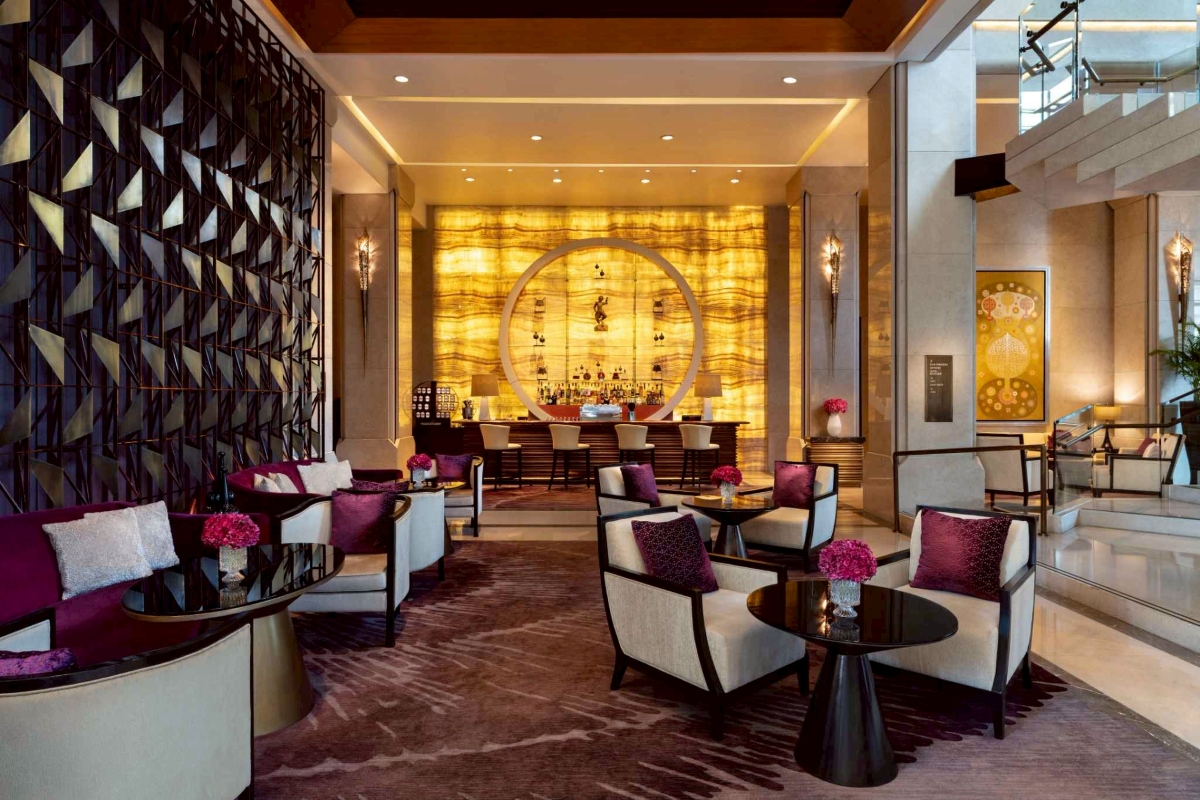
Siam Kempinski Hotel Bangkok’s 1897 Lounge has introduced a new beverage menu, which takes inspiration from Thailand’s tropical fruits. 

The 13 new cocktails, zero-proof drinks and crafted lemonades are inspired by the “Garden Of Siam’ and feature fruits from the four regions of Thailand. Each drink reflects innovative bar techniques, including the use of “sous vide” to create high-quality infusions that enhance the taste and aroma of each fruit, while the “clarifying” technique ensures a smoother, more refined mouthfeel.

Start with the River Kwai, infused with local gin and mango from Ratchaburi; Pandan Garden, featuring aromatic pandan from Samut Songkhram; Tropic Thunder, made with passion fruit from Chanthaburi and cacao from Chumphon; Autumn Dream, a pear-infused cocktail from Nakhon Sawan; Blind Bird, a pisco-based drink infused with lemongrass from Nakhon Pathom; and Tiki Taka Sidecar, showcasing jackfruit from Nonthaburi. 

Guests preferring non-alcoholic options can enjoy Waii, featuring lemongrass from Nakhon Pathom; Nawa, with jasmine green tea from Chiang Rai; Coldbrew Fizz, combining cold brew with lemon and orange; and Berry Breeze, blending cold-brew coffee with raspberry purée and pomegranate syrup. All mocktails use a cold-press technique to preserve natural nutrients and flavours. 1897 Lounge’s new beverage menu is available alongside a curated collection of vintage spirits.


Le Du Kaan

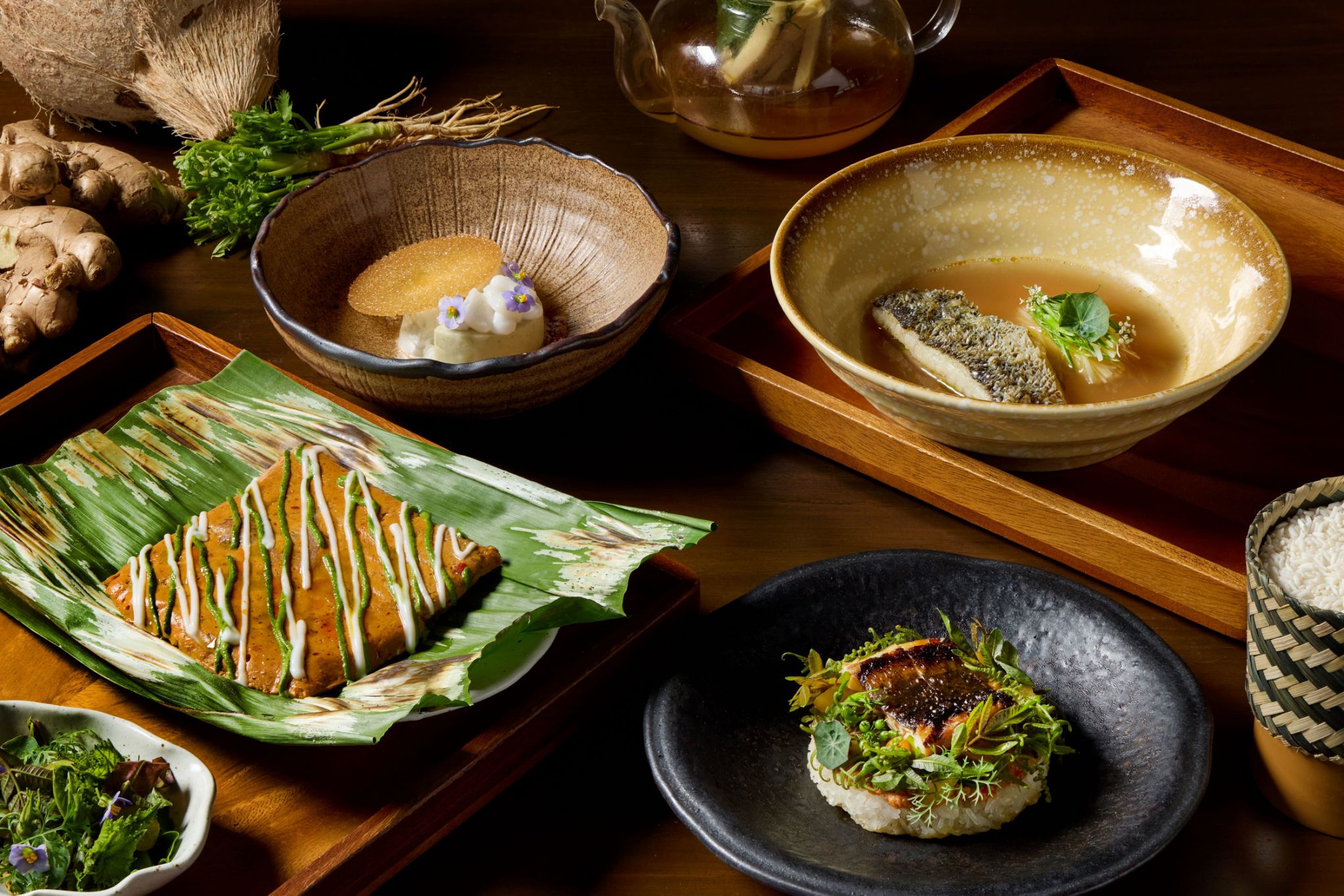
Le Du Kaan celebrates the arrival of winter in Thailand with a new special menu designed to warm the body and soothe the soul during the cooler months of the year.

Until Feb 28, 2026, the restaurant will present a series of dishes that transport diners to the country’s Northern and Northeastern provinces. Four Thai recipes are available. Khao jee nam prik is an dish that is cherished in North and Northeast Thailand, as families gather around a fire for warmth and comfort. Steamed sticky rice is shaped into balls, skewered and cooked over charcoal, then dipped in beaten egg and grilled again until golden. Served with spicy grilled fish, chili dip, sweet fish sauce, herbs and pickled vegetables.

Diners can also savour Mok neur, a fragrant blend of tender beef in curry paste, coconut milk, local herbs and egg, wrapped in a banana leaf and grilled until the meat is smokey and succulent. Le Du Kaan’s version uses premium Tajima beef cheek, which is slowly cooked inside this natural parcel until infused with herbal flavours and aromas.

Seafood lovers can discover the sublime taste of Tom khing, a soup of fresh marbled goby fish, simmered with aged ginger, shiitake mushrooms and onion. The hot kick of ginger, the sweetness of onion and the flakey texture of the fish combine beautifully to create a broth that is sure to keep the winter chill at bay.

Every winter dining experience can end with a classic Thai dessert of Kanom sai sai, a refined reinterpretation of a classic Thai dessert. Khanom kluea, a northern Thai delicacy is infused with the aroma of wild banana leaves. Khanom niew is tender sheets of glutinous rice dough, hand-cut and gently boiled to achieve a soft, chewy texture. The dessert is elegantly finished with coconut foam scented with Thai candle smoke and crowned with delicate coconut sugar caramel tuile.


Uno Mas

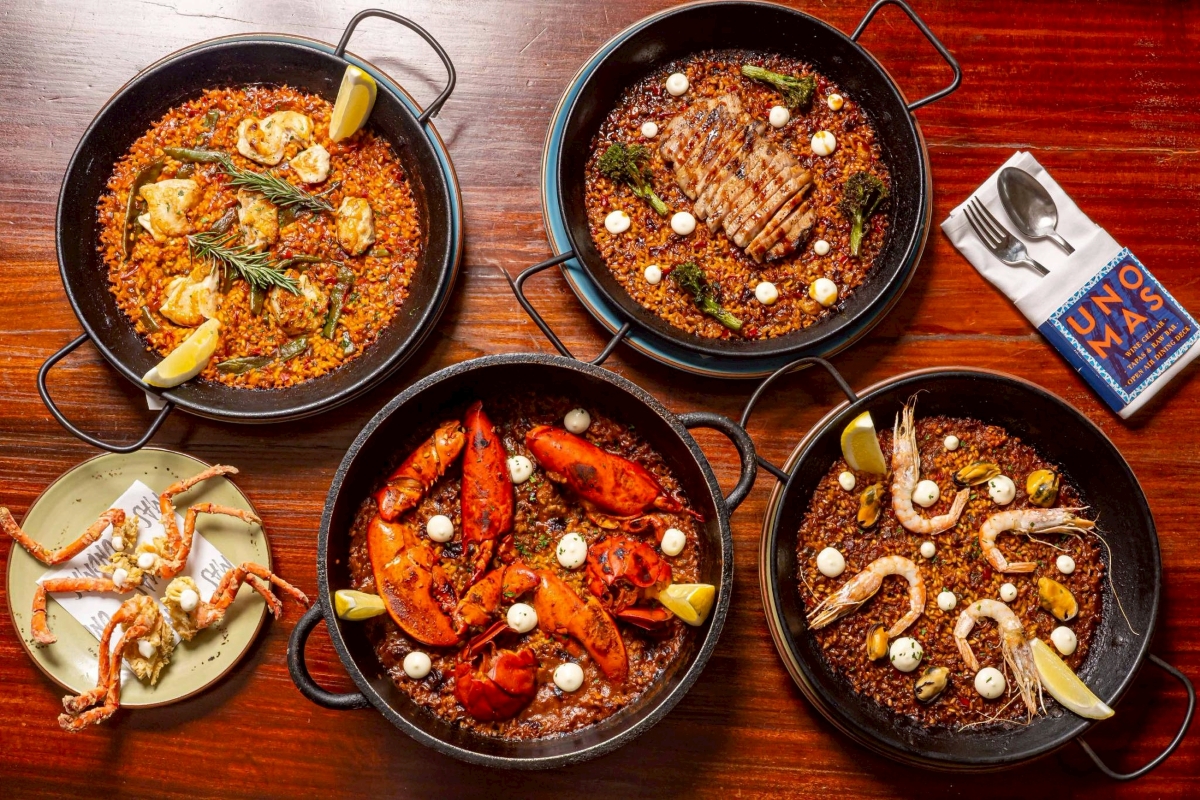
Uno Mas at Centara Grand at CentralWorld has launched a new à la carte menu, inspired by chef de cuisine Borja Terry Borrego’s Andalusian roots.

“Spanish cooking is all about flavours and emotions,” says chef Borrego. “This menu is a reflection of that spirit. It is a mix of classic tapas, rich seafood dishes, and perfectly grilled meats, all prepared with care and precision.”

The new menu balances classic comfort with bold Mediterranean energy. Among the highlights are Bravas Uno Mas, a fresh take on Spain’s iconic patatas bravas with imported potatoes and house-made sauces; Pulpo a la Gallega, Galician-style octopus with smoked paprika; and Gambas al Ajillo, sizzling garlic prawns cooked in olive oil with a hint of cayenne.

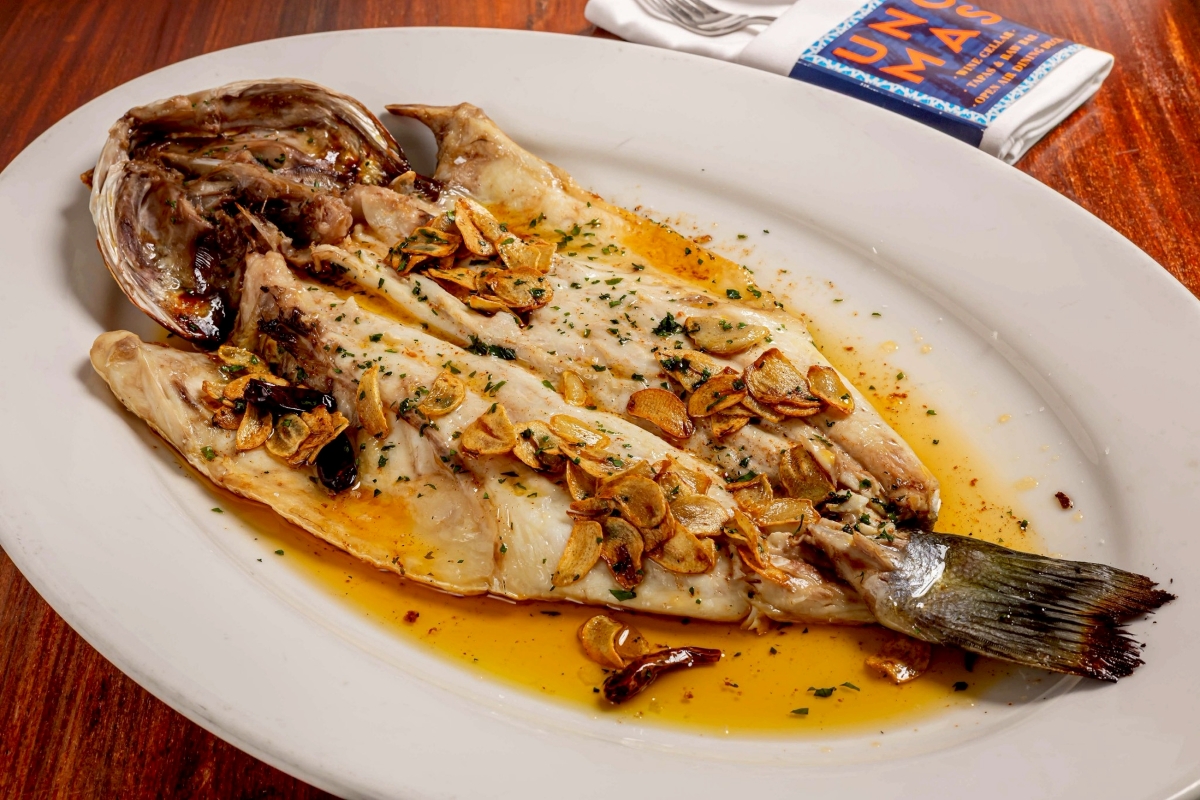
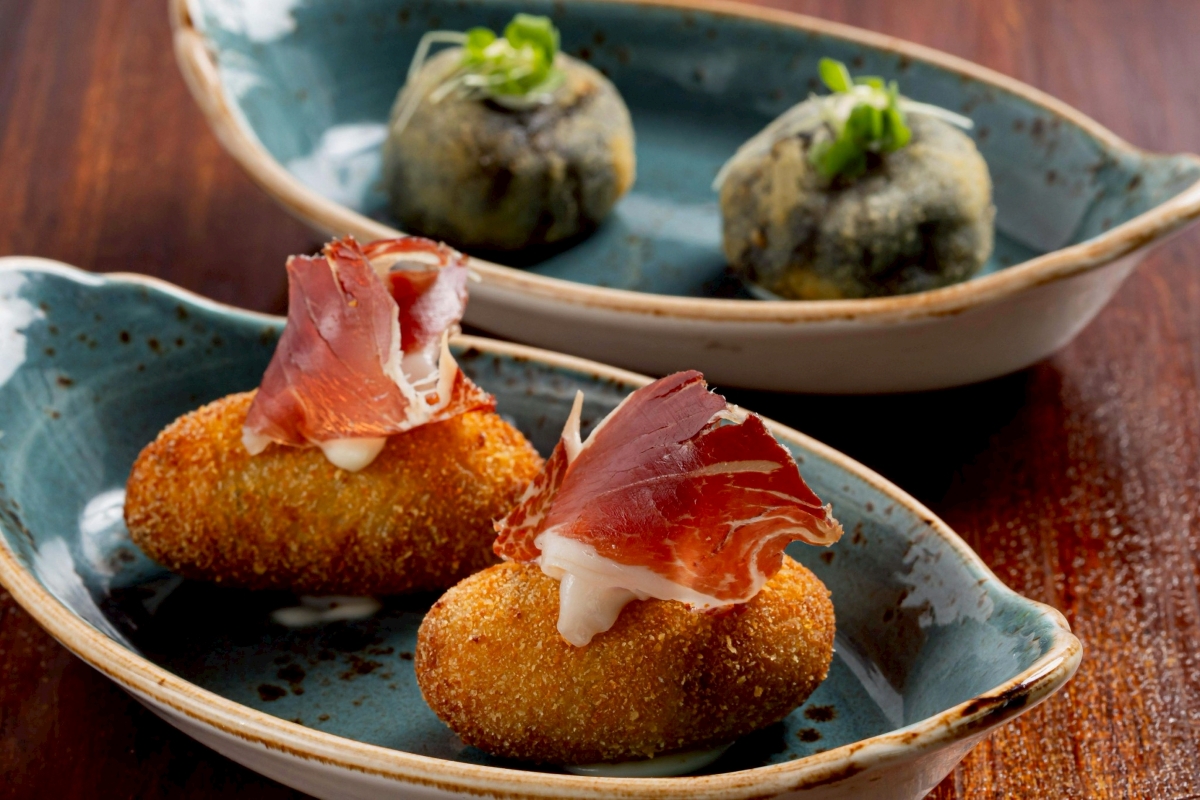
The menu also introduces the Tabla de Tapas, a generous sharing board featuring Iberian ham croquettes, squid ink croquettes, anchovy toast, white anchovy, grilled octopus, Spanish omelette, padrón peppers, Spanish meatballs, sizzling garlic shrimps, Ibérico de bellota ham, and fried calamari. Larger plates include Paella Valenciana, a faithful rendition of the traditional rice dish with chicken and green beans; Caldoso de Bogavante, a luxurious lobster rice stew served in true coastal style; and Lubina a la Parrilla, a whole sea bass grilled or fried to perfection.

The grill section introduces Parrillada de Mariscos, a show-stopping seafood platter of lobster, scallops, squid, prawns and oysters, while Cochinillo a la Segoviana, a traditional Segovia-style suckling pig, pays homage to Spain’s timeless culinary heritage. 


Blue by Alain Ducasse

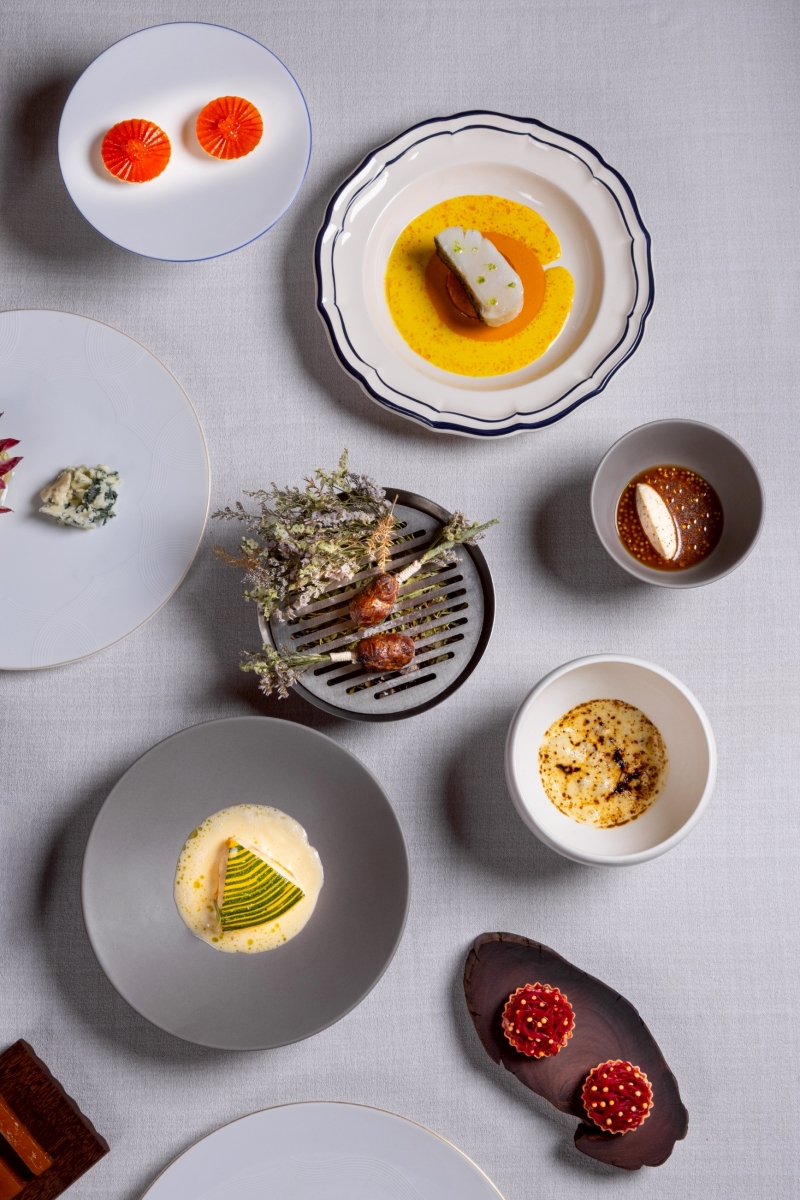
Blue by Alain Ducasse presents “Transition To Autumn”, a seasonal expression by executive chef Evens López.

Designed as a bridge between summer’s lingering light and autumn’s quiet depth, this menu reflects the chef’s poetic vision of nature in motion, combining the refinement of French gastronomy with an intuitive sense of place and time. For chef López, this menu is a meditation on change. “Thailand may not experience autumn as France does, but ingredients have their own rhythm,” he explains. “This menu captures that rhythm and — a dialogue between two worlds, told through flavour and texture.”

The journey begins with three canapés that signal the season’s shift: Smoked trout with the last of the summer bell peppers, porcini mushrooms with sobacha and Gruyère, and Wagyu A4 beef with beetroots and shiso, an elegant nod to the earth. The much-loved Aubergine amuse bouche remains on the menu.

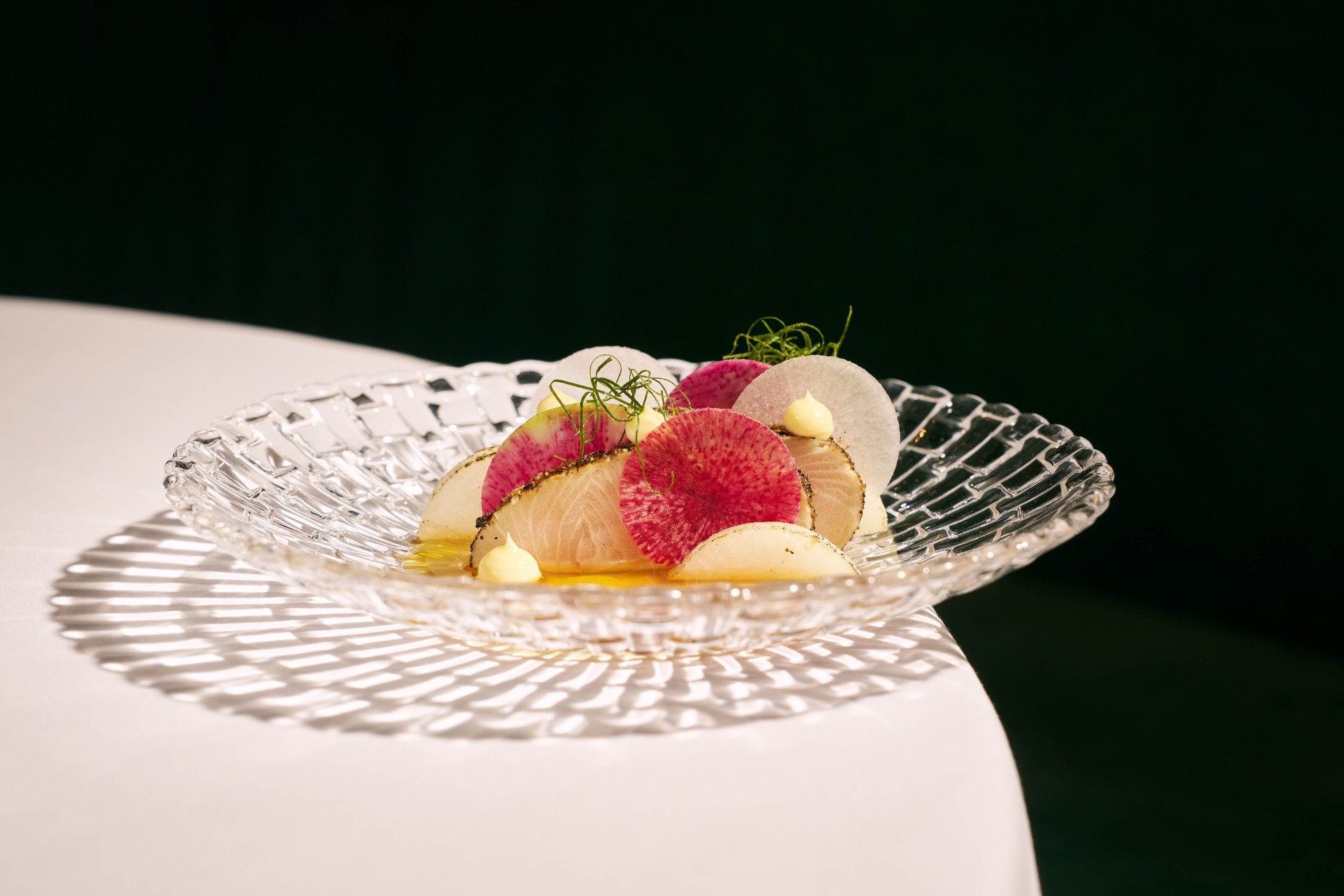
Among other highlights, Bluefin tuna, wild-caught from France or Japan depending on seasonal tides, is cured using the traditional Japanese kombujime technique, drawing out umami and tenderness. It is paired with French-grown watermelon radish, a brown butter and yuzu emulsion, and Kristal caviar, balancing delicacy with depth.

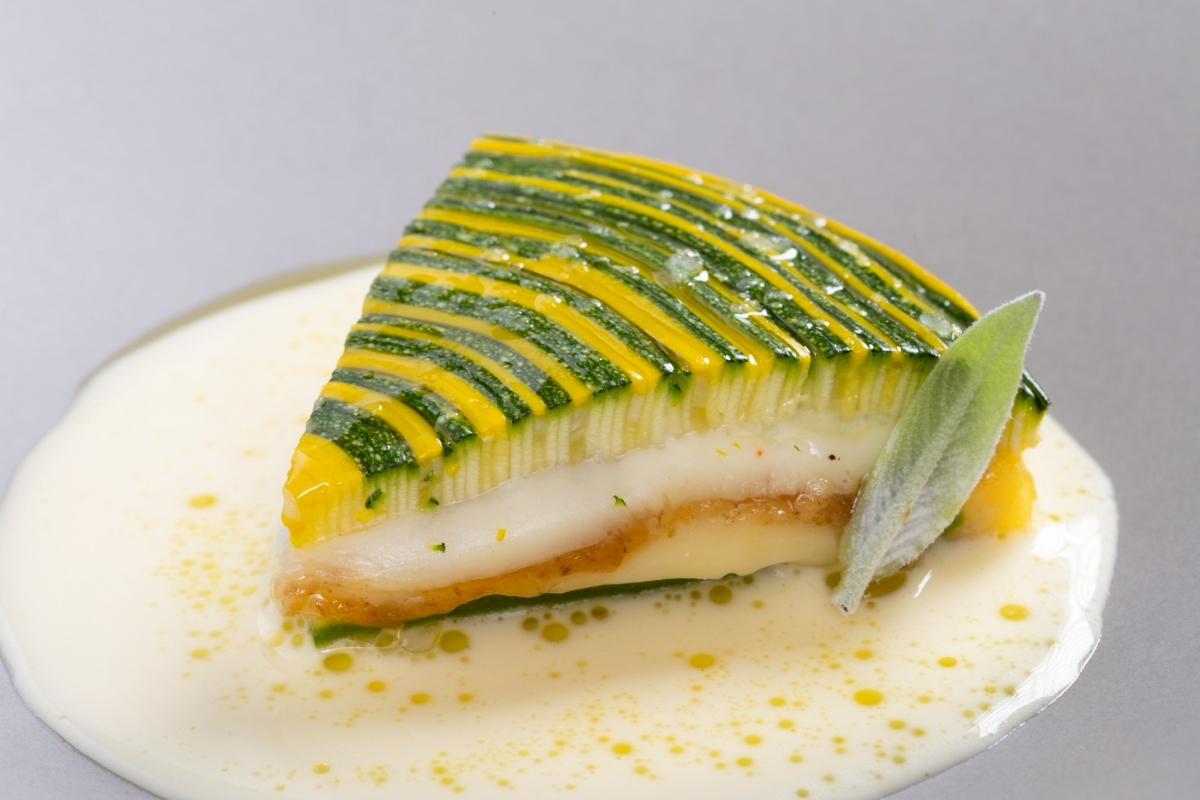
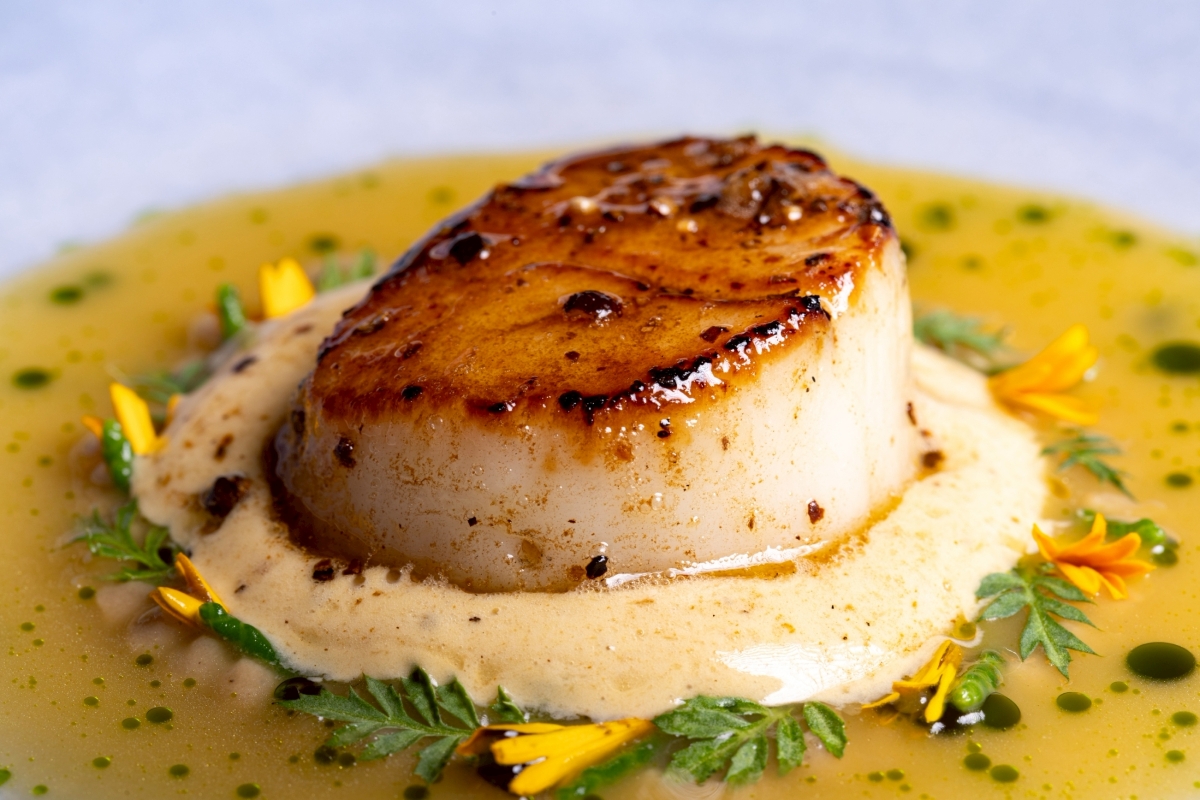
Chef López revisits the Rainbow courgette and Comté cheese pairing with walnut praline and blackcurrant sage. Autumn’s arrival is announced by Hokkaido scallops infused with blackened Jerusalem artichokes, lemon marigold and cubeb pepper, an Indonesian spice with a complex flavour profile of spicy, bitter notes, eucalyptus, allspice and a menthol-like cooling aftertaste.

Executive pastry chef Christophe Grilo concludes the experience with a “Delight Collection — a medley of seasonal desserts featuring apples, figs and local papaya, each drawing on the natural sweetness of the season.


Ms. Jigger 

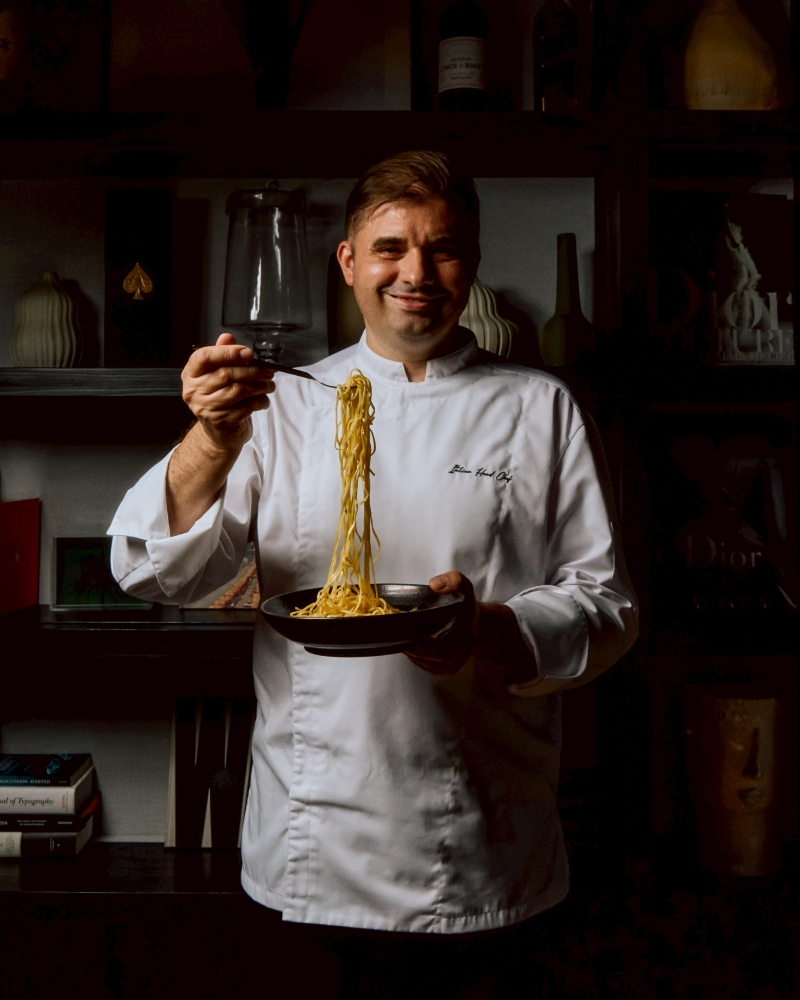
Ms. Jigger at Kimpton Maa-Lai Bangkok welcomes the return of chef Danilo Aiassa, who unveils a reimagined Italian menu complemented by gem-inspired cocktails and zero-waste bites from Ruby’s.

“A Celebration Of Italian Flavours And Craftsmanship will be served from Dec 1 to Jan 4, 2026 and includes 16 curated dishes, alongside a seasonal à la carte selection, a prelude to the chef’s full new menu launching on Jan 5. Begin with Focaccia mascarpone, soft house-baked focaccia paired with creamy mascarpone and truffle essence.

“This menu is a reimagining of Italian tradition, simple, seasonal, and full of heart,” says chef Aiiassa. “We respect every ingredient, using it thoughtfully from root to leaf. Sustainability is not just a trend, it’s a way of cooking with purpose,” adds the chef.

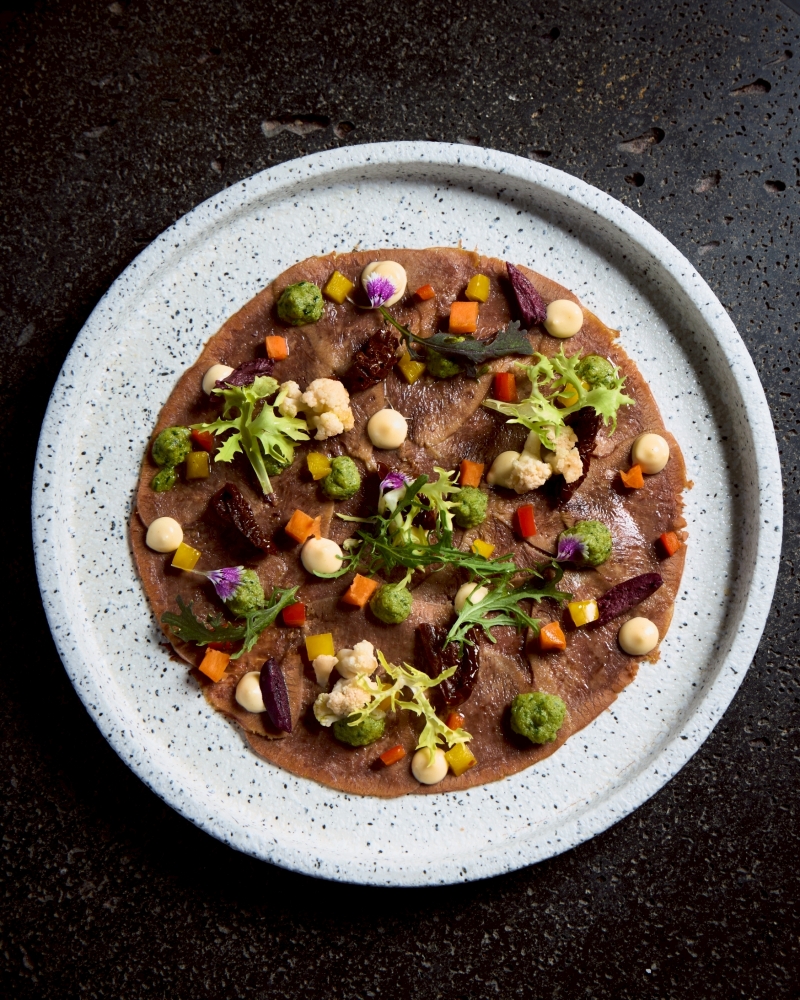
The Lingua di manzo con salsa verde presents slow-cooked beef tongue complemented by parsley-hazelnut sauce and ricotta mousse. For the Primi, diners should savour handmade Agnolotti ripieni spinaci, delicate pasta parcels filled with spinach and ricotta, served with a spicy tomato sauce and basil-hazelnut pesto, an homage to comforting northern Italian flavours.

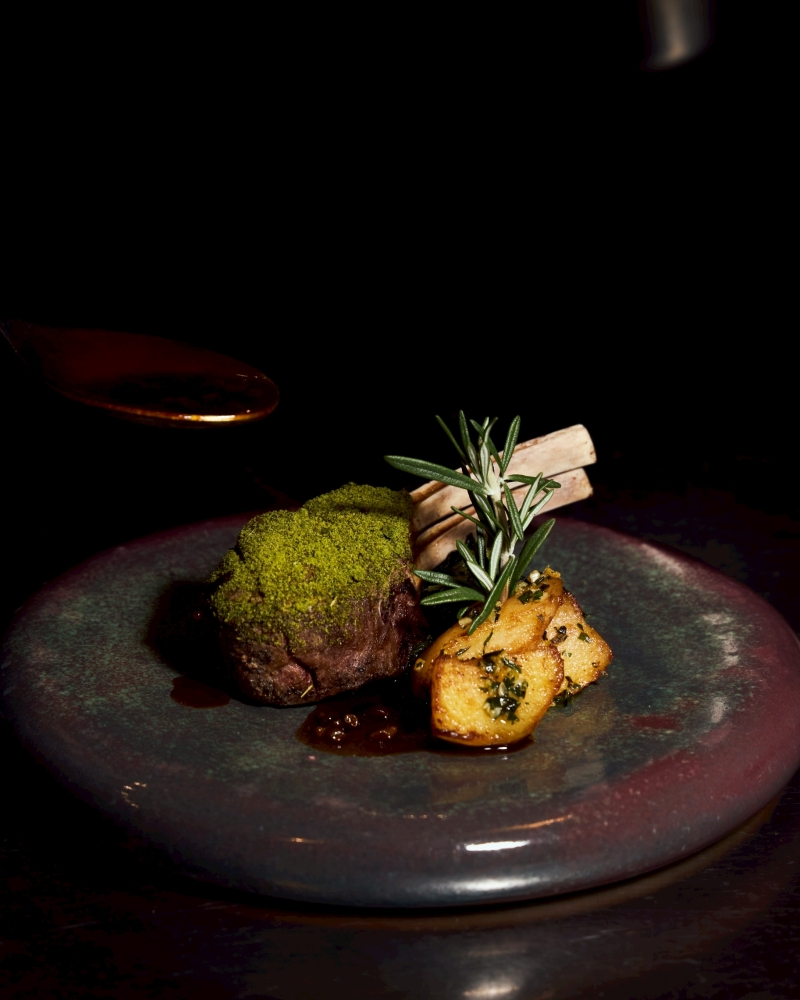
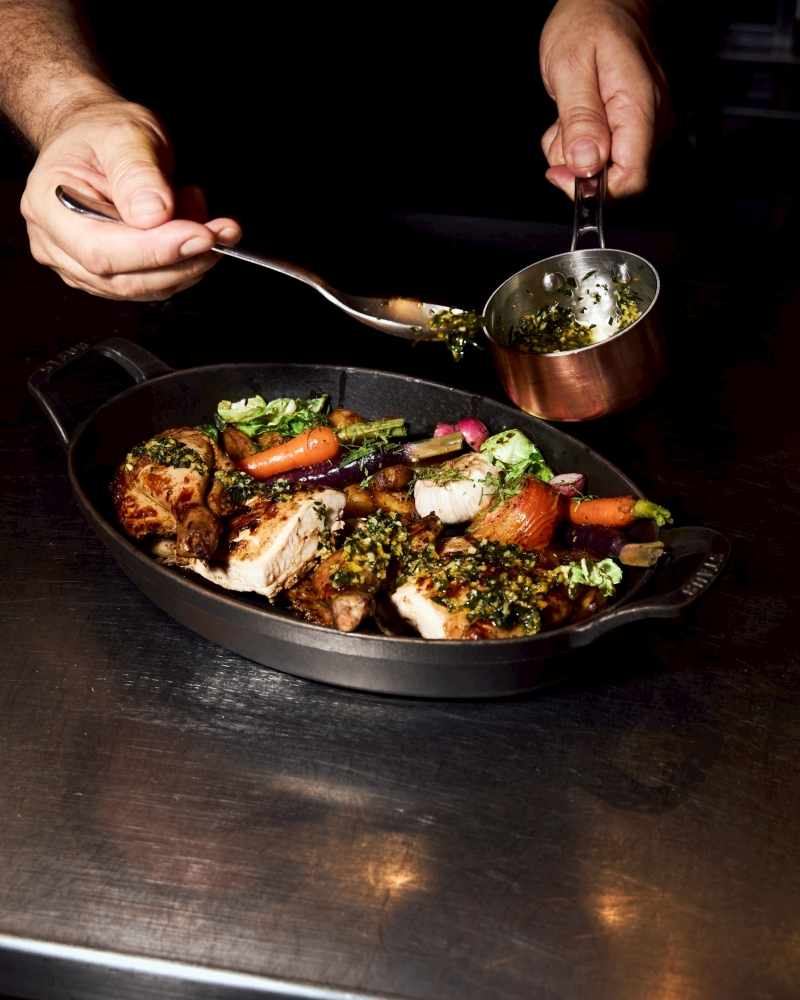
Highlights for the secondi are Polettro ruspante alla diavola or marinated baby chicken grilled with herbs and spicy diavola sauce; and Costolette di agnello in crosta di mostarda – mustard and herb-crusted lamb chops accompanied by roasted potatoes, sautéed spinach and mushroom marsala sauce. End the meal with Torta di ricotta, gelato alla cassata or warm almond and ricotta cake served with vanilla sauce and cassata ice cream.


Ruby’s

Ruby’s introduces a new series of gem-inspired cocktails and zero-waste bites, showcasing a modern take on sustainability.

The Pink Spinel is inspired by the beetroot’s natural depth and vibrancy, every part of the beetroot is used in prepping different components of this cocktail. The peel is fermented with apple vinegar to create a house-made shrub and the root transformed into homemade pickled beet. The Axinite is inspired by the indulgent tones of chocolate and red wine, with the base made from chocolate brownies infused with rum. Red wine that would otherwise be discarded is infused with Thai mint and turned into a red wine gel.

Zero-waste bites include Eggplant Parmigiana, basil pesto, spicy tomato sauce and Polenta cookie, tiramisu cream, and balsamic reduction. 


Liana Bangkok

Winter arrives at Liana Bangkok through colour, texture and quiet celebration. The New Winter Ember Menu explores a progression of flavours from the sea to the earth, and is available from Dec 1 to Feb 28.

The Winter Ember Menu brings the season to life as it expresses winter. Head chef Warat “Bic” Areerom celebrates the richness of local produce like squid and prawn from Surat Thani, duck from Khao Yai and venison from Trang, paired with comforting European favourites like pear, chestnut, celeriac and dark berries. 

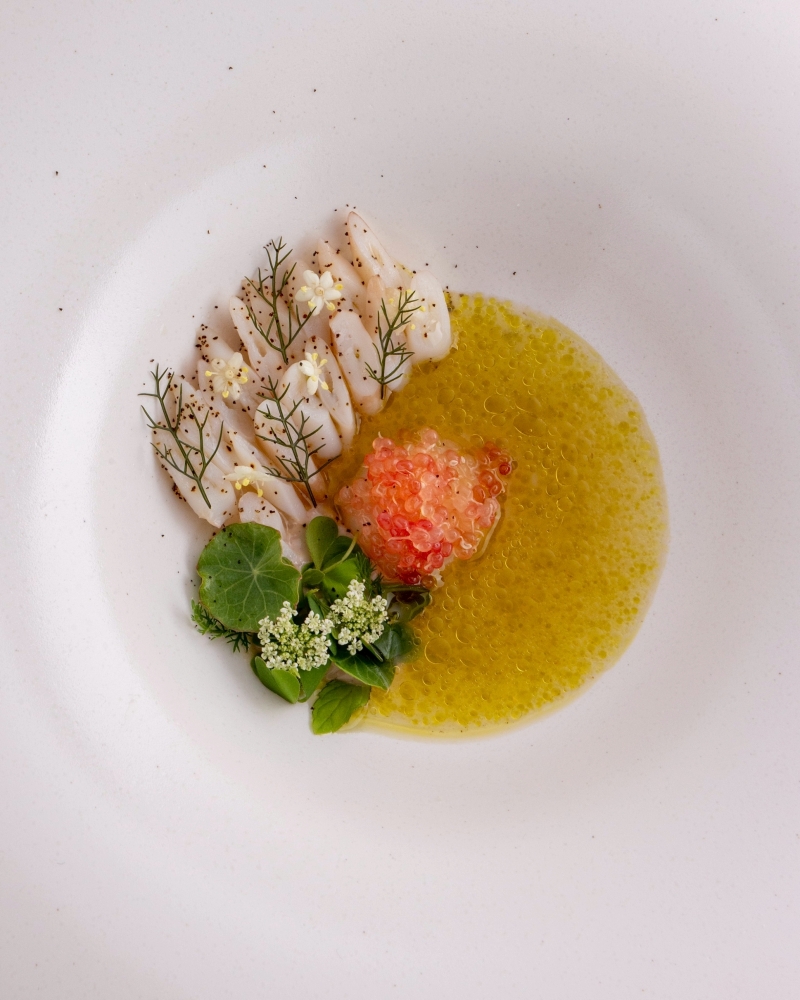
The menu begins with Hamachi, pear, oyster, vanilla and lavender, a dish that introduces the season with a sweetness from fresh fruits. Signature dishes such as Razor clam, Duck and Venison showcase balance. The experience concludes with a gentle sense of renewal as pastry chef Soohyun Lee presents Cherry with tonka bean, orange and bay leaf, and Chestnut with pear, vanilla and rum.


Igniv Bangkok

As the year draws to a close, Igniv presents a curated journey through its most beloved dishes,handpicked by regular guests and the Igniv team. Guests can savour signature creations suchas Hamachi with wasabi and daikon; Cauliflower with mountain kombu and nuts; and Chocolate soufflé. Perfect for diners wishing to relive their favourite moments or discover them anew. The 2025 Review Menu is available from Dec 27–30. 


Côte by Mauro Colagreco

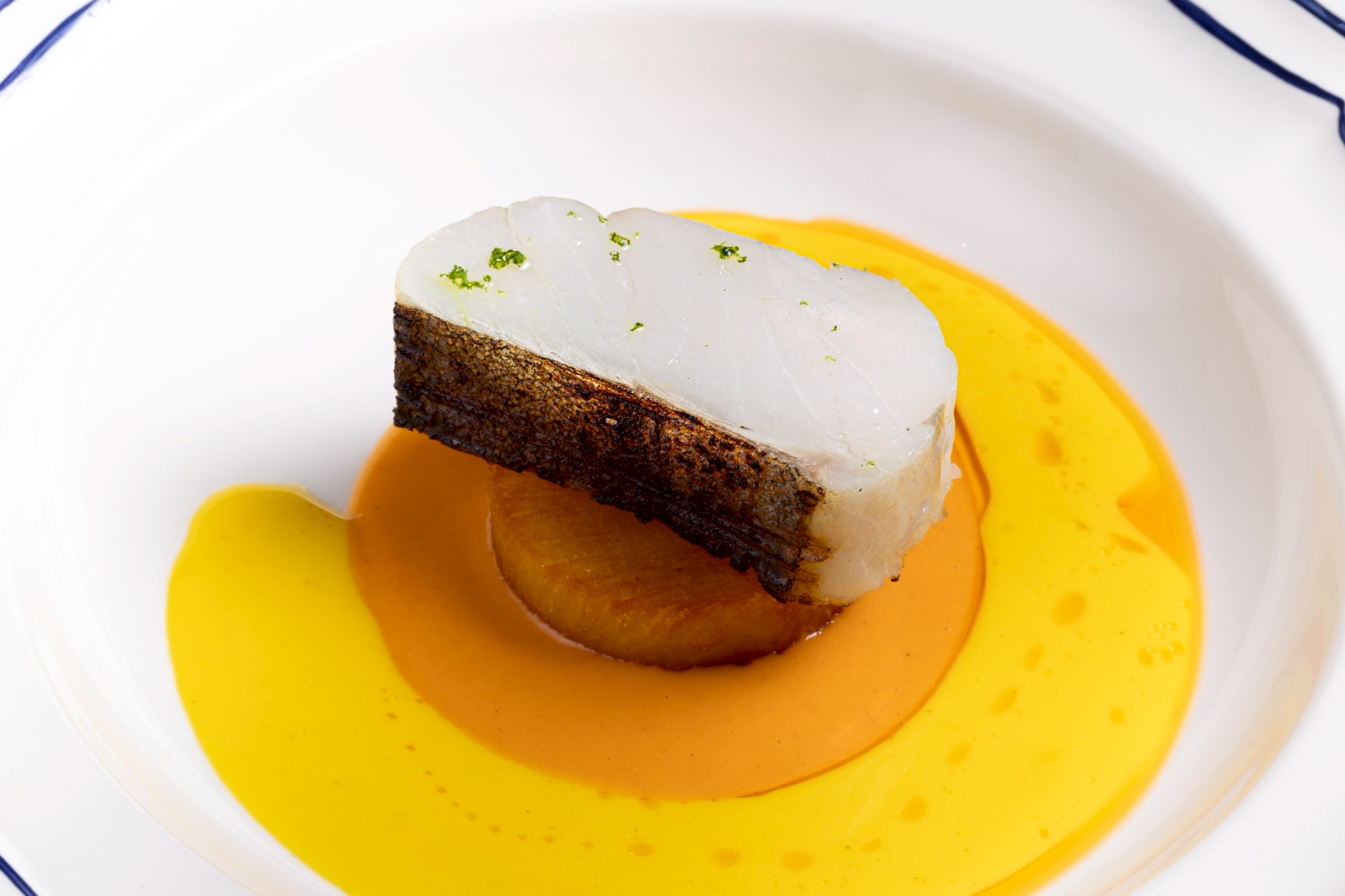
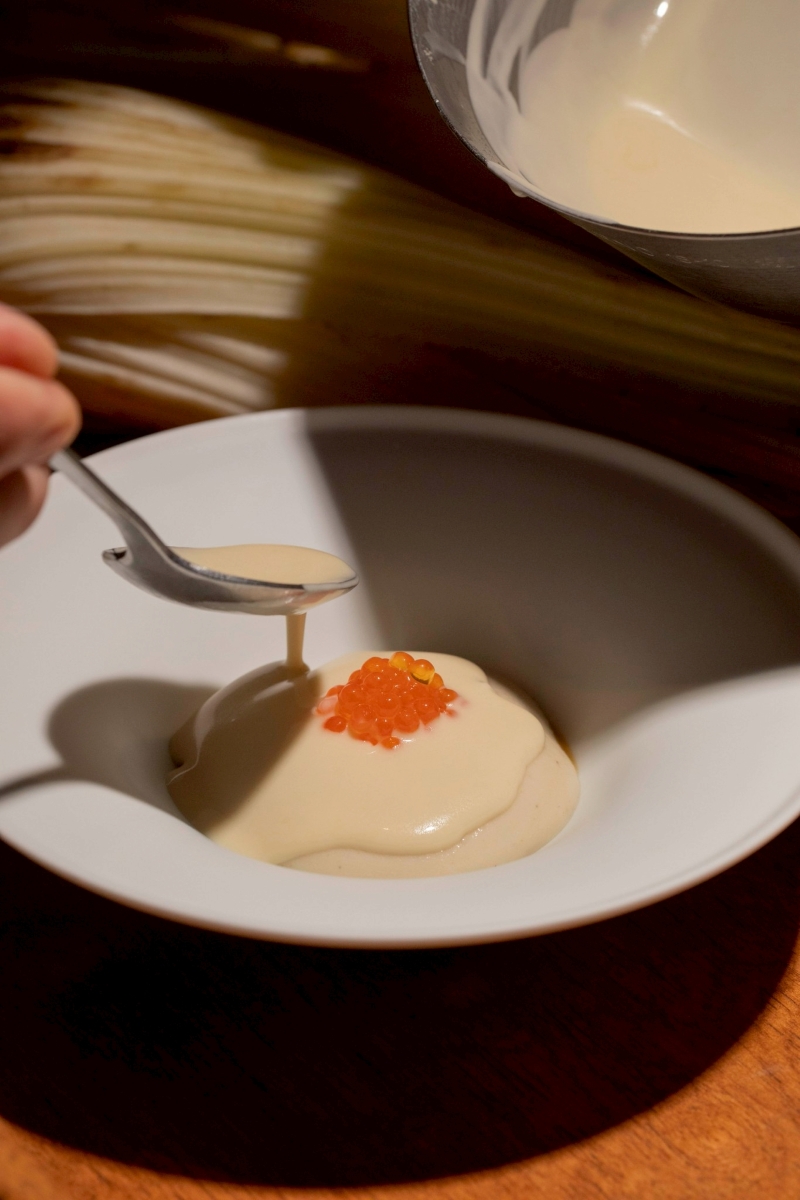
Côte by Mauro Colagreco at Capella Bangkok unveils a limited-edition “Forest Menu” to celebrate the flavours and textures of autumn’s abundant bounty. The dishes include Thistle and cod tripes with Jerusalem artichoke with bagna càuda; Rabbit ‘ballotine’ with chestnut and grapes with an Albufera sauce and Alba white truffle; White Paris mushroom ice cream with chocolate crémeux and pine nuts. Until Nov 30.

Malaysian floods affect 11,000 people across seven states

Kelantan, which borders Thailand, the worst hit

PUBLISHED : 24 Nov 2025 at 11:06

Kelantan, which borders Thailand, the worst hit

A man walks a horse as rain pours in Kuala Lumpur on Monday. (Photo: Reuters)

KUALA LUMPUR – More than 11,000 people in seven Malaysian states have been affected by flooding caused by torrential rain, the national disaster agency said on Monday.

Floods are common on the eastern coast of Malaysia during the annual monsoon season from October until March, with thousands of people displaced each year.

A report from the National Disaster Management Agency showed 11,009 people from 3,839 families have been affected by flooding in the states of Kedah, Kelantan, Penang, Perak, Perlis, Terengganu, and Selangor, as of 6am (5am Thai time) on Monday.

The north-eastern state of Kelantan, which borders Thailand, has been the worst hit, with 8,228 people affected. No deaths have been reported.

Sixty temporary shelters have been opened in the affected states to house those displaced by floods, the agency report showed.

In a separate incident on Sunday, around 400 people were left stranded by a landslide caused by continuous rain in Wang Kelian, a village in the northwestern state of Perlis, state media reported.

The people were safe and sheltering in a mosque on higher ground, state news agency Bernama reported late on Sunday, citing a district police official.

Zangazur Corridor and Turkic cooperation take spotlight at Istanbul summit

A conference in Istanbul has explored how Azerbaijan–Turkiye
strategic cooperation has evolved in the aftermath of the Garabagh
Victory, with experts highlighting shi…

Qabil Ashirov

A conference in Istanbul has explored how Azerbaijan–Turkiye
strategic cooperation has evolved in the aftermath of the Garabagh
Victory, with experts highlighting shifting power dynamics in the
South Caucasus.

Hosted by the Turkish Literature Foundation (TEDEV) and
organised by the “Garabagh is Azerbaijan” National Platform, the
event brought together academics, researchers, and civil society
representatives to examine new regional realities, the role of the
Organization of Turkic States (OTS), and the geopolitical
significance of the Zangazur Corridor.

Opening the conference, Elvin Abdurahmanlı, the platform’s
Turkiye coordinator, said the Garabagh Victory was now a symbol of
pride across the Turkic world, adding that the platform’s mission
is to promote accurate information about Garabagh internationally
and strengthen Azerbaijani–Turkish ties.

TEDEV Chairman Serhat Kabaklı emphasised the importance of
cultural links as the basis for deeper political and strategic
cooperation.

Panel discussions featured presentations on regional diplomacy,
military cooperation, and the rising importance of the Middle
Corridor in Eurasian connectivity.

The event also saw the launch of the Center for Geostrategic and
Diplomatic Studies (JEDAM), which aims to cultivate strategic
research among young scholars and support the academic dimension of
Azerbaijani–Turkish relations.

Participants received commemorative plaques at the close of the
programme.

DFA: No court order yet to cancel Zaldy Co’s passport

Cristina Chi – Philstar.comNovember 24, 2025 | 11:57am

MANILA, Philippines — Former Ako Bicol Rep. Zaldy Co still holds an active Philippine passpo…

Cristina Chi – Philstar.com

November 24, 2025 | 11:57am

MANILA, Philippines — Former Ako Bicol Rep. Zaldy Co still holds an active Philippine passport because the Department of Foreign Affairs has not been ordered to cancel it as of Monday morning, November 24.

“As of this morning, we have not received a court order instructing the DFA to cancel his passport,” DFA Spokesperson Angelica Escalona told reporters in a message.

Law enforcers over the weekend amped up efforts to hunt down Co after the Sandiganbayan issued arrest warrants for him and 15 others last Friday in connection with anomalies in a P289.5-million flood control project in Oriental Mindoro. 

Co faces two counts of graft and one count of malversation through falsification filed by the Office of the Ombudsman.

The DFA cannot, by itself, cancel a person’s passport just because an arrest warrant has been issued for them. Canceling a passport requires a court order that explicitly cites the reason for cancellation under the grounds defined by Republic Act 11983 of the New Philippine Passport Act, such as being a fugitive, criminal conviction, or serious security/public interest reasons.

Arrest efforts. Interior Secretary Jonvic Remulla said Monday that Interpol had issued a blue notice for Co. A blue notice allows international police to collect information on a person’s identity, location or activities related to a criminal investigation, according to Interpol.

Remulla said a red notice — used to request the location and arrest of a wanted person — may follow now that a court has issued warrants. He added that authorities do not yet know Co’s whereabouts and are verifying information that he may be traveling with a non-Philippine passport. 

The DILG secretary earlier said he had given Co and the others until today, November 24, to surrender. Should they not turn themselves in, Remulla said they would then be considered fugitives from justice. 

Police attempting to serve the warrant at Co’s condominium unit in Taguig City over the weekend found it locked and “temporarily abandoned,” according to reports from the Southern Police District.


Why we are yet to prosecute terrorism sponsors – FG

…As terrorists target schools
…FG, Plateau shut schools
The federal government has explained why the long-anticipated prosecution of alleged terrorism …

…As terrorists target schools

…FG, Plateau shut schools

The federal government has explained why the long-anticipated prosecution of alleged terrorism financiers has yet to begin, insisting that the process requires painstaking, highly sensitive investigations that cannot be rushed.

Mohammed Idris, minister of Information and National Orientation, gave the clarification on Friday during an appearance on Channels Television’s Politics Today.

Idris said public expectations of immediate arrests and trials overlook the complexity of tracking and proving terror-funding networks.

He noted that despite mounting frustration among Nigerians, the government cannot simply compile names or act on public accusations without incontrovertible evidence.

“It’s not about whether a list exists or not. The issue isn’t that straightforward,” he said.

Read also: FG explains delay in prosecuting alleged terrorism financiers

“You don’t rush to court simply because someone made a public pronouncement. Proper investigations must be carried out, and some of the concerns people raise are valid.”

Public pressure has intensified in recent years, especially after officials under former President Muhammadu Buhari announced that several suspected financiers had been identified.

Hopes of swift prosecution have since waned, with critics accusing successive governments of failing to demonstrate genuine commitment to dismantling the financial backbone of Boko Haram, ISWAP, and bandit groups.

Idris, however, insisted that President Bola Tinubu’s administration is not complacent. According to him, significant progress has been recorded in security operations since May 2023, even though these gains often go unnoticed.

He said, “More than 13,500 bandits, criminals, and jihadists have been neutralised and over 17,000 arrested since May 2023. Many are already facing trial, and some have been convicted.”

The minister also addressed delays in ambassadorial appointments, confirming that the president has finalised the list, which is now undergoing security vetting.

Beyond domestic efforts, Idris said Nigeria is ramping up diplomatic engagement with the United States and other countries to correct misconceptions about the nation’s security landscape and to strengthen international partnerships.

“We are open to any regional or global collaboration, American or otherwise, that can help end this crisis,” he added.

Despite the persistent public demand for transparency and accountability, the government maintains that terrorism-financing prosecutions will only begin when investigations are watertight and capable of withstanding judicial scrutiny.

Kidnappers target schools

Related News

Meanwhile, terrorists have intensified activities in Nigerian school, taking away 25 students from a Kebbi State school last Monday.

Kidnappers also took 315 students and teachers from St Mary’s Catholic school in Niger State.

“After we left the school at Papiri, we decided to make calls, do verification exercise and do further inquiries on those we had thought escaped successfully, only to discover that 88 more students were also captured after they tried to escape,” Bulus Dauwa Yohanna, who is also the Catholic Bishop of Kontagora diocese, said.

Read also: Terrorism: Kanu sentenced to life imprisonment a decade after arrest

FG, Plateau shut schools

Meanwhile, the federal government, on Friday, ordered the closure of 41 unity secondary schools over the surging security concerns across the country.

Tunji Alausa, the minister of education, in a statement, gave the directive to shut down the concerned schools following ‘recent security challenges’ in parts of the country and the need to prevent breaches.

According to the circular signed by Hajia Abdulkadir, director of Senior Secondary Education, on behalf of the minister, all principals of affected schools are to enforce the closure without delay.

The 41 schools are in states across the North-West, North-East, North-Central, and parts of the South.

The affected schools are: FGGC Minjibir, FTC Ganduje, FGGC Zaria, FTC Kafanchan, FGGC Bakori, FTC Dayi, FGC Daura, FGGC Tambuwal, FSC Sokoto, and FTC Wurno.

Also affected are: FGC Gusau, FGC Anka, FGGC Gwandu, FGC Birnin Yauri, FTC Zuru, FGGC Kazaure, FGC Kiyawa, FTC Hadejia, FGGC Bida, FGC New-Bussa, FTC Kuta-Shiroro, FGA Suleja, FGC Ilorin, FGGC Omuaran, FTC Gwanara, FGC Ugwolawo, FGGC Kabba, FTC Ogugu, FGGC Bwari, and FGC Rubochi.

Others are: FGGC Abaji, FGC Buni Yadi, FTC Gashua, FTC Michika, FGC Ganye, FGC Azare, FTC Misau, FGGC Bajoga, FGC Billiri, and FTC Zambuk.

Also, Plateau State Universal Basic Education Board (PSUBEB), also on Friday, ordered the immediate shutdown of all basic schools across the state as part of urgent preventive measures aimed at safeguarding pupils and communities.

The directive, signed by Richard Nanpon Jonah, the Public Relation Officer (PRO) on behalf of the management of the board, made available to Journalists on Friday in Jos said it affects Government Junior Model Secondary Schools (GJMSSs), primary schools and day schools.

Read also: Terrorism in Africa, a ‘growing global threat’ – UN chief

According to PSUBEB, Government Junior Model Secondary Schools are to close effective Saturday, 22 November 2025, while all primary and day schools will shut down beginning Monday, 24 November 2025.

“The Plateau State Universal Basic Education Board (PSUBEB) has directed the immediate closure of schools across the state as follows: Government Junior Model Secondary Schools (GJMSSs) will close effective Saturday, 22 November 2025. Primary and Day Schools will close effective Monday, 24 November 2025,” the statement said.


S/Africa’s capital in Nigeria’s real estate market shrinks 52%

Over the past 10 years, the volume of secondary market capital coming from South African institutional investors into Nigeria’s real estate market has …

Over the past 10 years, the volume of secondary market capital coming from South African institutional investors into Nigeria’s real estate market has shrunk by 52%, from $300 million to $145 million, a new report has shown.

This implies that the country, once the anchor for acquisition activity, is no longer the primary source of secondary market capital, and so, the influence of its capital in Nigeria’s market has waned.

Before now, South African firms took the Nigerian real estate market by storm, focusing mainly on the retail space, which, at a time, witnessed what was clearly a revolution, creating jobs and contributing significantly to economic growth.

During this period, Resilient Africa, for instance, announced that it was set to invest $271million in developing shopping malls in second-tier cities across Nigeria. Eddie McDonald, chief executive of the group, at the time, listed these cities as Owerri, Asaba, Delta, Onitsha, among others.

Read also: Reforming Nigeria’s real estate market using the Dubai model

The company, which was created through a joint venture with Resilient Properties – a leading South African REIT – Shoprite and Standard Bank, wanted to establish a strong foothold in cities where little or no formal retail existed.

“Within this group, all projects saw Standard Bank acting as the financier, Shoprite the main anchor tenant, and Resilient as the developer,” McDonald told newsmen in Lagos.

Dolapo Omidire, founder/research director at Estate Intel, explained in the new report entitled ‘Nigeria Real Estate Capital Trends Report 2025,’ that the drop in the volume of the capital stems from exits by South African investors.

“These investors are those who have chosen to exit sub-Saharan Africa to focus on their home market. Since then, other investors from the United Kingdom, Nigeria, United States of America and Mauritius have kept the activity going,” Omidire explained further.

He noted that the investors, now opening up the secondary market in Nigeria, are newly established income funds, development finance institutions, and corporates/owner-occupiers.

He cited YatStar Capital, which, he recalled, acquired Rising Sun, the mixed-use British American Tobacco headquarters, in a landmark sale and leaseback transaction that was concluded in December 2024.

Related News

Read also: Here’re five reasons to invest in Nigeria’s real estate

Another major development in this space, according to the new report, is that rising building costs are giving non-residential brownfield projects or renovations a boost

“This non-exhaustive graphic illustrates the growing interest in brownfield development activity, especially through light renovations or redevelopments of existing properties,” he said.

“From a handful of large-scale projects documented between 2009 and 2015, the frequency of completions every 5 years in this space has grown 2-3x over the past 15 years.”

According to him, greenfield investors are increasingly exploring opportunities with existing or abandoned properties. In many instances, these properties allow them to meet their commercial real estate investment objectives at a lower price.

An instance of such properties is the iconic IMB Plaza, which was acquired and renovated to become number one, currently achieving a 70%occupancy rate with B Grade + rents and occupiers, including AWS.

Another instance is the Victoria Tower in Ikeja, which was abandoned for almost 20 years. It was acquired and will now be completed as The Phoenix with international occupiers such as Tetra Pak and Biersdorf.

Read also: Here’re five reasons to invest in Nigeria’s real estate

Over all, the report notes that, as Nigeria eases into a new era of economic stability, the real estate market is responding positively with record levels of commercial property acquisition activity.

But Omidire is cautiously optimistic, saying that, akin to other African markets where elections can often be disruptive, the market will typically see activity slow down and cool off in the months before the election, as investors adopt a wait-and-see approach.

“As such, the momentum we are gaining with real estate capital market activity may be briefly put on ice around Q4:2026 as the March 2027 elections approach. For investors with a medium to long-term horizon, the current market represents a good opportunity to secure high-quality assets at attractive entry pricing,” he advised.