LILONGWE-(MaraviPost)- Airtel Malawi is honoured to have received four awards at the 2025 Institute of Marketers in Malawi (IMM) Marketing Excellence Awards held over the weekend in Salima.
The awards reflect the company’s ongoing efforts to deliver creative, strategic, and culturally relevant marketing that resonates with our customers. The awards won including Outdoor Campaign of the Year – ChezaFaya Combo Bundles, Social Media Campaign of the Year – Airtel Top 8, Marketing Campaign of the Year – Brand – Airtel Top 8 and Marketer of the Year – Norah Chavula-Chirwa Airtel Top 8 emerged as a dual winner, capturing both Social Media Campaign of the Year and Brand Campaign of the Year.
Through a data-driven, always-on strategy, Airtel transformed a football tournament into Malawi’s most dominant digital conversation and a commercial powerhouse.
With over 10.9 million views, 6.9 million reach, and K216 million in revenue, the campaign seamlessly bridged online engagement with offline action, setting a new benchmark for sports marketing in Malawi.
From localized Chichewa hype phrases to real-time match commentary and fan activations, Airtel Top 8 united fans across the nation, turning stadiums into spectacles and social platforms into engines of brand love.
Airtel Top 8 emerged as a dual winner, securing both Social Media Campaign of the Year and Brand Campaign of the Year.
The campaign leveraged localized content and targeted omni-channel communication, anchored by real-time updates, fan activations, and dynamic social media engagement, to generate over 11 million views and drive K216 million in total gate revenue, including K72.6 million via Airtel Money at the record-breaking finals match held at Bingu Stadium.
By seamlessly bridging online engagement with offline action, Airtel Top 8 united football fans across rival teams, set a new benchmark for sports marketing in Malawi, and transformed social media into a powerful engine for fan mobilization and ticket sales.
Airtel Top 8 is truly bringing fans and the brand closer together.
The ChezaFaya Combo Bundles outdoor campaign won for its innovative use of 3D billboards and culturally resonant messaging.
With over 116 strategic placements, including city centers and transit hubs, the campaign created a visual journey that captured attention and drove significant product uptake.
Taglines like “Bandulo ya Madolo” (meaning a bundle for Pro’s) and “Macheza a Bho” (meaning great chats/conversations), made the combo bundles a symbol of smart, locally relevant and consumption friendly.
Norah Chavula-Chirwa, Airtel’s Head of Brand & Communication, was awarded Marketer of the Year for her exceptional marketing prowess and strategic impact.
Her work has driven exponential growth across multiple campaigns, including Airtel Top 8, significant subscriber increases for ChezaFaya combo bundles and exponential data gainsfor MoFaya data bundles.
Her ability to blend cultural insight, digital innovation, and commercial strategy has made her a standout figure in Malawi’s marketing landscape.
Airtel Malawi Managing Director Aashish Dutt commented, “These awards reflect our commitment to connecting with Malawians in meaningful ways, through culture, technology, and innovation.
“We’re proud of our team’s creativity and the impact our campaigns continue to make in fostering connectivity for all Malawians.”
He added, “At the heart of these achievements is Airtel Malawi’s purpose: to connect people in ways that matter. Whether through digital innovation, cultural engagement, or community-driven campaigns, Airtel continues to bring Malawians together, bridging distances, fostering unity, and creating shared moments that go beyond connectivity.
“These awards are not just a celebration of marketing excellence, but a reflection of Airtel’s role in enriching lives and building a more connected Malawi”.
Parliament is set to elect a new leader from a shortlist of four candidates after Kondwani Nankhumwa was disqualified for submitting his nomination late.
The four contenders who successfully made it onto the final list are Sammer Suileman, Peter Dimba, Lasken Vigalo, and Sandram Scott. Parliamentary authorities confirmed that Nankhumwa’s nomination was removed from consideration after it was submitted past the official deadline.
The election is expected to take place soon, with legislators now preparing to choose from the remaining four nominees.
Nankhumwa Claims Disqualification Over Parliamentary Speakership Contest Rules
PDP leader Kondwani Nankhumwa says the announcement of excess candidates in Parliament led to his removal from the race, raising questions over electoral fairness.
By Burnett Munthali
Kondwani Nankhumwa has revealed that he was disqualified from the parliamentary speakership contest.
He explained that the disqualification was linked to a parliamentary announcement regarding the number of candidates.
According to Nankhumwa, it was declared in Parliament that more than four candidates were contesting the position.
He stated this during a special interview with local media at Parliament today.
Nankhumwa argued that this announcement directly affected his eligibility to participate in the election.
He expressed concern over the process, implying that procedural technicalities were used to prevent him from standing.
The disqualification comes amid a highly contested and politically charged speakership election.
Observers note that this development could influence party strategies and voting patterns among Members of Parliament.
Nankhumwa’s statement has sparked debate about the interpretation and application of parliamentary rules governing the election.
Supporters of Nankhumwa have questioned whether the decision was fair and transparent.
They argue that procedural nuances should not be used to exclude legitimate candidates from key parliamentary positions.
The Clerk of Parliament previously outlined that the number of candidates for Speaker should not exceed four, as per Standing Orders.
Nankhumwa’s disqualification has brought renewed attention to these rules and their impact on the democratic process.
Political analysts suggest that the situation may create tensions among MPs and affect the overall credibility of the election.
The controversy highlights the delicate balance between procedural compliance and ensuring an open, competitive election for parliamentary leadership.
As the speakership contest proceeds, all eyes remain on how this ruling will affect the final outcome.
The debate over Nankhumwa’s disqualification underscores the intense political maneuvering and scrutiny surrounding Malawi’s parliamentary elections.
It also raises broader questions about fairness, transparency, and the integrity of internal parliamentary processes.
Malawians and political observers alike will be closely monitoring the proceedings to see whether this issue will be contested further or resolved through the established parliamentary framework.
The outcome may have lasting implications for party dynamics and leadership roles within the National Assembly.
Roll call underway as lawmakers prepare to cast their votes in a landmark election that will determine parliamentary leadership.
By Burnett Munthali
Members of Parliament (MPs) in Malawi are this afternoon engaged in the highly anticipated election of the Speaker and Deputy Speakers of the National Assembly.
The proceedings commenced with a formal roll call to ascertain the number of MPs present and eligible to participate in the voting process.
This initial step ensures that the election adheres to parliamentary rules and that the results reflect the majority of sitting lawmakers.
The vote is a pivotal moment for Malawi’s legislature, determining the leaders who will guide parliamentary debates, enforce rules, and oversee legislative processes for the coming term.
All eyes are on Parliament in Lilongwe as MPs prepare to select candidates for these key positions, which carry significant influence over the nation’s governance and legislative agenda.
Observers note that the outcome of this election will impact the balance of power within the House and shape how laws and policies are debated and implemented.
The election process is being closely monitored by parliamentary officials to ensure transparency, fairness, and adherence to the Constitution.
Malawians are following developments keenly, aware that the choice of Speaker and Deputy Speakers will affect government oversight, accountability, and the overall functioning of Parliament.
As the roll call concludes, MPs will proceed to cast their votes, marking a decisive moment in the country’s political and legislative history.
The new parliamentary leadership will be expected to maintain decorum, protect minority voices, and uphold the principles of fairness and impartiality in all legislative matters.
Today’s vote is more than a procedural exercise; it represents the exercise of democratic choice by elected representatives in shaping the future of Malawi’s legislative governance.
The nation waits with anticipation to see which leaders will emerge from this historic parliamentary session to guide the House with integrity and vision.
The United States must immediately end its hostile policies and aggressive rhetoric against Cuba. For over thirty years now, the global community, through the United Nations General Assembly (UNGA) has voted massively demanding the US government to lift its illegal, diabolic and spurious economic, commercial and financial blockade against Cuba. And, in recent years, the world body has also demanded for the United States to remove the Caribbean nation from its list of state sponsors of terrorism.
As the United Nations General Assembly prepares to vote this year on the US blockade against Cuba, we, the volunteers of the Hugo Chavez International Foundation for Peace, Friendship and Solidarity (HCIF-PFS) add our voices to demand an end to US blockade and other hostile policies and collective punishment meted on the Cuban population. The UNGA is expected this year to vote massively in few hours, against the US blockade on Cuba, which has a devastating impact on the economic situation of the Caribbean nation and negatively affects the living standards of the Cuban people. It also goes against United Nations Charter and most cherished principles that are defined in international and humanitarian laws.
As the Assembly is ready to vote again on the issue, we understand that the US is applying diplomatic pressure on allies to change their position. We urge all African member-states in the world body, to continue to stand firm in saying enough is enough, and reject this criminal blockade.
Besides, the harmful impact of the blockade and the listing of the Caribbean nation on the list of State Sponsors of Terrorism, US trade and commercial sanctions, and other collective punishments against Cuba constitute measures that create severe obstacles to humanity’s relationship. They create also severe obstacles, say for instance, to all those countries that want to do legitimate businesses with or make investments in the Caribbean nation.
This blockade regime is the longest and most harmful measures adopted against a sovereign independent state, since the establishment of the United Nations in 1945. It has lasted over sixty years now since it was designed by the Deep State and imposed on Washington as a foreign policy, against Cuba and the Cuban people. We have firmly and continuously opposed any such measures, due to their extraterritorial implementation and harm to Africa and other member-states of the United Nations.
We see it unacceptable any such measures that impede the world’s economic and commercial relations with Cuba. And, concluding, we want to remind the global community of its obligations to reject any unilateral decisions that threatened the existence of another sovereign independent member-state of the United Nations. The vote for an end to the US blockade against Cuba should be seen here as a naturally-acclaimed demand, which the global community owe Cuba.
God bless the Cuba!
Sender:
Alimamy Bakarr Sankoh International Executive Director (IED) And President of the Governing Council (GoC) The Hugo Chavez International Foundation for Peace, Friendship and Solidarity HCIF-PFS
Looking for the best things to do in Cape Town this November 2025? Our event guide rounds up the best in art, comedy, food, markets, fashion, music and motorsport. From the high-energy Red Bull Flugtag and Kirstenbosch Sunset Concerts to the elegant Giselle ballet and the Champagne Festival to the sparkle of the Festive Lights Switch-On – this is where Cape Town is ushering in summer.
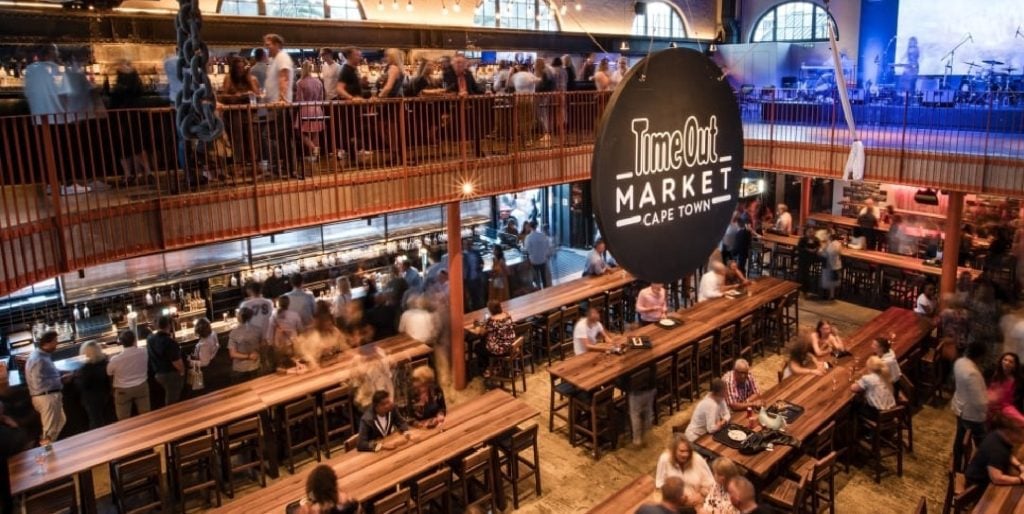
Dia Delos Muertos
1 November Timeout Market, Cape Town V&A Waterfront
Get ready for an unforgettable night at the Day of the Dead Party hosted at Time Out Market Cape Town. This vibrant celebration of Día de los Muertos blends tradition with modern flair through immersive art, electrifying music, and bold culinary experiences. Ticket prices start at R200 for Phase 2 and increase to R300 for Phase 3. For more information, visit here.
Indonesian Folk Market
1 and 2 November Indonesian Consulate, Rosmead Avenue, Kenilworth
This family-friendly market showcases Indonesian culture through food, music, and goods. Hosted by the Consulate General of the Republic of Indonesia, market-goers will be treated to delicious Indonesian dishes, unique items for sale, Batik workshops (which require pre-registration), and much more. For more information, follow @indonesiaincapetown on Instagram.
Damn Good Food Book Launch and Signing
2 November Canal Walk Auditorium hosted by Exclusive Books
Damn Good Food by Fehmz is a cookbook featuring over 80 bold and vibrant recipes, including heritage dishes, quick weeknight meals, and creative twists on classics. Now you can meet the fabulous South African author and Instagram legend, Fehmida Jordaan, fondly known as Fehmz, during her book launch and signing. The two-hour event (from 11am to 1pm) will feature the author in conversation with Karen Dudley as they chat all things food and flavour in what’s sure to be a fun and witty session. The book was created with all cooking skill levels in mind and offers foodies “foolproof” recipes to try at home. For more information, follow @fehmz on Instagram or email pr@fehmz.com.
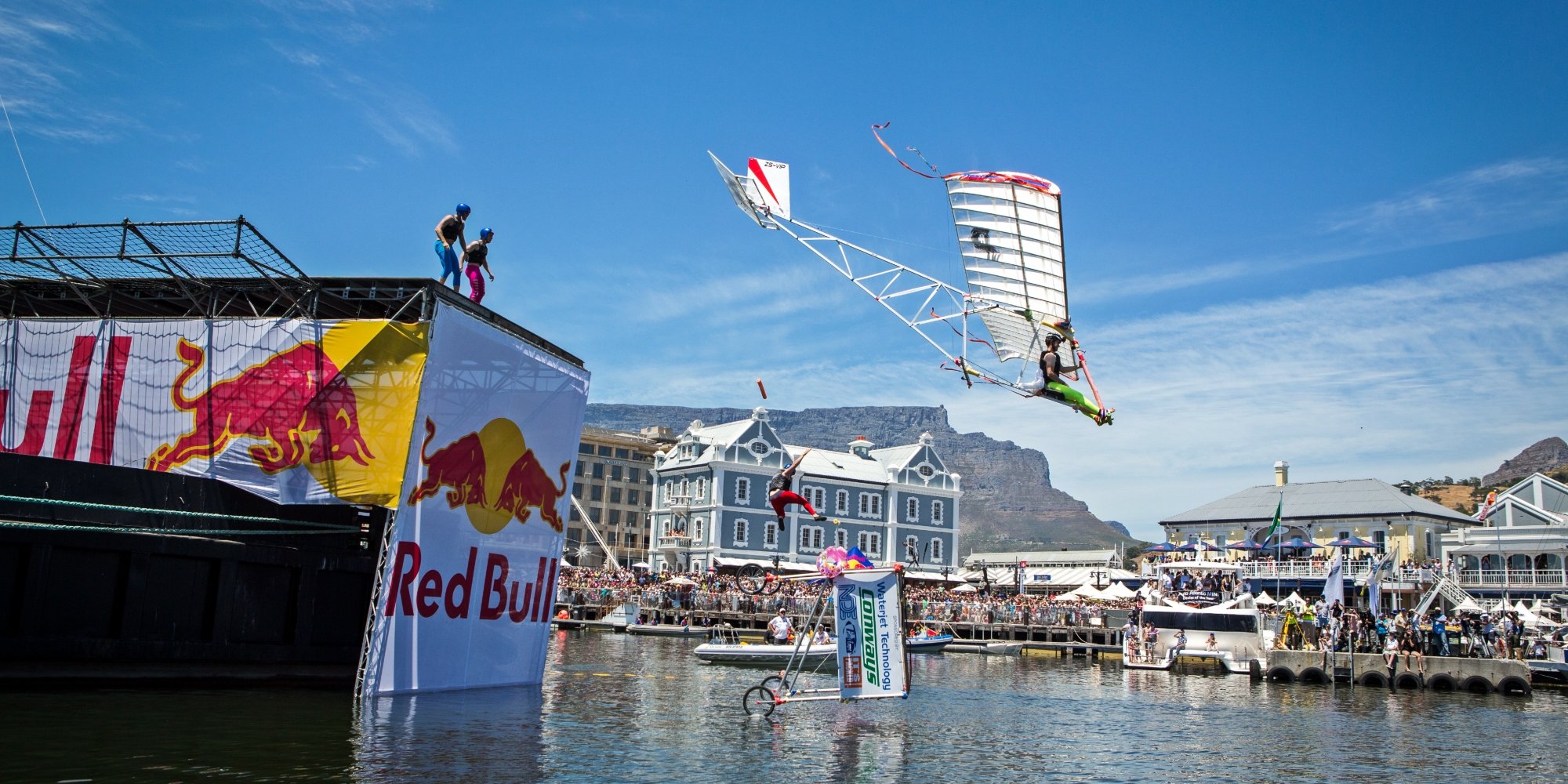
Red Bull Flugtag
2 November V&A Waterfront
Make your way to the V&A Waterfront to check out unique and daring flying machines as their wacky pilots take a leap of faith from Jetty 1 to make their dream of flying come true. Come along and watch them take the literal plunge! The event starts at 10am, with flights beginning at 12pm. Get there early to get the best viewing spots and make a day of it. More information here.
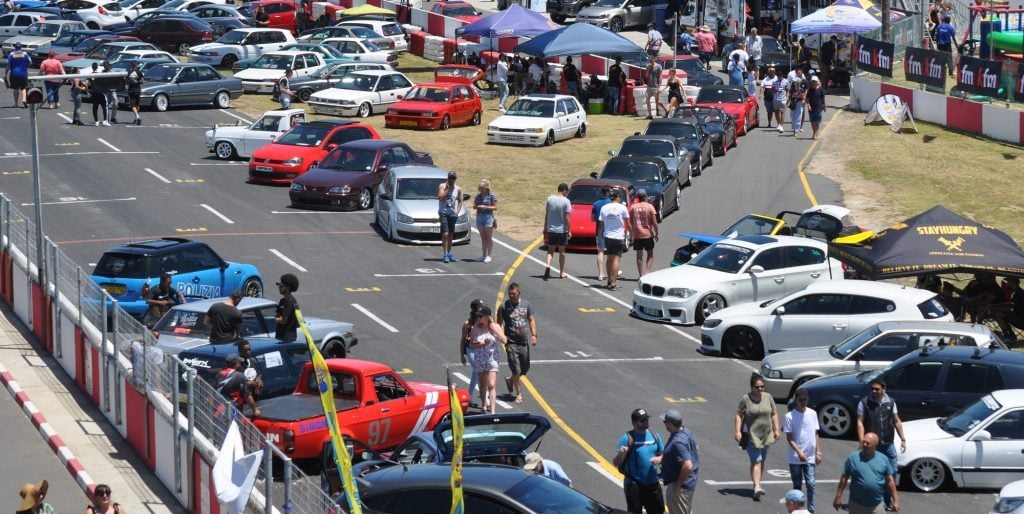
Killarney Motor Show
2 November Killarney, Table View
Get ready for a full-throttle day out at the Killarney Motor Show, hosted at Killarney International Raceway. Expect jaw-dropping car displays, wild drift and spin-out performances, off-road stunts, live music and a fun-fair zone for the little ones. It’s a celebration of street-car culture, vintage legends and high-octane action all rolled into one. Tickets from R45 at Webtickets. For more information, visit www.wpmc.co.za
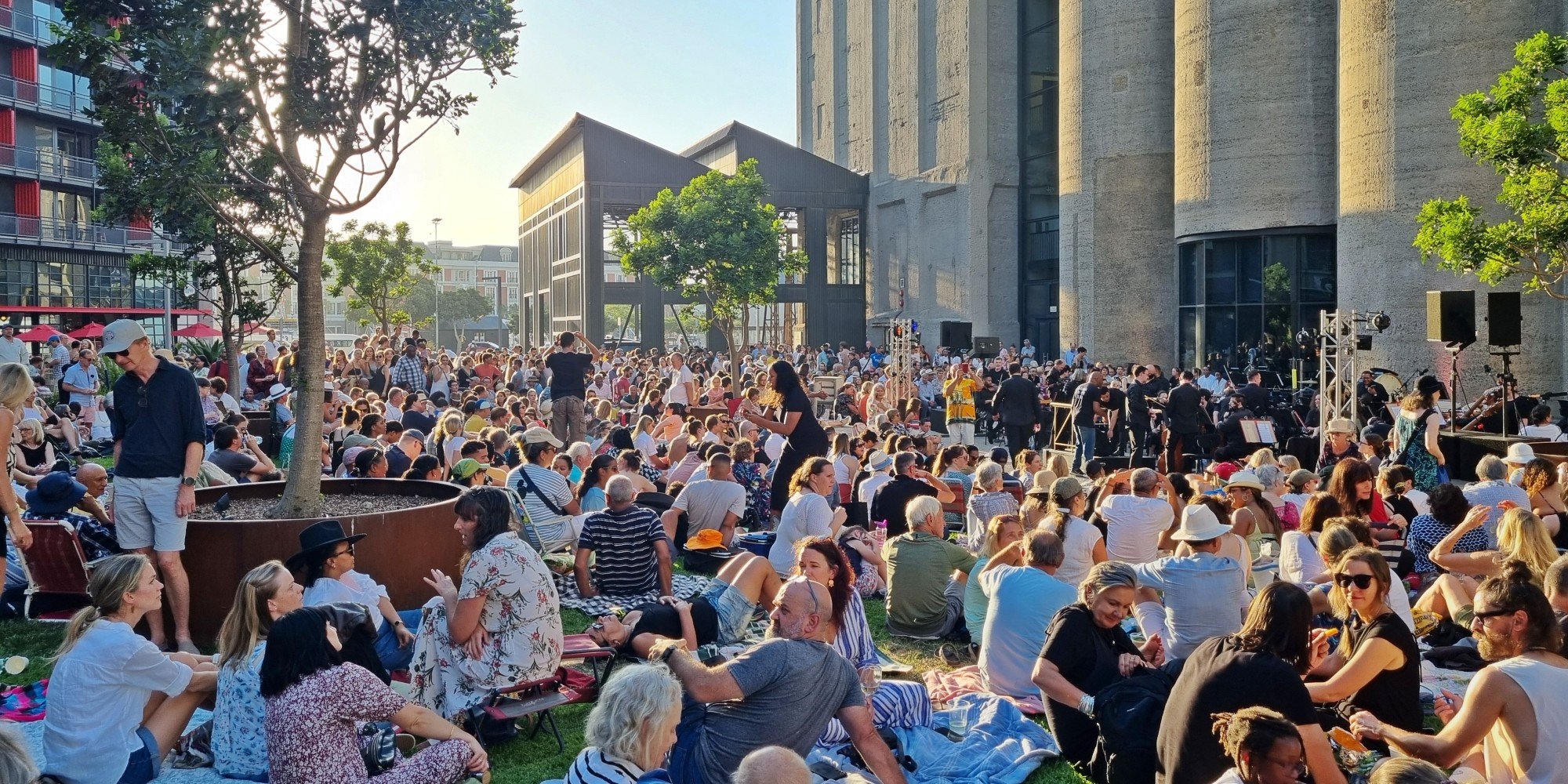
Silo Concerts: Thembi Dunjana, Kujenga and Giuliette Price
7 November Silo District
Get ready for the return of the beloved Silo Concerts 2025 – Jazz Sundown, held at the Silo District at the V&A Waterfront. This open-air evening of live jazz brings together incredible South African talent for a fun night out. Expect soulful performances beneath the iconic silhouette of the Zeitz MOCAA Museum. Bring your friends, blankets and a favourite drink, and savour music under the stars. Entry is free. More information here.
Grounded on the Green
8 November The Lawns, Camps Bay
Get ready for a serene wellness morning hosted at The Lawns, nestled at the foot of Table Mountain in Cape Town. Expect an outdoor movement class, complimentary matcha, a stylish tote bag filled with curated goodies and a delicious breakfast menu for the day. Tickets are currently available from R350 each. For info and tickets, visit here.
Credit: Anil Sharma
Makers Festival
8 and 9 November The Ostrich
It’s all hands on deck at the Makers Festival South Africa, taking place at The Ostrich. This creative celebration brings together local artisans, designers and curious minds for a weekend of crafting, learning and community. There are over 25 workshops which offer something for every skill level, from tufting and ceramics to blacksmithing and leather-making. Wander through the lively Makers Market, enjoy local food stalls, and let the little ones explore the Mini Makers zone. Tickets range from R200–R280 for day visitors to R800 for full workshop access, with weekend passes at R1500. Click here for more information and ticket details.
Experience the magic and emotion of the timeless ballet Giselle at the Artscape Theatre Centre. This emotional and visually stunning production tells the tale of love lost, betrayal and redemption through peerless dance and sweeping orchestration. Whether you’re a longtime ballet devotee or new to the form, Giselle offers a richly expressive experience in a world-class Cape Town venue. Tickets are priced from R200 to R495. Tickets at Webtickets.
Credit: Pexels – Ivan Samkov
Re-Loved Fashion Show
13 and 14 November Simon’s Restaurant Groot Constantia Wine Estate
The Hill’s Fashion Show for a Cause is a sustainable fashion event in support of TEARS Animal Rescue. Sponsored by Hill’s Pet Nutrition, it celebrates conscious creativity as top Cape Town designers transform pre-loved thrift items into couture pieces. Sharing the runway are TEARS rescue dogs in need of loving homes, adding a unique touch to this feel-good show. Hosted at Simon’s Restaurant in Groot Constantia, the evening includes drinks, canapés, and of course, dog-cuddling opportunities. Tickets start from R250 and support TEARS’ ongoing animal welfare initiatives.
Let the legendary Latin rhythm of the Gipsy Kings get you moving against sweeping views of Table Mountain. Immerse yourself in world-famous flamenco and rumba rhythms. Audiences can look forward to classics like Bamboléo and Volare, performed in the relaxed outdoor atmosphere of one of Cape Town’s most scenic wine estates. It’s a rare chance to experience the band’s distinctive sound live, surrounded by good food, wine and vineyard views. Tickets range from R695 to R1995, depending on seating and hospitality options. Get yours at Webtickets.
Italy in Town
22 and 23 November Cape Quarter
Immerse yourself in the flavours and rhythms of Italy right in the heart of Cape Town! Savour freshly made pasta, gelato, and other delights from local Italian chefs, enjoy live performances, and soak up the joyous, family-friendly energy of la dolce vita. Tickets start at just R120 per person, and children under 12 enter for free. Tickets available at Quicket.
Kirstenbosch Sunset Concerts: Mi Casa, Prime Circle and Jessie Clegg
23 and 30 November Kirstenbosch Botanical Gardens
You know summer has truly arrived in Cape Town when the Kirstenbosch Summer
Sunset Concerts makes a return. Set in the city’s most iconic garden, this annual series brings together music lovers, families and friends for unforgettable sunsets. Each weekend, the lawns come alive with local and international acts, picnic blankets, and mountain views that steal the show. Keep an eye on Kirstenbosch’s social media platforms for the full line-up and ticket details. South Africa’s favourite pop music trio, Mi Casa, will launch the season in style, lighting the stage up with soulful vocals, jazzy trumpet riffs and irresistible grooves on 23 November 2025. Find more information.
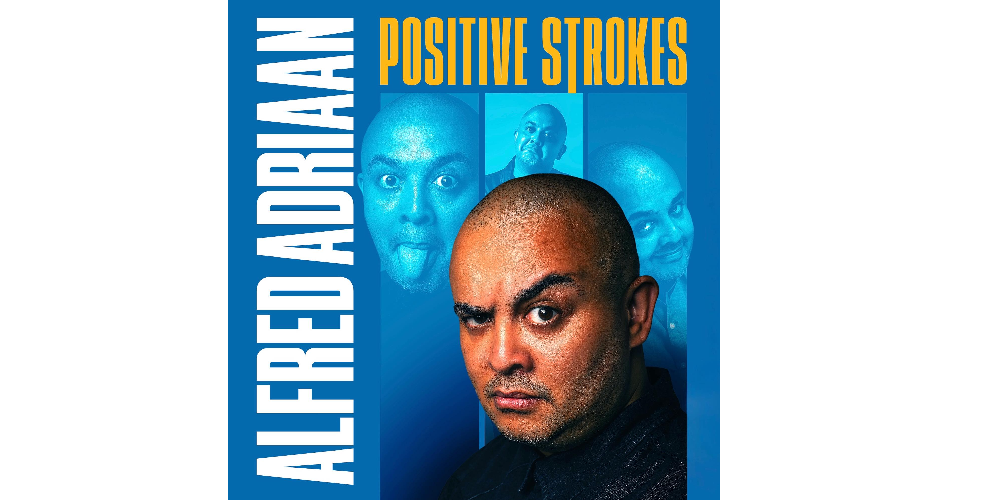
Cape Town audiences are in for a treat with Alfred Adriaan’s latest comedy performance at the Artscape Theatre. Known for his sharp wit and relatable humour, he returns to the Mother City to dish out fresh material and laugh-out-loud insights on everyday life. Tickets start from R220 via Webtickets.
Cap Classique & Champagne Festival
29 November Huguenot Monument, Franschoek
Elevate your bubbly game at the Franschhoek Cap Classique & Champagne Festival. Set in the beautiful town of Franschhoek in the Cape Winelands, just an hour’s drive from Cape Town, it’s an elegant celebration of sparkling wines, gourmet food, and stylish scenery. Your ticket, from R400 (Sunday) or R450 (Saturday), includes a souvenir champagne flute and 10 tasting tokens. Entry is strictly 18+. To make the most of the experience, why not book an overnight stay in one of the many boutique hotels or B&Bs? Get your tickets at Webtickets or visit their website.
V&A Waterfront Motorshow – All Time Classics
29 November Silo District
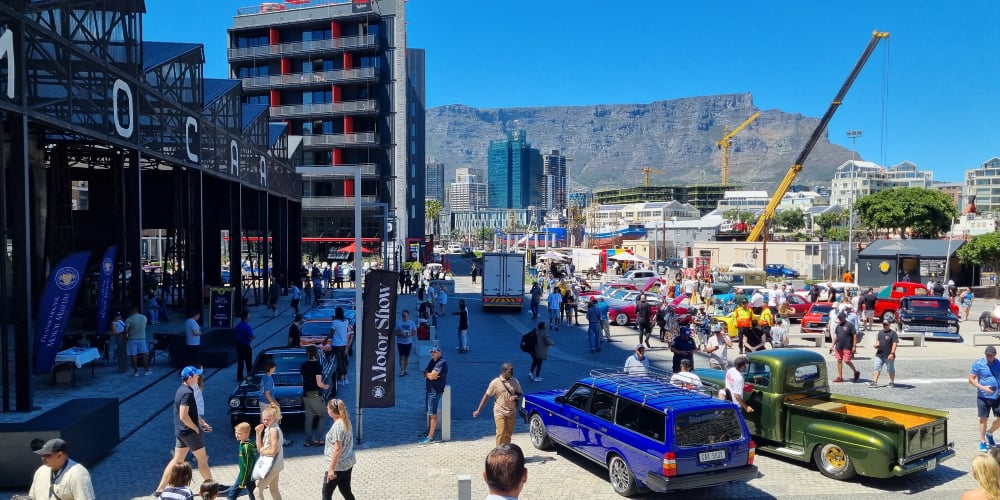
Get ready for a nostalgia-fuelled ride at the V&A Waterfront Motorshow – All Time Classics, happening in the historic Silo District. Guests will admire a sweeping selection of classic cars from the 1950s, 60s, 70s and beyond. This is an open invitation for owners and fans alike to participate. Entry is free and the event runs from 10am to 3pm. Whether you’re a proud owner or love vintage automotive design, you’ll find yourself immersed in a celebration of timeless style and automotive heritage. Interested on having your vehicle on display? Register early to secure your spot here or for more details, go to V&A Waterfront’s website.
Festival of Lights Switch On
30 November Grand Parade, Darling Street, and Upper Adderley Street
The Festive Lights Switch-On in Cape Town is a free and family-friendly celebration that marks the beginning of the city’s festive season. Held at the historic Grand Parade and along Adderley Street, enjoy live performances by some of the city’s top talent. The event draws thousands of residents and visitors alike, making it one of Cape Town’s most beloved festive traditions. The stage will be set up on the Grand Parade with City Hall as the backdrop. The party starts at 4pm until 10pm. Follow @ctfestlights on Instagram for all the details or visit here.
Social media users defend DPP’s Speaker candidate, accusing Kenani of political bias and dismissing his remarks as partisan attacks.
By Burnett Munthali
Maravi Post’s Facebook page has once again sparked heated debate following a post criticizing Sameer Suleman’s suitability for the position of Speaker of Parliament.
The original post stated that Suleman was “not fit for the position of Speaker,” alleging that the Democratic Progressive Party (DPP) was using its political and financial influence to push him forward for selfish reasons rather than for the good of the nation.
The post ended with a call to Members of Parliament, urging them to “act wisely” in their voting decisions.
However, reactions from readers poured in quickly, with many rushing to defend Suleman while turning their criticism toward Onjezani Kenani, whom they accused of being politically biased.
One reader remarked that it is common knowledge that Onjezani Kenani is affiliated with the Malawi Congress Party (MCP) and therefore harbors resentment toward the DPP.
Another commenter argued that the people had deliberately chosen to vote against the MCP and that Kenani’s opinions would not change the outcome.
Some even hinted that the controversy surrounding Suleman’s candidacy had created fear among certain quarters, referring to it as the “black box” situation.
Several users dismissed the original post as mere political propaganda, accusing Kenani and others aligned with the MCP media team of attempting to tarnish Suleman’s reputation.
“Media team ya congress youma mitu,” one commenter wrote, implying that the MCP media team was out of ideas.
Other users challenged Kenani directly, asking what exactly made Suleman unfit for the Speaker’s role, with one writing, “Iye watani sangakwanitse chani?”—questioning his alleged shortcomings.
Some comments took a more personal tone, mocking Kenani and suggesting that he was only seeking attention.
A few even warned him that his statements could lead to defamation lawsuits, with one saying, “Mumangidwatu nazo za ma defamation! Wayankhulira kutiko zimenezo, Onjezani?”
Another reader accused Kenani of being immature and not ready for political discourse, saying, “Ana mwachepa mukodza simunati.”
A number of commenters praised former President Peter Mutharika, claiming that he remains a capable and wise leader, with one declaring, “Muthalika saphonyatu.”
Some accused Kenani of rushing to criticize without evidence, writing, “Ndiye mwafulumira kulirakotu.”
Others implied that Kenani might have been financially motivated in making his post, asking bluntly, “Iweyo walandila zingati?”
A more spiritual response came from another user who wrote, “Ambuye akukhululukile,” meaning, “May the Lord forgive you.”
Despite the heated exchanges, some readers appeared confident that the DPP would triumph, remarking, “Muchita manyazitu atawina”—suggesting that Kenani would be embarrassed once Suleman wins.
In closing, one commenter summed up the prevailing sentiment among DPP supporters by asking, “Onjezani Kenani, mwayambamso kujiya ya Kongiresi kodi? MCP never.”
The discussion highlights the deep political polarization that continues to define Malawi’s online spaces, where every statement about national leadership quickly turns into a partisan battlefield.
While Onjezani Kenani’s post sought to question Suleman’s fitness for the Speaker position, it instead ignited a wave of reactions that exposed entrenched loyalties and the intense rivalry between Malawi’s two dominant political camps, the DPP and the MCP.
With Malawi reeling from corruption, poor governance, and lost public trust, Peter Dimba’s candidacy for Speaker of Parliament symbolizes everything wrong with the current political order.
By Burnett Munthali
The Malawi Congress Party (MCP) has reached a point where its moral authority to lead is in question.
Years of poor governance, corruption, and a blatant disregard for the rule of law have stripped the party of the trust and goodwill it once enjoyed from Malawians.
At the center of this decline stands the party’s decision to front Peter Dimba for the position of Speaker of Parliament — a move that perfectly captures MCP’s tone-deafness to public sentiment.
Dimba’s candidacy does not represent reform, integrity, or renewal.
Instead, it reflects a desperate attempt by a crumbling administration to tighten its grip on the very institution meant to keep it in check.
The position of Speaker is one of immense national importance, requiring impartiality, dignity, and a deep sense of justice.
Dimba, however, has shown none of these qualities in his political career.
As a senior figure within the MCP, he has often acted more like a political enforcer than a guardian of parliamentary independence.
He has repeatedly defended questionable government actions, protected party interests, and silenced legitimate criticism from opposition members and civil society.
His record on accountability is dismal — marked by selective oversight, partisan bias, and an unwillingness to challenge executive abuse.
Allowing Peter Dimba to become Speaker would mean handing Parliament — the people’s house — to the same political forces that have undermined governance and institutional integrity in Malawi.
The MCP government’s failures are well-documented.
From corruption scandals and misuse of public funds to the collapse of key social services, the party has presided over a period of unprecedented national frustration.
Public confidence in leadership has been eroded, not by external forces, but by the arrogance and self-interest of those entrusted with power.
Peter Dimba’s rise to the Speakership would only deepen that disillusionment.
It would signal that loyalty to a failing regime is valued more than competence, fairness, or moral courage.
Malawi cannot afford a Speaker who serves the party first and the people last.
The role demands a leader who can rise above politics — someone who respects all voices, enforces parliamentary order, and upholds the constitution without fear or favor.
Dimba’s track record suggests the opposite.
His close ties to the MCP leadership make it impossible to imagine him presiding over Parliament without bias or interference.
If elected, Dimba would not unify Parliament; he would divide it further, turning every debate into a partisan battlefield.
This is not the leadership that Malawi’s fragile democracy needs at this critical hour.
Members of Parliament must remember that the Speakership is not a reward for loyalty — it is a sacred trust.
Voting for Peter Dimba would be a betrayal of that trust and a clear sign that lessons from the past five years of failure have not been learned.
Malawi deserves a Speaker who will restore confidence in Parliament, not one who will drag it deeper into the shadows of partisanship and corruption.
Peter Dimba is not that leader — and his candidacy is an insult to the principles of accountability, justice, and service that Parliament was meant to uphold.
Malawi stands at a pivotal crossroads as the parliament faces the urgent task of appointing its new speaker, deputy speaker, and second deputy speaker.
The leadership of these positions is not merely symbolic; it shapes the very foundation of our nation’s legislative integrity, governance, and democratic progress.
President Peter Mutharika’s appointments of Sameer Suleman as speaker, Victor Musowa as deputy speaker, and Jolobala as second deputy speaker are not only timely but necessary for Malawi’s future stability and prosperity.
These individuals embody the qualities of dedication, visionary leadership, and unwavering commitment to the people of Malawi, and their appointment would be a beacon of hope and progress.
From the outset, Sameer Suleman stands out as a figure of exceptional capability and integrity.
His experience and profound understanding of parliamentary processes make him the ideal candidate to steer Malawi’s legislative agenda with fairness and transparency.
Suleman’s reputation for impartiality and wisdom in navigating complex political landscapes positions him as a leader who can unify diverse political factions.
In a country where political divisions have too often undermined progress, Suleman’s leadership will foster collaboration and mutual respect among parliamentarians, ensuring that laws enacted truly reflect the will and welfare of Malawians.
Victor Musowa’s appointment as deputy speaker complements this vision perfectly.
Known for his steadfast dedication to public service and a reputation for ethical governance, Musowa brings a wealth of experience in legislative affairs and community engagement.
His ability to listen empathetically and act decisively will strengthen parliamentary debates and enhance the quality of decision-making processes.
As deputy speaker, Musowa will serve as a vital pillar supporting Suleman, promoting transparency and accountability at every turn.
Jolobala, as second deputy speaker, adds yet another layer of competence and balance to the leadership team. His commitment to inclusivity and grassroots empowerment reflects the spirit of a truly representative parliament.
Jolobala’s proactive approach to addressing local concerns and championing marginalized voices ensures that the parliament remains connected to the everyday realities of Malawians.
Together, these three leaders form a powerhouse of integrity, wisdom, and dedication that Malawi cannot afford to overlook.
In stark contrast, the candidacy of Kondwani Nankhumwa raises serious concerns about the direction Malawi’s parliament might take if he were to be elected. Nankhumwa’s tenure as leader of the opposition was marked by actions that many Malawians viewed as betrayal and inconsistent with the promises made to the electorate.
His leadership was often characterized by political maneuvering that seemed to prioritize personal or party interests over national unity and progress.
Trust, once broken in such a critical role, is difficult to restore, and Nankhumwa’s track record suggests he may not prioritize the impartiality and fairness required of a parliamentary speaker.
Moreover, the Malawi Congress Party (MCP) candidate also faces significant skepticism. While political diversity is essential in a thriving democracy, leadership roles of this magnitude demand individuals who transcend party lines and demonstrate an unwavering commitment to the nation’s collective good.
The MCP candidate has not yet demonstrated the level of statesmanship and cross-party collaboration necessary to inspire confidence across the entire parliament. Malawi needs leaders who put country above party, and at this juncture, the evidence tilts in favor of Suleman, Musowa, and Jolobala.
Malawi’s parliament is more than a legislative body; it is the heartbeat of democracy and the guardian of the people’s voice.
The speaker and deputy speakers are entrusted with the monumental responsibility of ensuring that this heartbeat remains strong, steady, and inclusive.
The appointments of Suleman, Musowa, and Jolobala represent a commitment to ethical leadership, visionary governance, and national unity.
Their proven track records affirm that they will uphold the dignity of the parliament and work tirelessly to advance Malawi’s development agenda.
This is a defining moment for Malawi.
The parliament’s choice will reverberate through the country’s political landscape and impact generations to come.
By voting for Sameer Suleman as speaker, Victor Musowa as deputy speaker, and Jolobala as second deputy speaker, parliamentarians will be endorsing a future of integrity, collaboration, and progress. Conversely, the nation cannot afford to risk reverting to divisive politics and questionable leadership that have hindered Malawi’s aspirations. The time to vote wisely, honorably, and boldly is now—Malawi deserves nothing less.
The role of the Speaker of Parliament in any democratic nation is pivotal, serving as the guardian of legislative integrity, fairness, and the voice of the people.
In Malawi, this role demands an individual of impartiality, respect, and commitment to democratic principles. However, the recent emergence of Peter Dimba, the Malawi Congress Party (MCP) candidate for Speaker, raises serious concerns.
Many argue that Dimba is merely a shadow of Catherine Gotani Hara, the former MCP Speaker, whose tenure is widely regarded as one of the worst not only in Malawi but across the African continent.
Given this legacy, it is clear that Malawi does not need another MCP candidate to assume this critical post, especially when the party’s recent conduct has drawn comparisons to terror groups in terms of intimidation and divisiveness.
Peter Dimba’s candidacy is troubling primarily because he symbolizes a continuation of the same leadership style that failed the Malawian Parliament under Gotani Hara.
Gotani Hara’s period as Speaker was marked by accusations of bias, lack of fairness, and a tendency to silence opposition voices rather than foster inclusive debate.
The Speaker ought to be a neutral arbiter, yet during Gotani Hara’s tenure, the MCP was perceived to wield parliamentary power as a weapon against dissent, undermining the democratic process.
This approach damaged the credibility of Malawi’s legislative body and eroded public trust in political institutions.
Dimba’s political profile and public statements suggest he mirrors this partisan approach. His alignment with MCP’s aggressive tactics and rhetoric does not inspire confidence that he would act impartially.
Instead, there is a palpable fear that he would continue the pattern of suppressing and manipulating parliamentary procedures to favor MCP’s interests.
This is antithetical to the spirit of the Speaker’s role, which should transcend party lines and uphold the rights of all parliamentarians equally.
Moreover, MCP’s recent political behavior has increasingly resembled that of a terror group, akin to Hamas in terms of intimidation and disruption.
The party’s actions on the streets and within political processes have often been aggressive, causing unrest and fear rather than fostering peace and constructive dialogue.
This atmosphere of hostility undermines Malawi’s political stability and threatens the country’s democratic progress.
Entrusting the Speaker’s role to a figure from such a party risks further entrenching these negative dynamics in the heart of Malawi’s governance.
Parliament should be a place where ideas are contested respectfully, where debate enlightens policy, and where the rights of minority voices are protected.
The Speaker should be the embodiment of fairness, guiding proceedings with wisdom and restraint.
A Speaker who acts as a partisan enforcer, as Gotani Hara did, damages the institution and, by extension, the country’s democratic fabric.
Electing Peter Dimba, who is perceived as a continuation of that same problematic leadership, would be a step backward for Malawi.
The damage caused by MCP’s domination of the Speaker’s office is not theoretical; it has real consequences for the Malawian people.
When parliamentary debates are stifled or conducted under a cloud of fear and bias, policy-making suffers.
Critical issues such as economic development, education, health, and human rights may be sidelined or inadequately addressed because opposition parties and dissenting voices are marginalized.
This harms the nation’s ability to respond effectively to its challenges and undermines citizens’ confidence in their leaders.
Furthermore, the international community watches Malawi’s governance closely, and the reputation of its parliamentary leadership matters.
A Speaker associated with partisanship and intimidation damages Malawi’s standing as a democratic nation committed to good governance.
This can impact foreign investment, aid, and diplomatic relations, all of which are vital for the country’s development.
It is essential to recognize that the problem is not with Peter Dimba as an individual alone, but with what he represents: the perpetuation of MCP’s flawed approach to leadership in Parliament.
Malawi needs a fresh start, a Speaker who can restore faith in the institution by demonstrating impartiality, respect for democratic norms, and a commitment to inclusive governance.
The Speaker’s office should be a place where every member of Parliament, regardless of party affiliation, feels heard and respected.
It should be a forum for honest and open debate, not a battleground for partisan dominance.
Electing a candidate from a party that has shown tendencies toward aggressive and divisive tactics threatens this ideal.
Malawi must choose a Speaker who can unite rather than divide, who can build bridges rather than walls.
The candidacy of Peter Dimba for Speaker of Malawi’s Parliament is fraught with risks that Malawi cannot afford.
His connection to MCP, a party whose behavior has been likened to terror groups in terms of intimidation and disruption, coupled with his apparent similarity to the widely criticized Catherine Gotani Hara, makes him an unsuitable candidate for this vital role.
Malawi deserves leadership in Parliament that prioritizes fairness, democratic principles, and national unity.
The choice of Speaker should reflect the aspirations of a nation striving for progress, peace, and inclusive governance—not a repeat of a troubled past.
Malawi must look beyond partisan lines and reject candidates who embody divisiveness and bias.
The future of the country’s democracy depends on it.
 1 November
 Timeout Market, Cape Town V&A Waterfront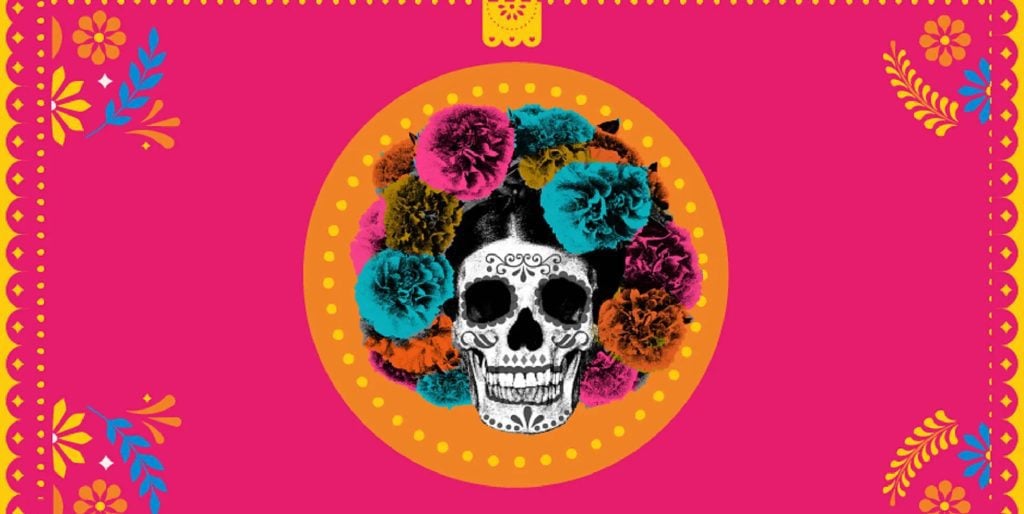



 (@makersfestival_sa)