Central Group brings back ‘Million Gifts Million Smiles’ campaign

The prolonged unrest in Thailand’s southern border provinces continues to affect the mental well-being and quality of life of local residents, especially children and young people who must grow up amidst uncertainty and daily concerns for safety. …

The prolonged unrest in Thailand’s southern border provinces continues to affect the mental well-being and quality of life of local residents, especially children and young people who must grow up amidst uncertainty and daily concerns for safety.

Driven by the belief that love, care and compassion can bring hope and strength to young hearts, Central Group is once again launching the “Million Gifts Million Smiles – From the Hearts to the Smiles” campaign, now in its 16th consecutive year. In collaboration with the Royal Thai Army and nationwide partners, the campaign invites people across Thailand to share their kindness by sending gifts to children and youth in the southern border provinces, as well as children in other parts of the country, as part of the New Year and National Children’s Day 2026 celebrations.

Central Group is the first retail organisation to initiate a gift-giving campaign for children in the southern border provinces during New Year and Children’s Day, in long-standing partnership with the Royal Thai Army. Over the years, more than 2.3 million gifts have been delivered nationwide — an achievement the Group takes great pride in, knowing it has helped uplift and empower countless children in the region.

How to Participate: Two Main Ways to Share Smiles Gift it Forward – Donate New, Unused Gifts

Drop-off Point: CentralWorld, 2nd Floor, Rest Area (Entrance to Central Department Store) — now until Dec 20

Parcel Delivery: Central Group New Distribution Center (New DC), Bangna-Trad KM.19 17 — now until Dec 20, 9am to 5pm

Share it Forward – Make a Donation for Gift Purchases (For sports equipment, school supplies, toys, and more for children in the southern provinces and other regions) — now until Jan 10.

Donation channels include QR Code via Mobile Banking (available across Central Group businesses), bank transfer: Tiang Chirathivat Foundation, Bangkok Bank, Silom Branch Savings Account No. 118-0-58203-1 (Eligible for 1x tax deduction) and donations via CenPay counters. Donation boxes are also available at over 491 points nationwide within Central Group businesses.

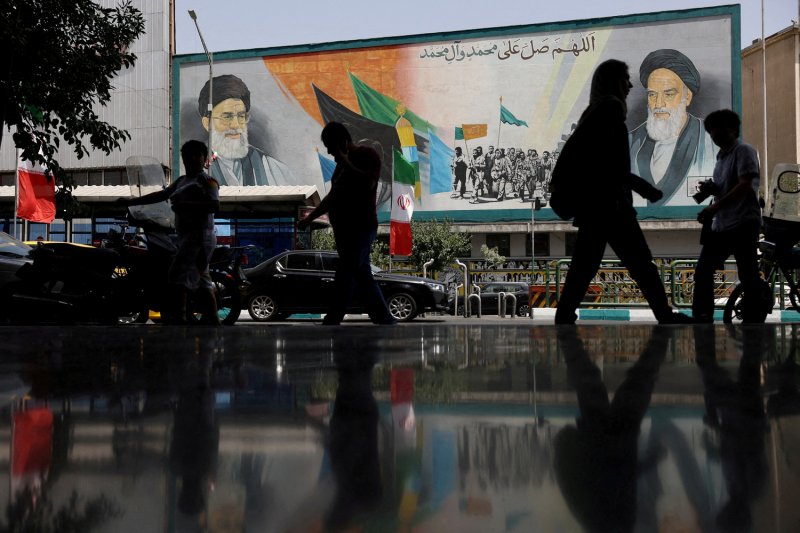
Iran: Drought, incompetence, revolution?

Photo: REUTERS

Photo: REUTERS
Photo: REUTERS

Twenty years of strict sanctions on Iran by both the United States and the United Nations did not bring down the regime of the ayatollahs. Half a dozen major waves of non-violent protest involving several thousand deaths have not brought it down either. Even last June’s massive bombing campaign by Israel and the US did not bring it to heel.

But the lack of water may do what all those other challenges failed to do: destroy the rule of the religious extremists who seized power in Iran in 1979 and have turned the country into an international pariah. The oldest part of every religion is purely transactional, and in Tehran, the imams are praying for rain.

They should pray quite hard, because President Masoud Pezeshkian warned last month that, “There is no water behind the dams. The wells beneath our feet are also running dry….If it doesn’t rain, we’ll have to start rationing water in [November]”.

Well, it hasn’t started raining yet, and we are running out of November, so what should people do next? “If the lack of rainfall continues past that, we simply won’t have water and will have to evacuate Tehran,” Mr Pezeshkian said. All ten million people? Where would the government put them, given that the other 80 million Iranians are also suffering from a drought now in its fifth year?

Nobody knows. If Mr Pezeshkian sounds well-intentioned but hopeless and basically useless, that’s because he’s not really the government. For the past 45 years, all the big decisions in Iran have been made not by the elected parliament but by the unelected ‘Supreme Leader’, a role that has been filled since 1989 by Ayatollah Ali Khamenei.

Ayatollahs are the supreme religious authorities in the Twelver strand of Shia Islam that prevails in Iran and Iraq. They are not necessarily secular leaders, but in the turbulent aftermath of the Iranian revolution of 1979, which overthrew the monarchy, an ayatollah called Ruhollah Khomeini sought and gained absolute power in Iran.

Khomeini only lasted 10 more years, but his designated successor, Ali Khamenei, is still in office 36 years later at the age of 86. As one would expect, he heads a regime that sees matters of faith and morals (like ensuring that women’s hair is properly concealed) as more important than mere material concerns like looking after the water supply.

This general neglect of practical matters by the regime also opened the door to widespread corruption among those in charge of the economy, which partly explains why Iran’s GDP per capita is still stuck at about the same level as it was in 1985. The other reason is the sheer incompetence of even those officials who don’t take bribes.

Iran is a mostly arid country with tens of millions of farm families, so it would make sense to import crops that need a lot of water, like rice, from abroad while growing less thirsty crops at home. After all, a well-run Iran would have lots of oil money to pay for food imports.

Instead, the government has aimed at ‘strategic self-sufficiency’, including in food, and the amount of land being cultivated has doubled in thirty years in some areas. There are around a million deep wells (80-200 metres) for irrigation, and groundwater is vanishing. Subsidence is now as big a problem in Iran as in the areas of the Arctic that are losing permafrost.

Now add in an unprecedented multi-year drought that is hitting city dwellers as well as rural people. Rainfall was down by almost half in last year’s rainy season, so there was very little water left behind the dams when the winter rains failed to arrive in late October this year.

The great unspoken fear in the minds of Iranians who are paying attention is that this may not be just wayward weather. It could be the leading edge of permanent climate change: five years is a long time for a random deviation from the norm.

In the shorter run, however, it could be the trigger for an uprising that finally dispatches a regime that has overstayed its welcome. All the other challenges to the regime over the years could be blamed on wicked and godless foreigners who were stirring up impressionable locals, but this problem is entirely home-grown. No excuses available.

There are no reliable opinion polls in Iran, but the best guess is that after 45 years, at least half the population of Iran actively dislikes the regime, while most other people just accept it as inevitable. If the rain doesn’t come soon, and especially if they start evacuating cities, a decisive shift in the balance of opinion is entirely possible.

Tackling Asean grid’s $800bn challenge

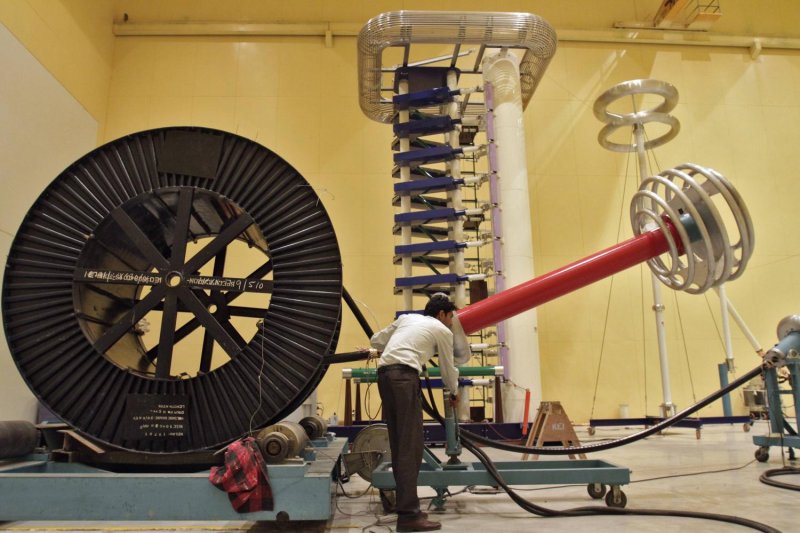
An employee works inside the power-c…

An employee works inside the power-cable-testing laboratory for insulation at Kei Industries, in this Aug 6, 2012 file photo. (Photo: Reuters)

Every energy planner must balance the “trilemma” of security, equity, and environmental sustainability.

As Southeast Asia becomes the world’s second-fastest-growing electricity market, the region faces two main paths.

One is to commit to massive infrastructure to import Liquefied Natural Gas (LNG), framing it as a “transition fuel”. This is a move that risks locking our economies into decades of global price volatility, potential cross-border carbon taxes, and billions in stranded assets. The other path is accelerating renewable energy adoption, which requires a major update of the regional grid.

The Asean Power Grid (APG) is the key physical infrastructure for this energy transition. It is the ultimate solution to this energy trilemma. An efficient grid would enable the region to harness its vast but geographically dispersed renewable energy resources. A fully integrated grid lets this clean power be shared efficiently and in an optimal way.

For example, when solar generation is high in one area, the surplus can be exported to areas where demand is peaking.

The APG enhances regional energy security. A larger, more flexible grid system reduces the region’s dependence on lopsided imports of fossil fuels, and that will make the energy market in the region more resilient. Imagine when countries can share power with their neighbour during a technical failure or an extreme weather event.

$3tn economic prize

A study by the Economic Research Institute for Asean and East Asia (ERIA) estimates that the APG energy trade and supply could lower electricity costs for consumers in the region by as much as 3.9%. At the same time, the whole APG project could add up to US$3 trillion (97.5 trillion baht) in GDP value by 2050 and create 1.45 million jobs regionally.

The APG has been a strategic Asean goal since the 1990s, with an audacious aim of connecting the region’s networks by 2045. Progress has been steady. As of late 2024, nine of 18 priority projects are operational, translating to 7.7 gigawatts (GW) in capacity.

However, this is only a fraction of what is required. This capacity must be more than doubled by 2040 to support regional growth, according to the Asean Centre for Energy (ACE). This need is even more urgent as Southeast Asia becomes a global hotspot for data centres, which require vast amounts of stable, clean electricity.

This is not only a regional problem but also presents an acute challenge for Thailand. While the data centre investment is welcome, news reports have highlighted growing concerns about grid strain and the potential for power instability.

Thailand’s current role in the APG is as the region’s central “interconnector”, for example, through the Laos-Thailand-Malaysia-Singapore Power Integration Project (LTMS-PIP). However, the APG is no longer just a source of transit fees.

If Thailand is to achieve its 2050 net-zero target, per its recently published NDC 3.0, a high level of renewable generation is a must. Supporting this national target while simultaneously meeting the high electricity demand from new data centres will depend heavily on a fully functional and expanded APG.

The primary obstacle is not vision, but finance. The Asean Interconnection Masterplan Study (AIMS) estimates that $800 billion (26 trillion baht) is required for the necessary transmission and power generation with high levels of variable renewable energy adoption.

Recognising this gap, the Asian Development Bank (ADB) and the World Bank Group, in partnership with the Asean Secretariat and ACE, launched the Asean Power Grid Financing Initiative (APGF) in October. This platform aims to mobilise large-scale capital by offering technical assistance to prepare bankable projects.

The Bankability Problem

The new APGF is a crucial starting point, but it is not a complete solution for an $800 billion challenge. As the International Energy Agency highlights, the cost of capital in Asean remains significantly higher. Public finance alone is insufficient.

The core task is “crowding in” private capital, which is difficult because these projects are inherently risky: they have massive upfront costs, long payback periods, and are highly illiquid.

Therefore, Asean must leverage this new platform to deploy a proven toolbox of innovative financing instruments, drawing lessons from global successes.

First, we need an innovative framework that protects both private investors and consumers. Under this model, regulators set a revenue floor, guaranteeing the project a minimum income to make it bankable. They also set a cap, which returns excessive profits to consumers.

This model, used to finance the €1.6 billion (60 billion baht) North Sea Link interconnector between the UK and Norway, balances risk and has successfully unlocked billions in private capital by giving lenders the revenue predictability they need.

Next, Asean must implement blended finance to bridge the remaining risk gap. For instance, Partial Risk Guarantees (PRGs) are the ideal tool to solve the problem of creditworthiness for some state-owned utilities.

Another key tool is First-Loss Capital, where public funds take a first-loss position, absorbing initial losses before private lenders are affected. Such an approach can make the investment less risky for investors, thus attracting much-needed private investment.

Asean can also expand its sustainable bond market. In 2024, this market grew by double digits. Under this, Asean+3 stands as the second-largest sustainable bond market globally, following the European Union.

The latest version of the Asean Taxonomy for Sustainable Finance considers grid infrastructure — including transmission and distribution — as “green” provided it enables the integration of renewable power. This gives us a direct, certified tool to attract a new class of global ESG investors to fund APG projects and may mitigate the high capital cost issues.

Finally, Asean should consider creating a dedicated regional fund, modelled on Europe’s Connecting Europe Facility (CEF). The CEF provides direct grants for projects with high societal benefits but low commercial returns. For example, the €1.6 billion Celtic Interconnector between Ireland and France received a €530 million CEF grant. This public co-investment covered one-third of the cost, making it bankable for a syndicate of private lenders that included Danske Bank, Barclays, and BNP Paribas. An Asean-led fund could serve the same catalytic role for our most strategic interconnectors.

The Political Inertia Challenge

However, beneath the financial challenge lies a deeper hurdle: political inertia. As South America’s experience shows, the primary barriers can be political fragmentation and regulatory disharmony.

Their solution was to use funding for the soft infrastructure first — the technical studies and negotiations to harmonise rules and agree on fair cost-benefit allocations. This political and regulatory groundwork is the essential prerequisite for any financing.

We must now wield these tools with urgency. Financing the APG is not just an infrastructure project; it is the most critical economic decision we can make to accelerate the renewable energy adoption, resolve our energy trilemma and secure a truly sustainable and independent energy future for the region.

Asean must grab its rare-earth shot

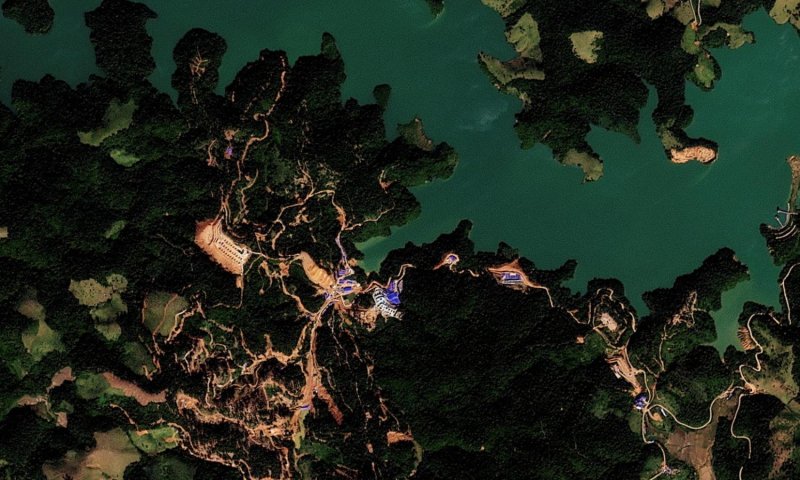
Rare-earth mining activity at the Na…

Rare-earth mining activity at the Nam Ngiep Reservoir, Mekong Tributary, in Xiangkhouang province, Laos, on Nov 15. (Photo: Reuters)

US President Donald Trump’s return to Southeast Asia last month felt like a rerun — tariffs, tough talk, and televised deals. But this time, he left behind more than headlines. From Kuala Lumpur to Hanoi, Mr Trump inked trade pacts promising tariff relief on US exports in exchange for joint ventures in mining and refining the rare-earth minerals that power the world’s clean-tech boom.

The timing could not have been sharper. Just days earlier, Beijing had moved to expand export restrictions on rare-earth compounds and semiconductor materials under MOFCOM Announcement No.61. With China refining roughly 92% of the global supply, the shock rippled fast — NdPr oxide prices jumped about 40% in two months, and automakers scrambled for magnets. Ford idled production lines in June; Volkswagen flagged fresh delays in October.

At the Apec summit in Busan on Oct 30, Mr Trump and Chinese President Xi Jinping reached a temporary truce. Washington cut some tariffs by 10 per cent; Beijing suspended the new export controls until late 2026. For the Association of Southeast Asian Nations (Asean), this pause is a breathing space, but also a warning that the region’s fate in the clean-energy race cannot hang on decisions made in Washington or Beijing.

The numbers tell the story. Asean’s critical-minerals trade could top US$32 billion (1.04 trillion baht) by 2030, yet most ore still ends up in China for processing. Vietnam has around 3.5 million tonnes of reserves, plus the region’s only operating light-rare-earth refinery. Indonesia has launched a Mineral Industry Agency to channel nickel experience into rare-earth refining. Malaysia, Thailand and Cambodia are following with smaller ventures.

These shifts mark a quiet but significant rebalancing. Rare earths are no longer just a niche industrial issue. They are now a test of regional resilience. If Asean can build an integrated network for mining, refining and recycling, it could position itself as the neutral ground in a fragmented global economy.

Of course, this won’t be easy. Rare-earth processing is capital-intensive and environmentally messy. Indonesia’s nickel projects already face pushback over pollution and labour issues, and few governments have clear safeguards in place. China’s early dominance came at a heavy ecological cost; Southeast Asia must avoid repeating it. There’s also the political question: Can Asean move collectively? The idea of a Rare Earth Working Group, floated in Busan, hints at a path forward — pooling about $10 billion via the Asian Development Bank for regional surveys and hydropower-based joint refineries in Laos. It’s the kind of pragmatic cooperation that served the bloc well during the pandemic.

Japan could be the game-changer. Its carmakers rely heavily on rare-earth imports, and its government’s Free and Open Indo-Pacific agenda fits neatly with Asean’s diversification drive. Honda and Toyota are already scouting Vietnamese sites for EV battery plants. A Japan-backed consortium could bring both financing and environmental discipline, turning Asean’s mineral wealth into a shared strategic asset rather than a contested one.

Global demand for rare earths is expected to triple by 2030 as electric vehicles, wind turbines and clean-energy storage take off. The Trump–Xi truce might last months — or unravel overnight. Either way, the message is clear: Southeast Asia can no longer remain a passive link in someone else’s supply chain.

If Asean acts now — coordinating policy, enforcing environmental standards, and investing in its own processing capacity — it can move from vulnerability to leadership. The region missed the semiconductor wave decades ago. It can’t afford to miss the rare-earth one.

Rein in online stars

When citizens resort to l…

Rein in online stars

When citizens resort to legal action against social media influencers for misinformation, dangerous stunts, or inappropriate behaviour, it is time to discuss curbing such behaviour online.

A recent trail of controversies shows that the unchecked rise of influencers monetising provocative or unsubstantiated content has become a genuine concern, as their influence can inflict real harm on people and industries.

The first case involves content creator Jaturong Papho, better known as Jack Papho. With millions of followers across Facebook and TikTok, Jack Papho met a ferocious backlash after posting a video of himself dancing shirtless on the roof of a car in front of a Lawson convenience store in Japan with Mount Fuji featured in the background.

This particular convenience store location has become infamous for incidents of tourism-related misconduct. At one point, local authorities temporarily installed a black screen at the location to block views of Mount Fuji and discourage those tourists who had upset locals with their bad behaviour, including jaywalking, littering, ignoring traffic, and climbing on roofs and traffic signs for better photo angles.

Jack Papho’s video, captioned “They may look down on me, but I don’t care”, spurred condemnations from both Thai and Japanese netizens. Comments ranged from cautioning the YouTuber to respect local customs to disparagement that this kind of behaviour has brought shame to Thailand.

The controversy escalated to the point that some social media users called on the Thai embassy in Tokyo to revoke Jack Papho’s passport. Even Foreign Minister Sihasak Phuangketkeow and Tourism and Sports Minister Atthakorn Sirilatthayakorn joined the fray, urging Thai travellers to respect the laws and cultural norms of the countries they visit.

The second scandal concerns misinformation. An online forum hosted by media personality Wuthithorn “Woody” Milintajinda featured panellists, including influencers, who suggested that Thai cow milk was inferior to foreign products.

The claim forced Thai dairy farmers, experts, and the Agriculture and Cooperatives Minister, Capt Thamanat Prompow, to defend local milk quality, reassuring consumers that Thai cow milk is safe, pure, and meets international nutritional standards. Woody eventually issued an apology, saying information provided on the show was incomplete and inaccurate.

Lastly, the young doctor and TikTok influencer Dr Mook has raised questions about professional ethics. Known for her videos gorging on cake, the creator was embroiled in controversy after releasing a clip criticising an attendant at a well-known clothing brand.

The spat prompted netizens to question whether her past “reviews” of goods and services were fair to proprietors. Also, is it appropriate for a medical doctor to promote a lifestyle of excessive consumption by regularly eating food like pure whipped cream and cakes?

One thing is clear. When content creators feel free to skirt laws, show outrageous behaviour, or spread falsehoods to get more eyeballs, their designation as “influencers” becomes a misnomer.

This is an issue in which all concerned parties, from regulatory authorities to brands and the online community, must do everything in their power to hold creators accountable so they follow the law, cultural sensitivity, and media ethics.

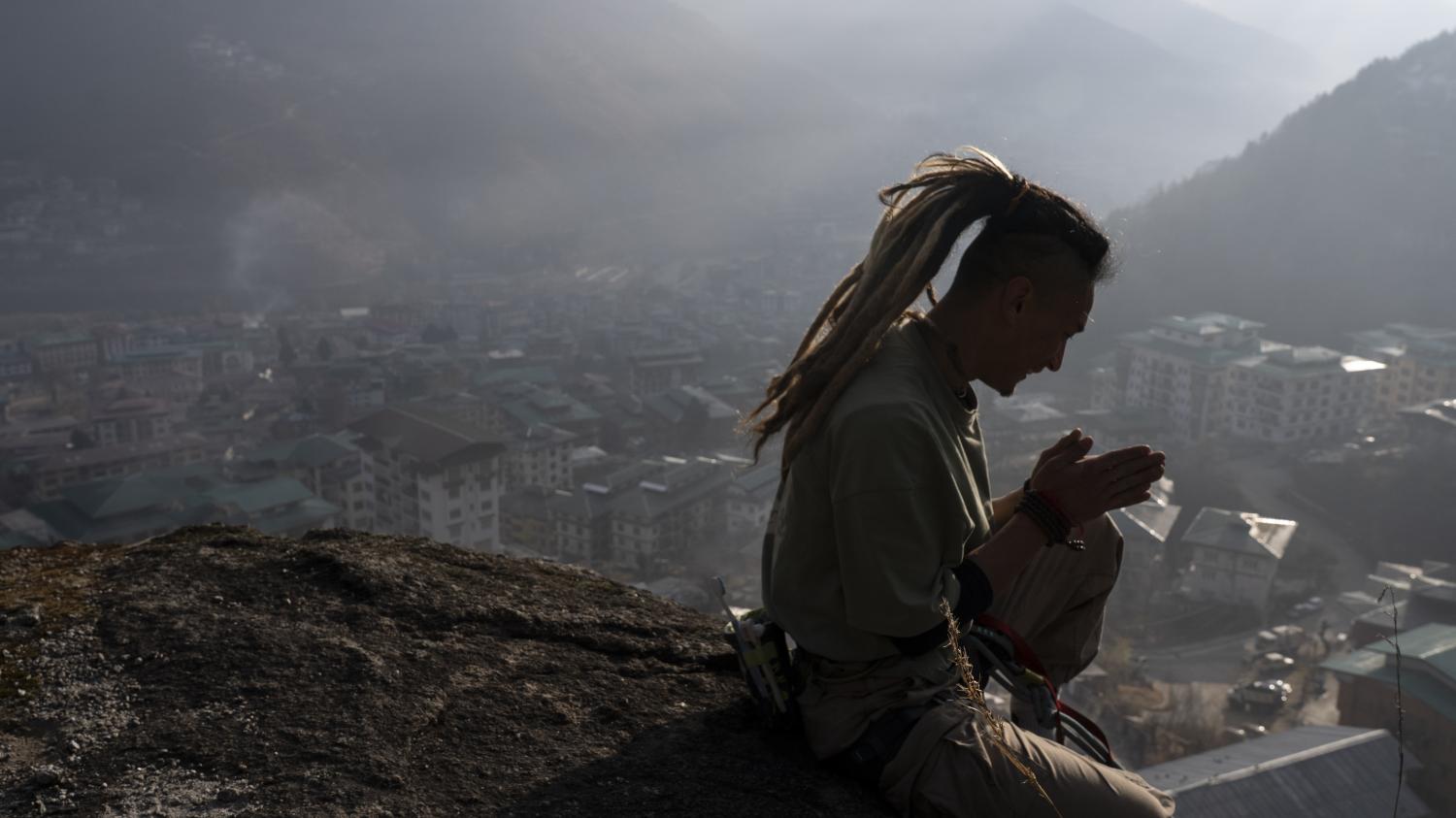
A journey into the heart of Bhutan

Under the patronage of Her Majesty Queen Jetsun Pema Wangchuck of Bhutan, a pictorial book titled Bhutan: Portrait Of A Kingdom was recently launched to celebrate the 70th birthday of the Fourth Druk Gyalpo, Jigme Singye Wangchuck, the father of the pr…

Under the patronage of Her Majesty Queen Jetsun Pema Wangchuck of Bhutan, a pictorial book titled Bhutan: Portrait Of A Kingdom was recently launched to celebrate the 70th birthday of the Fourth Druk Gyalpo, Jigme Singye Wangchuck, the father of the present King Jigme Khesar Namgyal Wangchuck.

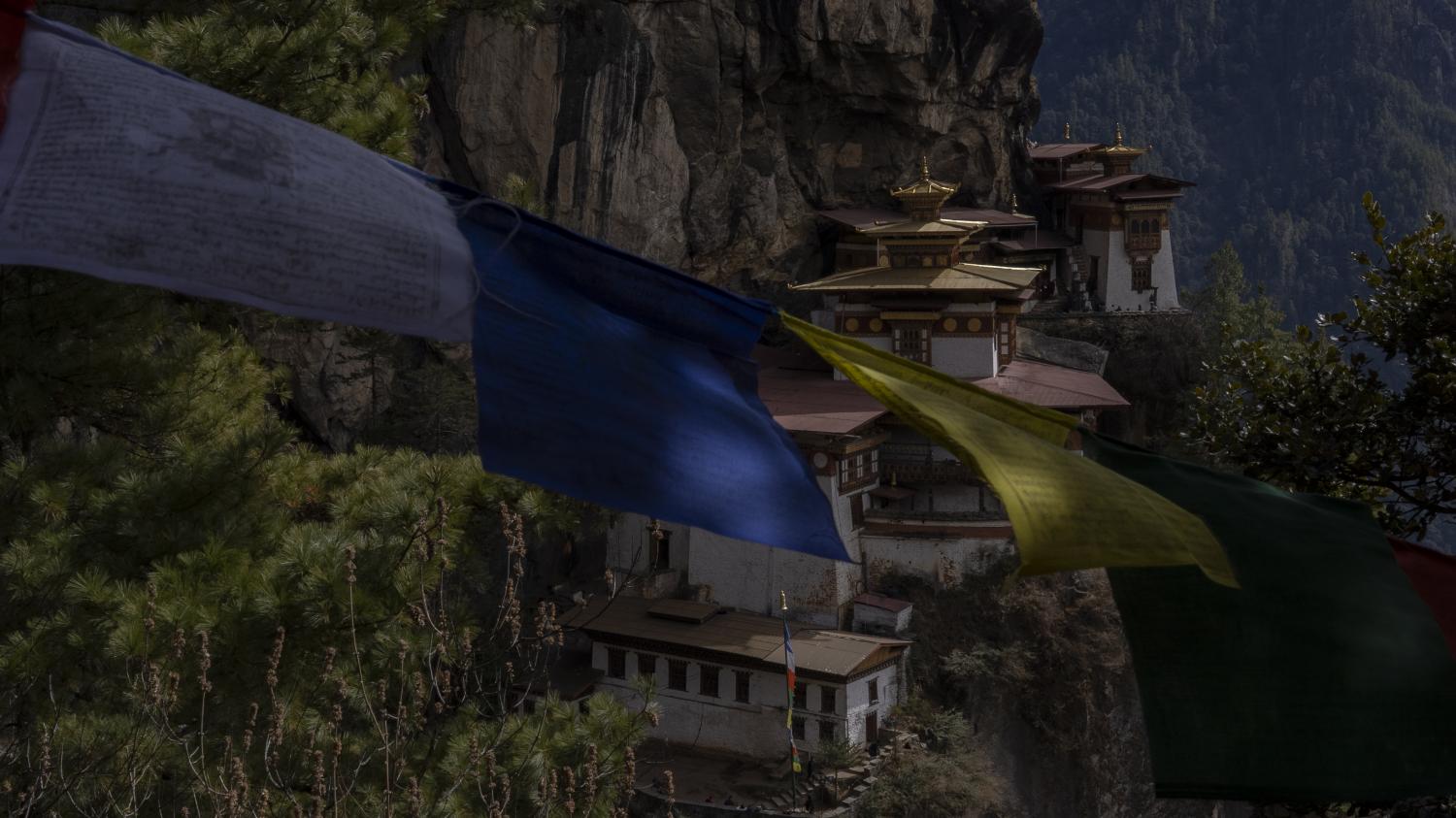
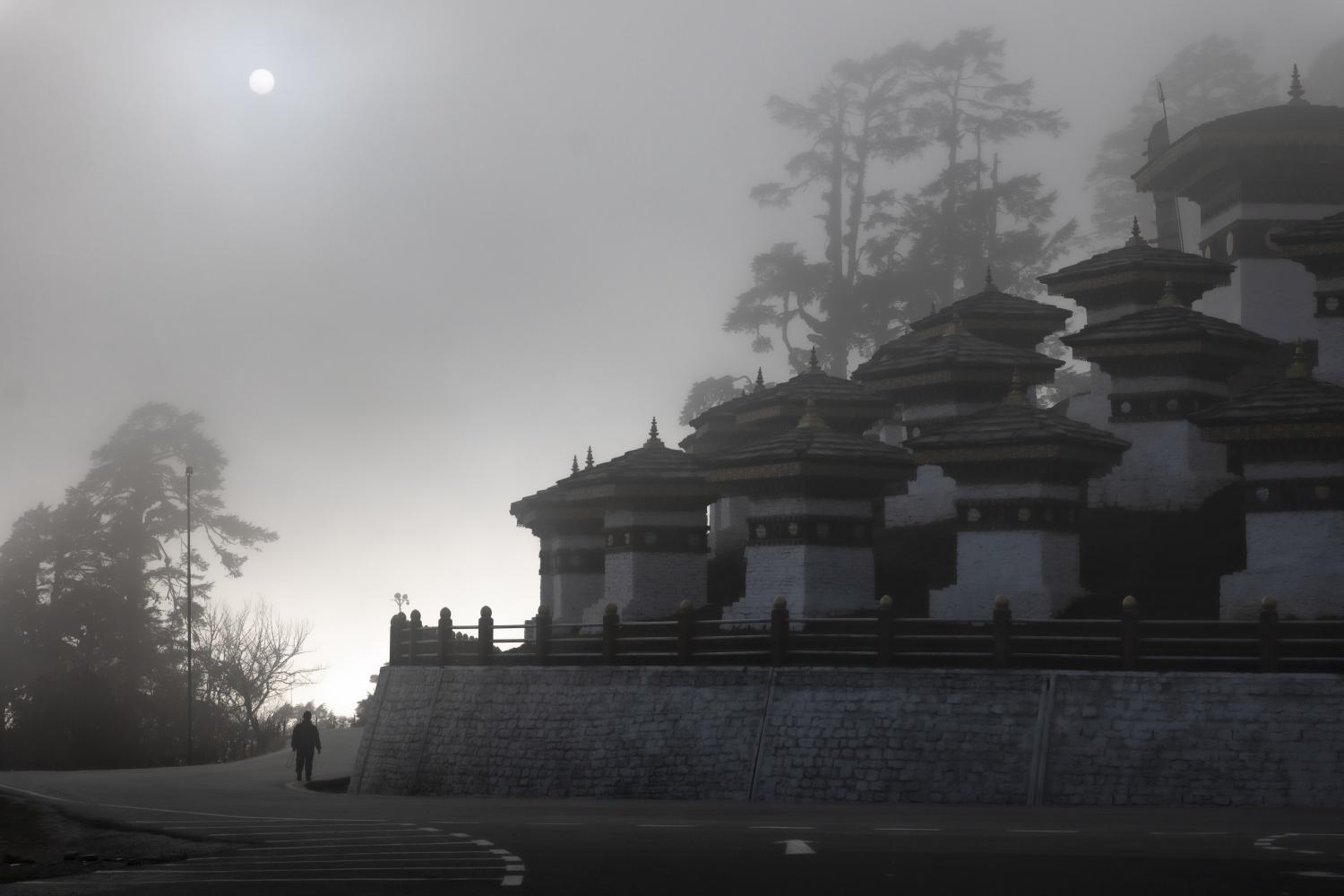
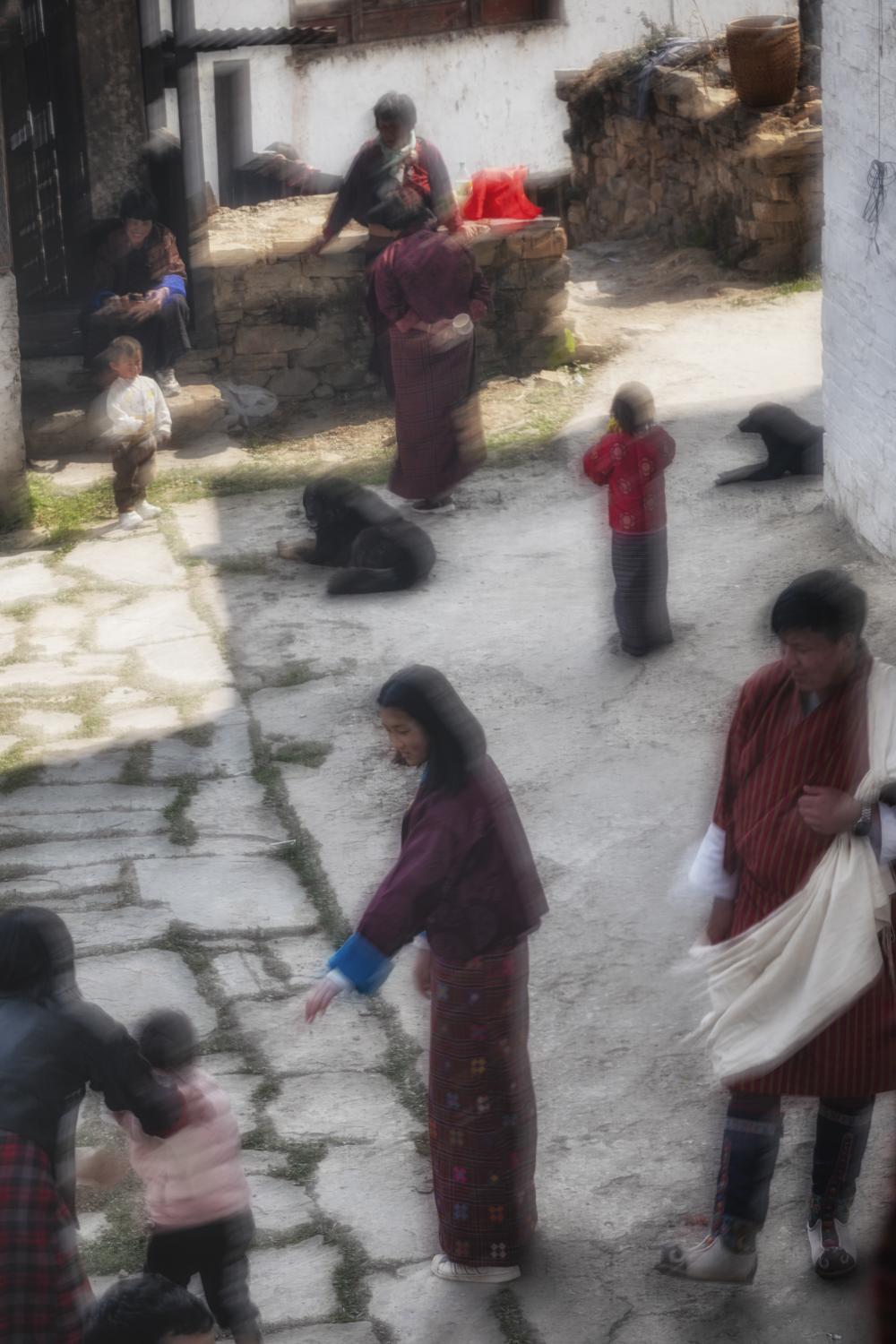
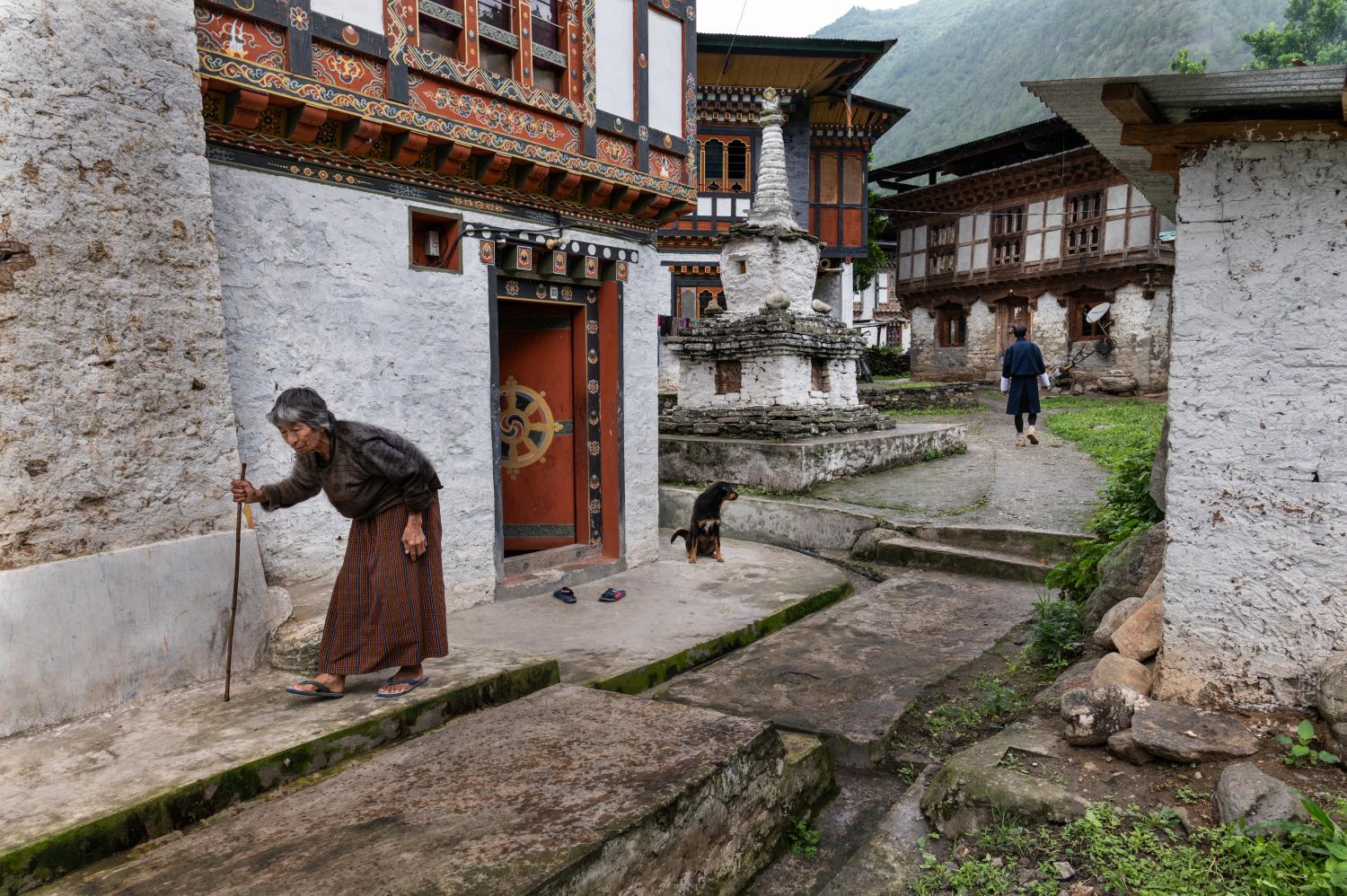
The 312-page book features artistic works from 10 world-renowned photographers who bring Bhutan to global eyes. Over the course of a year, these internationally recognised photographers travelled across Bhutan, each during a different season, to capture the country’s landscapes, traditions and spirit through their unique lenses.

“This book began with a simple wish: to share Bhutan with the world, to open a window onto its mountains and valleys, its people and rituals, its hopes and joys. But along the way, it became something more: a gift for Bhutanese ourselves, to see our home through new eyes. It allows us to witness our familiar world reflected back through the gaze of others, and in doing so, to rediscover what we often overlook,” wrote Queen Jetsun in the book.

The book also features texts by Matthieu Ricard and Pico Iyer, as well as exclusive photographs taken by King Jigme. Together, these contributions offer an intimate and timeless portrait of a kingdom where heritage, nature and harmony are deeply intertwined

With more than 300 richly illustrated pages, the book offers a unique immersion into one of the world’s most preserved kingdoms. Through the camera lens, the country is revealed across the seasons, between grand landscapes, living traditions and moments of everyday life.

A photo captured by King Jigme.

A photo captured by King Jigme.

The book features photos captured by Olivia Arthur (British), Chien-Chi Chang (Taiwanese), Karma T. Dorji (Bhutanese wildlife photographer), Stéphan Gladieu (French portrait photographer), Vincent Munier (French wildlife photographer and author of The Snow Panther), Steve McCurry (American photographer, best known for the iconic Afghan Girl), Matthieu Ricard (French Buddhist monk and photographer who lived in Bhutan for a decade), Raghu Rai (Indian photojournalist), Melisa Teo (Singaporean visual artist), Michael Yamashita (American photographer for National Geographic) and Gueorgui Pinkhassov (Russian) photographer.

The book also features a special contribution by King Jigme.

This exceptional art book, printed with remarkable care and presented in an elegant clothbound cover, combines the power of images with the richness of text by Pico Iyer and Matthieu Ricard.

The book was launched last week in Bhutan in celebration of the Fourth Druk Gyalpo’s 70th birthday. The English edition is currently available worldwide through online retailers, at all Kinokuniya bookstores across Asia, and in select bookstores in the US, the UK, Southeast Asia and Australia.

The French edition will be launched on Dec 11 in Paris at La Hune bookstore and gallery and will be distributed through Interforum and available in most bookstores across France, Belgium and Switzerland.

A series of launches across Southeast Asia is planned for early 2026, followed by a photographic exhibition featuring images from the book in Paris during the spring. Locations will be announced later.

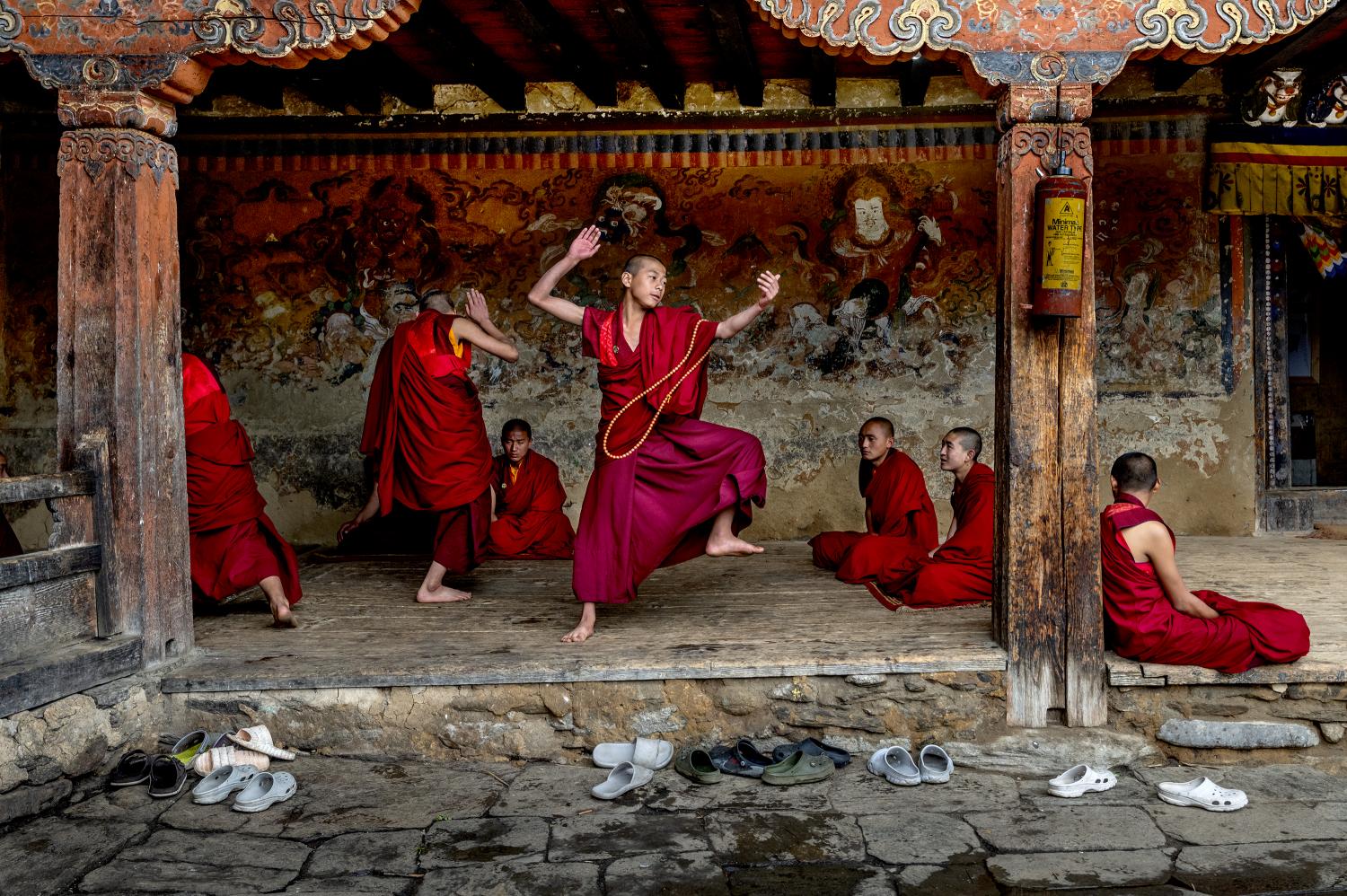
An image by Steve McCurry.

An image by Steve McCurry.

Bhutan Portrait Of A kingdom

Size: 230mm x 290mm

Pages: 312

Weight: 2.8kg

Languages: English, French

A high-end clothbound cover featuring 12 different images for an exclusive touch.

A photo by Chien-Chi Chang. P

A photo by Chien-Chi Chang. P

Melisa Teo's photo.

Melisa Teo’s photo.

Melisa Teo's photo. P

Melisa Teo’s photo. P

A work by Vincent Munier, a French wildlife photographer.

A work by Vincent Munier, a French wildlife photographer.

A work by Vincent Munier, a French wildlife photographer. P

A work by Vincent Munier, a French wildlife photographer. P

Photos by Steve McCurry featuring people practising archery, the national sport in Bhutan. P

Photos by Steve McCurry featuring people practising archery, the national sport in Bhutan. P

Steve McCurry's photo capturing local people's way of life. P

Steve McCurry’s photo capturing local people’s way of life. P

Chien-Chi Chang's work. P

Chien-Chi Chang’s work. P

Pirates ahoy!

The founder of independent music label Analog Africa, Samy Ben Redjeb, had a dilemma when he was compiling the label’s latest compilation Super Disco Pirata – De Tepito Para E Mundo 1965-1980 (released in November 2024). All of the 23 tracks were pirat…

The founder of independent music label Analog Africa, Samy Ben Redjeb, had a dilemma when he was compiling the label’s latest compilation Super Disco Pirata – De Tepito Para E Mundo 1965-1980 (released in November 2024). All of the 23 tracks were pirated copies of tropical music hits — often Colombian cumbias but also hits from other countries in the region.

These bootlegged songs (pirata in Spanish) were taken by mobile sound system operators called sonideros, who boosted the high frequencies in keeping with the cumbia sound, edited out bits or just looped riffs and grooves of songs they liked; sometimes they slowed the rhythms to cater to Mexican music fans tastes.

The bootleg compilations were then taken a pressing plant where they would use recycled vinyl and press just 300-500 copies; they were cheap and locals snapped them up.

The fascinating liner notes to the compilation tell the story of how sonideros began in the late 1950s, early 1960s, when people started hiring amateur sonideros decked out with a turntable, amp and set of speakers. This was much cheaper than hiring a band and so during the 1980s and 1990s, a lively pirata scene developed, originally in the northern parts of Mexico City. By the end of the 1980s, there were hundreds of pirata labels with names like Discos Galaxia 77, Roadrunner, Discos Medelin, Suntan and Discos Bengala.

The album kicks off with a belter, an Ecuadorian track, Afro Oriental (the pirated version was renamed Cumbia Afro), which features an irresistible strident piano, driven relentlessly by Cumbian rhythms and percussion.

Compiler Redjeb notes that this particular track was difficult to reproduce so they used the bootleg to recreate the master you hear on the album.

This track pairs perfectly with other ones that feature heavy piano and sparkling percussion like my favourites Palenque by Carlos Haayen Y Su Piano Candeloso (a terrific name for a band) and Ramon Ropain’s Malinga. Indeed, Redjeb said that one of the main inspirations was that classical piano meets African percussion sound that features so strongly in Colombian (and Cuban) music.

There are some quirky novelties as well. Somehow the Bee Gees ended up on Cumbia De Los Bee Gees and Beethoven on Enrique Lynch’s bizarre Le Quinta Sinfonia De Beethoven. Other odd tracks like Eduardo Vurita’s La 3a De Los Toquecitos started off life as a medley but the pirate producers simply lopped the first section twice — perhaps they liked it so much they just repeated it.

But there are plenty of great dancefloor fillers, after all sonideros were created to host parties. You can’t go wrong with Eso Es Con Velas by Orquesta Rafalo, Alexa Acosta Y Su Orquesta’s standout Cumbia Del Amor and the chicha-like sound of Te Gusta Como Azucar by Orientales de Paramonga.

This is a wonderful compilation, brought to life by Redjeb’s liner notes and Carlos Tropicaza’s excellent essay on the history of sonideros and discos pirata. It is beautifully illustrated with a bibliography for those who want to find out more about this colourful chapter in Mexico’s musical history. I was in Mexico City in the early 1980s but was completely unaware of the sound system culture that was popular at the time, so this collection, available as a CD, download or vinyl, is a revelation for me. Highly recommended.

Japan’s inflation rises in October

Inflation in Japan rose by 3% in October compared to the same period last year, the country’s Statistics Bureau reported on Friday, Azernews repo…

Japan's inflation rises in October

Inflation in Japan rose by 3% in October compared to the same period last year, the country’s Statistics Bureau reported on Friday, Azernews reports, citing foreign media.

Find the plan that suits you best.

1 month subscription

Full digital access to all news for 1 month

3 months subscription

Full digital access to all news for 3 months

2.00

Select

-33%

6 months subscription

Full digital access to all news for 6 months

3.84

Select

-36%

1 year subscription

Full digital access to all news for 1 year

7.10

Select

-41%

Here we are to serve you with news right now. It does not cost much, but worth your attention.

Choose to support open, independent, quality journalism and subscribe on a monthly basis.

By subscribing to our online newspaper, you can have full digital access to all news, analysis, and much more.

Subscribe

You can also follow AzerNEWS on Twitter @AzerNewsAz or Facebook @AzerNewsNewspaper

Thank you!

Miss Mexico wins Miss Universe contest after host insult drama

[unable to retrieve full-text content]NONTHABURI (THAILAND) – Miss Mexico was crowned Miss Universe in Thailand on Friday, strutting to victory after several dramatic missteps before the final round, including staging a walkout when an organiser of the…

[unable to retrieve full-text content]

NONTHABURI (THAILAND) – Miss Mexico was crowned Miss Universe in Thailand on Friday, strutting to victory after several dramatic missteps before the final round, including staging a walkout when an organiser of the beauty pageant chastised her.

Testimonies of victims heard at Ruben Vardanyan’s trial at Baku Military Court

The trial of Armenian citizen Ruben Vardanyan, accused under
articles of the Criminal Code of the Republic of Azerbaijan related
to crimes against peace and humanity, war crimes, terrorism,
financing of terrorism and other serious crimes, continued on …

The trial of Armenian citizen Ruben Vardanyan, accused under
articles of the Criminal Code of the Republic of Azerbaijan related
to crimes against peace and humanity, war crimes, terrorism,
financing of terrorism and other serious crimes, continued on 21
November.

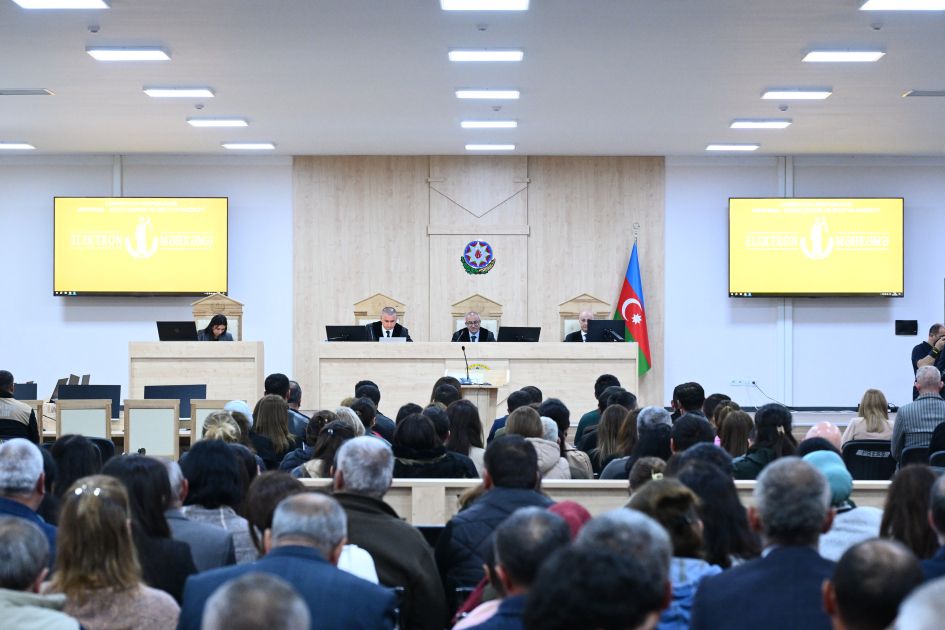
The open court session at the Baku Military Court was held under
the chairmanship of Judge Zeynal Aghayev, with judges Anar Rzayev
and Jamal Ramazanov on the panel (reserve judge Gunel Samadova).
The accused was provided with an interpreter in the language he
understands (Russian) as well as a state-funded defence lawyer.

Judge Zeynal Aghayev introduced the panel of judges, the
prosecutors upholding the state accusation, the interpreters and
others to the victims and legal successors of victims participating
in the hearing for the first time, and explained their rights and
obligations under the law.

The testimonies of the victims were then heard.

Responding to questions from Senior Assistant to the Prosecutor
General Vusal Aliyev, victim Baylar Shabanov, noted that while they
were driving from Sugovushan in the direction of Aghdara-Kalbajar,
the remnants of the Armenian army and illegal Armenian armed groups
opened gunfire on the “Niva” vehicle they were driving at. The
incident caused serious damage to the vehicle.

Victim Kanan Rzazade stated that while he was in an ambulance
with a distinctive insignia in the Kalbajar district, the enemy hit
his vehicle with a mortar shell, injuring him and Elvin Suleymanov,
who was with him at that time.

Hasil Talibov reported that Farid Mehbali and Elshan Babazade
were killed, and Ilkin Vasalov, Mehdi Yusifov, and several others
were wounded as a result of an enemy provocation in the Zangilan
district.

Responding to questions from Assistant Prosecutor General for
Special Assignments Tugay Rahimli, victim Zamin Amrali noted that
Farid Rustamov and Nahid Mamedov were killed, and Farid Mammadov,
Saleh Gasanov, and several others were wounded as a result of an
enemy mortar shell explosion in the Zangilan district.

Victim Orkhan Alasgarov testified that he was wounded by enemy
artillery shelling in Kalbajar district, and that Sarkhan Omarov,
who was with him at the time, was killed.

Victim Ibrahim Mayilli said that Farid Mehbali and Tabriz
Rahimov were killed in a mortar shell explosion fired by the enemy
in the Zangilan district, while he, Rahib Mammadov, Seymur Hasanli,
and several others received injuries of varying severity.

Answering questions from Nasir Bayramov, head of the Public
Prosecution Department of the Prosecutor General’s Office, victim
Alim Maharramov, stated that an explosion occurred while he was
cleaning mines planted by the enemy in the Gubadli district. As a
result of the incident, he, V. Naghiyev, E. Alishanov and V.
Ibrahimov received various injuries.

Victim Farid Shahbazov noted that he, along with Sadig Shakarov
and Murad Aliyev, sustained a shrapnel injury as a result of the
mortar fire by the remnants of the Armenian armed forces and
illegal Armenian armed detachments in the vicinity of the Aliaghali
village of Aghdam district.

Another victim Parviz Shirinov claimed that he, along with Elnur
Soltanov and Sadig Hamidov, was injured in an explosion of the
grenade thrown by the remnants of the Armenian armed forces and
illegal Armenian armed detachments in the Janyatag village of
Aghdara district.

Responding to the questions from state prosecutor Tarana
Mammadova, victims Murtuz Namazov and Mahammad Gilmizliyev claimed
they were injured as a result of the explosion of a landmine
planted by the enemy in the forest trail in the Zangilan district.
N.Namazov sustained a head injury, while M.Gilmizliyev saw his
right knee amputated.

Responding to the inquiries from state prosecutor Vusal
Abdullayev, victim Sarkhan Isgandarov said that he was injured as a
result of the enemy rifle fire in the Gulyatag village of Aghdara
district.

Victims Abdul Malikov, Mardan Allahverdiyev, and Sahil Rasulov
noted they sustained various bodily injuries as a result of the
artillery and grenade fire from the remnants of the Armenian armed
forces and illegal Armenian armed detachments in the Vangli village
of Aghdara district, with Zamin Hasratov, Bayram Huseynov, Tamerlan
Rashidli, Subhan Abbasov, Ravan Mammadov, and Emin Jafarov also
wounded in the incident.

Responding to the inquiries from state prosecutor Fuad Musayev,
victim Ramil Manafov said he was wounded by enemy fire in Zangilan
district.

Another victim Samir Akbarov mentioned that, while evacuating
those injured in a landmine blast in the Aghdam district, he, as
well as several other people around him, also sustained injuries by
stepping on a landmine.

Victim Rustam Rustamov said he was wounded as a result of the
fire from the remnants of the Armenian armed forces and illegal
Armenian armed detachments in Aghdara district.

In their testimonies, victims Ramal Badalli and Khayal Hajiyev
emphasized they were wounded by enemy fire from various
directions.

The court session continued with the examination of documents
and other evidence in the criminal case file.

The next court hearing has been scheduled for 24 November.

Ruben Vardanyan faces multiple charges under the Criminal Code
of the Republic of Azerbaijan, including Articles 100.1, 100.2
(planning, preparing, initiating, and waging a war of aggression),
107 (deportation and forced displacement of the population), 109
(persecution), 110 (forcible disappearance of persons), 112
(deprivation of liberty contrary to international law), 113
(torture), 114.1 (mercenary activity), 115.2 (violation of the laws
and customs of warfare), 116.0.1, 116.0.2, 116.0.10, 116.0.11,
116.0.16, 116.0.18 (violation of international humanitarian law
norms during an armed conflict), 120.2.1, 120.2.3, 120.2.4,
120.2.7, 120.2.11, 120.2.12 (intentional murder), 29.120.2.1,
29.120.2.3, 29.120.2.4, 29.120.2.7, 29.120.2.11, 29.120.2.12
(attempted intentional murder), 192.3.1 (illegal entrepreneurship),
214.2.1, 214.2.3, 214.2.4 (terrorism), 214-1 (financing of
terrorism), 218.1, 218.2 (creation of a criminal group), 228.3
(illegal acquisition, transfer, sale, storage, transportation, and
possession of firearms, ammunition, explosives, and devices),
270-1.2, 270-1.4 (acts threatening aviation safety), 278.1
(forcible seizure or retention of power, forcible change of the
constitutional structure of the state), 279.1, 279.2, 279.3
(creation of armed formations not provided for by law), and 318.2
(illegal crossing of the state border of the Republic of
Azerbaijan).