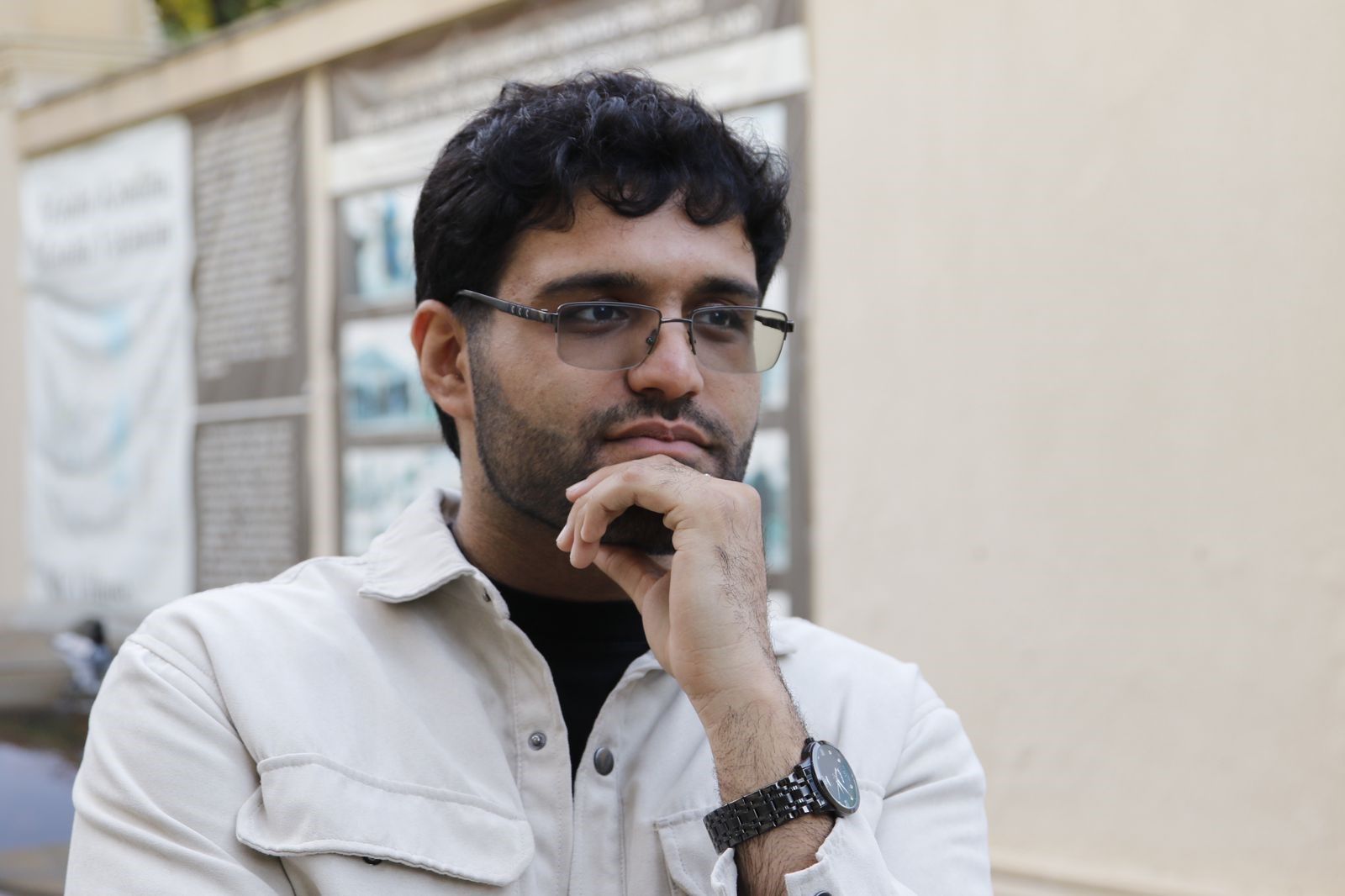
World Bank study highlights path for Azerbaijan’s shift to non-oil economy

As Azerbaijan accelerates efforts to diversify its economy and reduce its dependence on hydrocarbons, a new World Bank report offers timely insights that closely align with the country’s strategic direction. The report, ‘Waves of Change: Igniting Productivity Growth in Europe and Central Asia,’ argues that the region’s economic slowdown since the 2008 financial crisis stems largely from stagnating productivity, a point that resonates strongly with Azerbaijan’s current development trajectory.

The World Bank notes that although many countries in Europe and Central Asia have continued to invest capital and expand their labor force, overall efficiency has declined. Productivity growth in the region has halved since the financial crisis, limiting the impact of investment flows. According to the report, even a 10 percent improvement in productivity could generate nearly 2 million new jobs, underscoring the direct connection between productivity, employment, and living standards. Had the region maintained its pre-crisis pace of productivity growth, its GDP today could be 62 percent higher. These findings highlight why improving efficiency, rather than expanding resources, is now central to sustainable economic development.

For Azerbaijan, the message is particularly relevant. The country has, in recent years, deepened its cooperation with the World Bank across a broad spectrum of sectors, including digital governance, education, agriculture, water management, transport, and green energy. These projects support Azerbaijan’s key long-term priorities, such as strengthening the non-oil sector, boosting human capital, expanding renewable energy, and promoting balanced regional development. In essence, the World Bank’s reform recommendations mirror the strategy that Baku has already set in motion.

At the core of the report is the TIDES model, which outlines targeted reforms in trade, investment, digitalization, efficiency, and skills. Although developed for a wide regional context, the model fits Azerbaijan’s circumstances almost exactly. In trade, Azerbaijan still has substantial untapped potential in non-oil exports, which could be unlocked through streamlined customs procedures, improved logistics, and alignment with international standards. In investment, the country has made progress in attracting foreign capital, yet further liberalization and predictable regulatory conditions would help channel investment into high-value sectors and deepen technological transfer.

Digital transformation, one of Azerbaijan’s strongest recent achievements, remains another pillar of the TIDES framework. Initiatives such as ASAN Service, myGov, and DOST have already demonstrated how digital governance can reduce costs and increase transparency. However, the next stage will require strengthening cybersecurity, expanding digital infrastructure across regions, and supporting the growth of the local startup ecosystem. These steps would not only modernize public administration but also enhance the competitiveness of the private sector.

Efficiency remains a critical area where Azerbaijan can significantly benefit. State-owned enterprises, energy systems, and agricultural production still face structural inefficiencies that limit output. Modern corporate governance standards, improved energy efficiency programs, and innovation incentives for SMEs could substantially increase productivity and reduce fiscal burdens. This is especially important in sectors where Azerbaijan aims to achieve export diversification.

Finally, the report emphasizes the importance of human capital, an area where Azerbaijan has already launched several reforms, particularly in education, vocational training, and youth employment. Strengthening the link between universities and industry, expanding technical and digital training and improving access to employment for women and young people will be crucial for building a workforce equipped for a modern economy.

The report also highlights an issue of particular importance for Azerbaijan, the prevalence of ‘missing trade’ in the region. According to World Bank data, informal or unrecorded trade flows remain high across Europe and Central Asia, with some countries showing gaps that exceed half of their official trade volumes. Azerbaijan is included among the higher-risk group with an estimated rate of 58 percent. This places the country alongside several Central Asian economies, including Uzbekistan at 59 percent, Kyrgyzstan at 63 percent, and Tajikistan at 64 percent. The World Bank links these figures to a combination of strict trade regulations, informal customs practices, incomplete statistical reporting, and a notable share of intra-regional unregistered trade.

In Azerbaijan, enhanced customs digitalization, simplified procedures, and greater transparency in trade flows could help reduce these discrepancies and improve the accuracy of non-oil trade data.

Overall, the TIDES model offers a coherent framework that aligns closely with Azerbaijan’s own goals. The country already possesses several strategic advantages, including a strong digital governance base, substantial energy revenues that can be redirected into reforms, a favorable geographic position, and a non-oil sector with significant growth potential. Implementing productivity-centered reforms in line with the World Bank’s recommendations could therefore enable Azerbaijan to accelerate its transition to a more diversified, knowledge-based and resilient economy.

Narimanov explosion: medical agency provides update on victims

TABIB provided information about the condition of the people injured in the explosion that occurred in a five-storey residential building on A. Rajabli Street in Baku’s Narimanov District on November 24, Azernews reports.

According to the agency, one man sustained thermal burns, while four others – one man and three women – were diagnosed with multiple traumatic injuries affecting various parts of the body.

After receiving necessary medical assistance, four of the injured individuals were discharged for outpatient treatment.

One person has been referred to a specialised medical facility for further care.

It should be noted that the explosion occurred yesterday at a commercial facility on Ahmad Rajabli Street.

Trump: Something good may be happening on Ukraine

United States President Donald Trump cautioned against believing in any significant progress on the peace talks regarding the Russia-Ukraine conflict for now, but stressed that “something good just may be happening”, Azernews reports.

“Is it really possible that big progress is being made in the Pecae Talks between Russia and Ukraine??? Don’t believe it until you see it, but something good just may be happening,” he wrote in a Truth Social post on Monday.

Yesterday, US Secretary of State Marco Rubio hailed the “tremendous amount of progress” and “probably the most productive and meaningful meeting so far” regarding Ukraine peace efforts, but added that there was “still some work to be done” before a final agreement could be put to Russia.

Armenia to skip upcoming CSTO summit in Bishkek

Armenia will not participate in the Collective Security Treaty Organization (CSTO) summit scheduled to take place in Bishkek on November 27, Azernews reports via TASS Agency.

The announcement was made by Yuri Ushakov, assistant to the President of Russia. Ushakov noted that although Armenia will not attend the summit, the country does not object to the adoption of documents previously agreed upon within the CSTO framework.

He also added that Russian President Vladimir Putin will hold a traditional press briefing following the visit.

The summit is expected to be attended by the presidents of Belarus, Kazakhstan, and Tajikistan, as well as the current chairman of the CSTO Collective Security Council, Kyrgyzstan’s President Sadyr Japarov.

Tensions between Armenia and the CSTO have escalated over the past two years. In early 2023, Yerevan refused to host CSTO military exercises. In February 2024, Prime Minister Nikol Pashinyan announced that Armenia was ‘freezing’ its participation in the organization, arguing that the CSTO failed to meet its security obligations to Armenia in 2021 and 2022.

In May 2024, Armenia halted funding for CSTO programs. Although the organization confirmed it was aware of the decision, it maintained that Armenia remains a CSTO member.

In June, Pashinyan publicly declared Armenia’s intention to withdraw from the CSTO, stating, ‘There will be no turning back.’

Armenia has intensified its political and security ties with the United States, signing a strategic partnership charter earlier this year and launching discussions on nuclear energy cooperation.

Relations between Yerevan and the Russian-led bloc have deteriorated significantly, with Armenia accusing the CSTO of failing to respond during the period when Russian peacekeepers were stationed in Garabagh and adjacent regions.

World Bank study highlights path for Azerbaijan’s shift to non-oil economy

As Azerbaijan accelerates efforts to diversify its economy and reduce its dependence on hydrocarbons, a new World Bank report offers timely insights that closely align with the country’s strategic direction. The report, ‘Waves of Change: Igniting Productivity Growth in Europe and Central Asia,’ argues that the region’s economic slowdown since the 2008 financial crisis stems largely from stagnating productivity, a point that resonates strongly with Azerbaijan’s current development trajectory.

The World Bank notes that although many countries in Europe and Central Asia have continued to invest capital and expand their labor force, overall efficiency has declined. Productivity growth in the region has halved since the financial crisis, limiting the impact of investment flows. According to the report, even a 10 percent improvement in productivity could generate nearly 2 million new jobs, underscoring the direct connection between productivity, employment, and living standards. Had the region maintained its pre-crisis pace of productivity growth, its GDP today could be 62 percent higher. These findings highlight why improving efficiency, rather than expanding resources, is now central to sustainable economic development.

For Azerbaijan, the message is particularly relevant. The country has, in recent years, deepened its cooperation with the World Bank across a broad spectrum of sectors, including digital governance, education, agriculture, water management, transport, and green energy. These projects support Azerbaijan’s key long-term priorities, such as strengthening the non-oil sector, boosting human capital, expanding renewable energy, and promoting balanced regional development. In essence, the World Bank’s reform recommendations mirror the strategy that Baku has already set in motion.

At the core of the report is the TIDES model, which outlines targeted reforms in trade, investment, digitalization, efficiency, and skills. Although developed for a wide regional context, the model fits Azerbaijan’s circumstances almost exactly. In trade, Azerbaijan still has substantial untapped potential in non-oil exports, which could be unlocked through streamlined customs procedures, improved logistics, and alignment with international standards. In investment, the country has made progress in attracting foreign capital, yet further liberalization and predictable regulatory conditions would help channel investment into high-value sectors and deepen technological transfer.

Digital transformation, one of Azerbaijan’s strongest recent achievements, remains another pillar of the TIDES framework. Initiatives such as ASAN Service, myGov, and DOST have already demonstrated how digital governance can reduce costs and increase transparency. However, the next stage will require strengthening cybersecurity, expanding digital infrastructure across regions, and supporting the growth of the local startup ecosystem. These steps would not only modernize public administration but also enhance the competitiveness of the private sector.

Efficiency remains a critical area where Azerbaijan can significantly benefit. State-owned enterprises, energy systems, and agricultural production still face structural inefficiencies that limit output. Modern corporate governance standards, improved energy efficiency programs, and innovation incentives for SMEs could substantially increase productivity and reduce fiscal burdens. This is especially important in sectors where Azerbaijan aims to achieve export diversification.

Finally, the report emphasizes the importance of human capital, an area where Azerbaijan has already launched several reforms, particularly in education, vocational training, and youth employment. Strengthening the link between universities and industry, expanding technical and digital training and improving access to employment for women and young people will be crucial for building a workforce equipped for a modern economy.

The report also highlights an issue of particular importance for Azerbaijan, the prevalence of ‘missing trade’ in the region. According to World Bank data, informal or unrecorded trade flows remain high across Europe and Central Asia, with some countries showing gaps that exceed half of their official trade volumes. Azerbaijan is included among the higher-risk group with an estimated rate of 58 percent. This places the country alongside several Central Asian economies, including Uzbekistan at 59 percent, Kyrgyzstan at 63 percent, and Tajikistan at 64 percent. The World Bank links these figures to a combination of strict trade regulations, informal customs practices, incomplete statistical reporting, and a notable share of intra-regional unregistered trade.

In Azerbaijan, enhanced customs digitalization, simplified procedures, and greater transparency in trade flows could help reduce these discrepancies and improve the accuracy of non-oil trade data.

Overall, the TIDES model offers a coherent framework that aligns closely with Azerbaijan’s own goals. The country already possesses several strategic advantages, including a strong digital governance base, substantial energy revenues that can be redirected into reforms, a favorable geographic position, and a non-oil sector with significant growth potential. Implementing productivity-centered reforms in line with the World Bank’s recommendations could therefore enable Azerbaijan to accelerate its transition to a more diversified, knowledge-based and resilient economy.
Kazakhstan to share findings on AZAL plane crash investigation by year’s end

The Kazakh government will present detailed information on the investigation into the Azerbaijan Airlines (AZAL) plane crash near Aktau airport by the end of 2025.

Azernews reports that Kazakhstan’s Deputy Minister of Transport, Maksat Kaliakparov, made the statement during a briefing. He noted that while preliminary findings had been released three months after the tragedy, the inquiry is still underway.

‘The investigation is ongoing. Currently, more in-depth work, complex examinations are being conducted,’ M. Kaliakparov said, emphasizing the gravity of the case. He added that it remains difficult to predict the exact completion date: ‘I cannot guarantee a specific period at the moment, but we will present the information by the end of this year.’

The AZAL passenger aircraft, operating the Baku-Grozny route, crashed on December 25 last year near the Kazakh city of Aktau. The plane was carrying 62 passengers, including 37 Azerbaijanis, 16 Russians, 6 Kazakhs, and 3 Kyrgyz citizens, along with 5 crew members. A total of 38 people lost their lives, while 29 people, including three children, survived.

According to preliminary assessments, the crash may have resulted from physical and technical external interference in the airspace over Grozny, Russia. The final conclusions will be reflected in the Kazakh government’s report once the investigation is completed.

How fake story about so-called jets spark misleading narrative on Azerbaijan [ANALYSIS]

At a time when the information war and the spread of deepfakes are gaining unprecedented momentum, it is regrettable that certain outlets in the international media, eager for cheap publicity, are fabricating absurd fantasies and outright falsehoods, which others then enthusiastically circulate without even realising it. This has become a habit for websites inclined towards provocation and lacking professional standards. That is one side of the problem, but the main issue concerns the blatant lie that has been circulating in recent days. One such fantasy that has been attempted to foist on the public is the allegation that “Azerbaijan secretly sold SU-22 aircraft to Ukraine.”

First, let us note that the SU-22 is the export version of the SU-17. Although it was a prominent military platform in its time, it is now considered outdated and remains in the arsenals of only a handful of countries. As for Azerbaijan, according to some published sources, while there may have been a few SU-17 aircraft inherited from the Soviet era, there is no official or unofficial information confirming the presence of SU-22s in the country’s arsenal. Moreover, the SU-17 aircraft have long been decommissioned in Azerbaijan.

Beyond that, the question arises: how useful would such a weapon be to Ukraine? As is known, Russia is significantly more powerful than Ukraine in terms of its economy, population, natural resources, and military-technical capabilities. For the past three years, Ukraine has shown remarkable resilience against Russian aggression, relying primarily on a limited number of high-tech weapons to counterbalance Russia’s overwhelming advantages.

Recently, Ukraine has been negotiating with Sweden to acquire modern Gripen fighter jets and with France for Rafale aircraft. In this context, does a country like Ukraine really need outdated scrap-metal aircraft from the 1960s, models that even the original manufacturer, Russia, ceased producing in the 1990s and removed from its own arsenal? Can the SU-22 aircraft realistically shift the balance on the battlefield in Ukraine’s favour?

Considering the technical capabilities of the SU-22, it is safe to say that such scrap-metal aircraft would offer no benefit to Ukraine. On the contrary, they would be a burden in terms of maintenance and pilots` safety. In short, this claim is entirely absurd. Azerbaijan has not possessed SU-22 aircraft, and Kyiv has not lost its strategic judgment to the extent that it would spend money on obsolete scrap metals in a war where cutting-edge weaponry is decisive.

This leads to a more fundamental question: what is the purpose behind spreading such a story? The style of the original article spreading that news is telling. After reading the entire piece, one gets the impression that the outlet either lacks awareness of actual developments or is deliberately trying to create the unpleasant image of Azerbaijan. The article begins with a single sentence about the alleged sale of SU-22s, then devotes the rest of the text to Azerbaijan-Russia relations, evoking the phrase ‘to create drama where there is none.’

It seems to aim at driving a wedge between Azerbaijan and Russia, portraying Azerbaijan as a former ally drifting away from Moscow. Referring to Azerbaijan as Russia’s ‘former ally’ is itself a puzzling expression. In reality, Azerbaijan was one of the first countries in the Caucasus, and one of only four former Soviet republics, alongside the Baltic states, to successfully remove Russian troops from its territory. Furthermore, unlike some other former Soviet republics, Azerbaijan never granted Russian the status of an official language after independence. Even during the Soviet era, Azerbaijani was the official state language.

Given all this, calling Azerbaijan a ‘former ally’ of Russia is questionable at best. If the term ‘ally’ refers to the 2022 Declaration on Allied Interaction signed in Moscow between Azerbaijan and the Russian Federation, it’s worth noting that this agreement remains in force.

Let us not forget that Azerbaijan has a similar agreement with Turkiye. While not identical, comparable treaties exist with other countries as well. If someone were to conduct a street survey in Baku today asking, ‘Who is Azerbaijan’s ally?’ the answers would likely vary. In Azerbaijan, the concept of alliance is understood as a relationship based on mutual respect, friendship, and brotherhood. This reflects the country’s longstanding foreign policy principle of neutrality, a tradition that dates back centuries.

Whether during the Caucasian Albanian era, when Javanshir manoeuvred diplomatically between the Khazar Khaganate, Persia, and the Arab Caliphate, or in the time of the Shirvanshahs, when Azerbaijan balanced relations among the Timurids, Golden Horde, Ottomans, and Iran, neutrality has been a consistent theme. Throughout history, Azerbaijan has prioritised neutrality in its foreign policy, and continues to do so today. This approach has enabled the country to preserve its national identity for millennia, despite invasions by powerful empires, and there is no intention to change this principle.

To put it another way, Azerbaijan has consistently recognised Ukraine’s territorial integrity, is aware of the military aggression it faces, and provides humanitarian aid whenever possible. In fact, among former Soviet republics, Azerbaijan is one of the top providers of humanitarian assistance to Ukraine. Accusing Azerbaijan of something it hasn’t done, especially something so illogical, is, to put it mildly, slander.

Put simply, those who, despite knowing full well what Azerbaijan is, still deliberately seek to portray it as Russia’s outpost should understand that Baku has never bowed to the influence of great powers, never joined blocs of their making, and never conducted its foreign policy at the dictation of any state.

Azerbaijan, Türkiye launch first Shusha Forum to boost strategic cooperation

The First Shusha Forum of Azerbaijani and Turkish think tanks is
underway in the city of Shusha, organized by the Center of Analysis
of…

Qabil Ashirov

The First Shusha Forum of Azerbaijani and Turkish think tanks is
underway in the city of Shusha, organized by the Center of Analysis
of International Relations (AIR Center), Azernews
reports.

The event brings together the heads and researchers of leading
analytical institutions from both countries. Discussions will focus
on regional security, foreign policy, economic integration, and
prospects for cooperation in transport, communications, and the
energy sector.

The forum will open with remarks by Farid Shafiyev, Chairman of
the AIR Center, and Polat Safi, head of the Strategic Research
Center of the Ministry of Foreign Affairs of the Republic of
Türkiye. Their speeches will underline the growing importance of
strengthening the institutional foundations of the
Azerbaijan–Türkiye strategic alliance and its constructive role
amid unfolding regional realities.

Panel sessions will then address several key themes: “Main
Trends in the Foreign Policies of Azerbaijan and Türkiye and
Opportunities for Cooperation,” “Deepening Azerbaijan–Türkiye
Cooperation: Integration Prospects within the Organization of
Turkic States,” and “Transport-Communication and Energy Partnership
Dimensions in Azerbaijan–Türkiye Cooperation.”

The First Shusha Forum marks an important step in building
institutional partnerships between Azerbaijani and Turkish think
tanks, creating joint analytical platforms, and coordinating future
strategic initiatives.

Here we are to serve you with news right now. It does not cost much, but worth your attention.

Choose to support open, independent, quality journalism and subscribe on a monthly basis.

By subscribing to our online newspaper, you can have full digital access to all news, analysis, and much more.

Subscribe

You can also follow AzerNEWS on Twitter @AzerNewsAz or Facebook @AzerNewsNewspaper

Thank you!

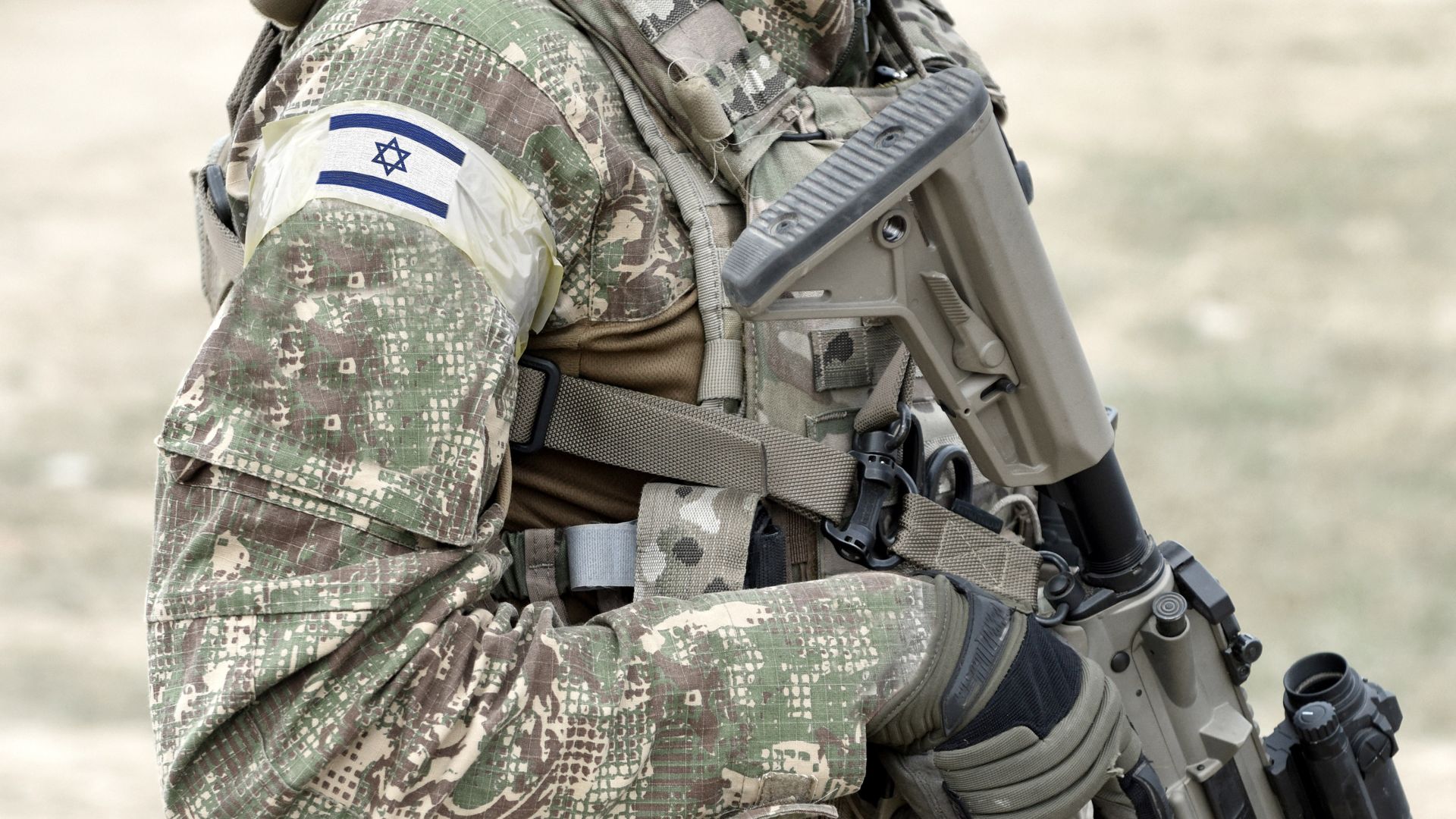
Senior Israeli officers removed from service for role in Oct. 7 security collapse

Israeli Chief of Staff Eyal Zamir on Sunday announced a series
of disciplinary actions and dismissals targeting senior military
figures over the failure to prevent the events of Oct. 7, 2023,
according to Israeli media.
The incident is widely regarded …

Israeli Chief of Staff Eyal Zamir on Sunday announced a series
of disciplinary actions and dismissals targeting senior military
figures over the failure to prevent the events of Oct. 7, 2023,
according to Israeli media.

The incident is widely regarded inside Israel as the most severe
intelligence and operational collapse in the country’s history,
dealing a major blow to both Israel’s international standing and
the credibility of its armed forces.

Public broadcaster KAN reported that Zamir ordered the
termination of reserve service for several retired generals,
including former Military Intelligence head Aharon Haliva,
ex–Southern Command chief Yaron Finkelman, and former Operations
Directorate chief Oded Basyuk. Though these officers had already
been removed from their posts previously, the new decisions
permanently strip them of their reservist roles.

Zamir also dismissed Avi Rosenfeld, the reserve commander of the
Gaza Division, while the division’s intelligence officer was
removed from the army entirely.

Other senior figures—Air Force commander Tomer Bar, current
Military Intelligence chief Shlomi Binder, and Navy commander David
Saar Salama—received formal reprimands but kept their
positions.

KAN noted that Haliva and former Unit 8200 chief Yossi Sariel
did not appear at Sunday’s hearings for scheduling reasons and will
undergo review later before any final decision on their reserve
status.

The disciplinary steps came about two weeks after Zamir received
a detailed investigative report from retired Gen. Sami Turgeman
outlining the military and intelligence shortcomings that led to
the October 2023 shock attack.

None of the officers affected have publicly commented. Several
high-ranking commanders have already resigned over the failures,
including then–chief of staff Herzi Halevi.

Baku turns challenges into opportunities through expanding tourism with Beijing

The year has been a reminder of how sensitive tourism c…

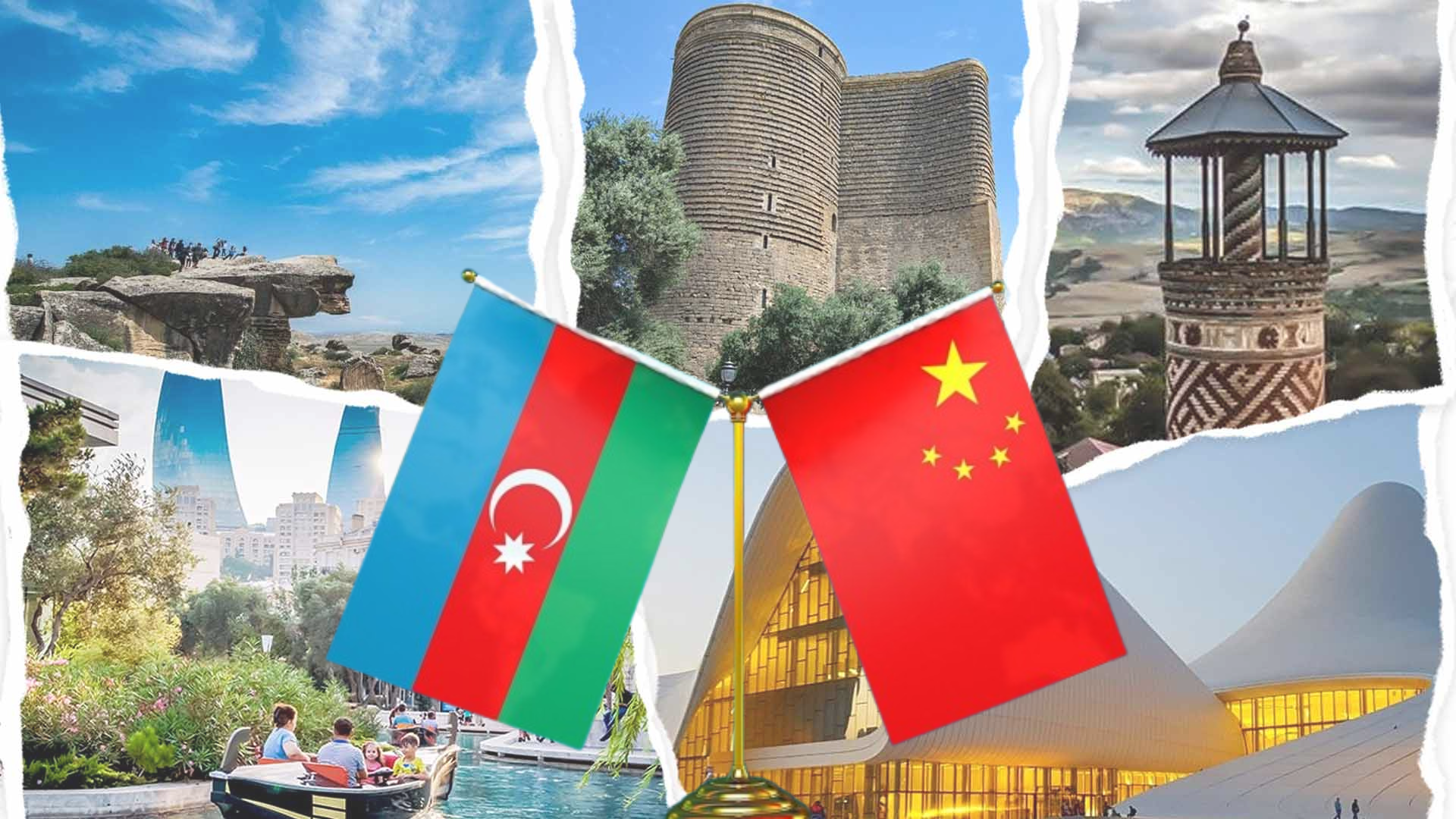
Baku turns challenges into opportunities through expanding tourism with Beijing

Akbar Novruz

The year has been a reminder of how sensitive tourism can be to global events. Despite declines in visitor flows from Russia and several other large markets, Azerbaijan has seen a rapid rise in travelers from China. It is a shift that not only stabilizes the sector but also signals a long-term transformation in the geography of inbound tourism.

Find the plan that suits you best.

1 month subscription

Full digital access to all news for 1 month

3 months subscription

Full digital access to all news for 3 months

2.00

Select

-33%

6 months subscription

Full digital access to all news for 6 months

3.84

Select

-36%

1 year subscription

Full digital access to all news for 1 year

7.10

Select

-41%

Here we are to serve you with news right now. It does not cost much, but worth your attention.

Choose to support open, independent, quality journalism and subscribe on a monthly basis.

By subscribing to our online newspaper, you can have full digital access to all news, analysis, and much more.

Subscribe

You can also follow AzerNEWS on Twitter @AzerNewsAz or Facebook @AzerNewsNewspaper

Thank you!